Loading titles…
Documentary
Documentary tracing the history of the Jewish people from the destruction of the temple in AD 70 to the modern-day nation of Israel. Through scriptural and historical evidence, DNA, mathematics, and testimony from rabbis and pastors, it attempts to answer the question, "Who are…
Himself - Faithful Word Baptist Church (as Pastor Steven Anderson)
Himself - Author
Himself - Conservative Jewish Rabbi
Himself - Orthodox Jewish Rabbi
Humanist Jewish Leader
Himself - Humanist Jewish Leader
Himself - Reform Jewish Rabbi
Himself - Principal Investigator, DNA Consultants (as Dr. Donald N. Yates)
Herself - Vice President of Communications, DNA Consultants
Himself
Himself - Mountainview Baptist Church (as Pastor Matt Furse)
Himself - Verity Baptist Church (as Pastor Roger Jimenez)
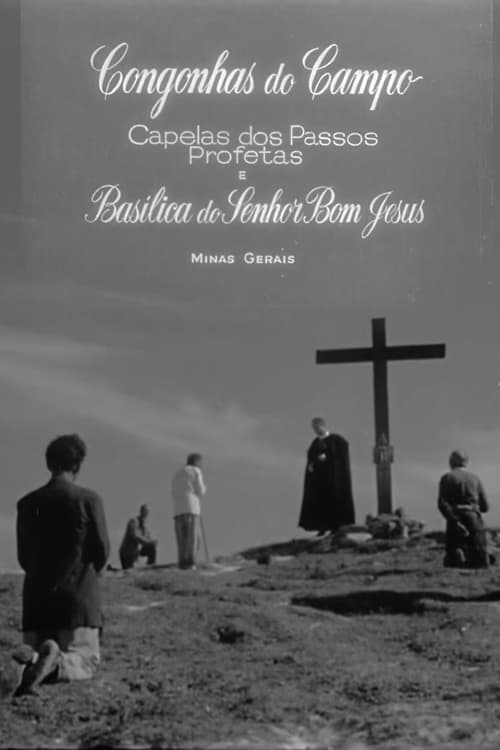
Aspects of the city of Congonhas do Campo. The preponderance of baroque architecture, the Basilica of Senhor Bom Jesus de Matozinho, the six chapels on the terrace leading to Morro do Maranhão. Each chapel contains statues representing moments of the Passion of Christ. While in the first chapel there is Santa Ceia figuration, in the second there is the Passo Horto scene. The kiss of betrayal and the imprisonment of Christ before the scene of the third chapel. In the fourth, two scenes are gathered: the coronation and the flagellation. On the fifth, the Christ bears the cross and the crucifixion is featured in the sixth chapel. The twelve apostles of Aleijadinho and the Latin inscriptions of each one. The interior of the Basilica and its main altar, with the figure of the Lord Dead.

Priests, theologians and bishops are increasingly confessing that the majority of clergy no longer keep celibacy. They condemn the institution of the church and its treatment of priests. And they refuse to obey the ecclesiastical laws imposed by the Vatican. They no longer want to keep their private lives secret. Many are calling for an end to compulsory celibacy.
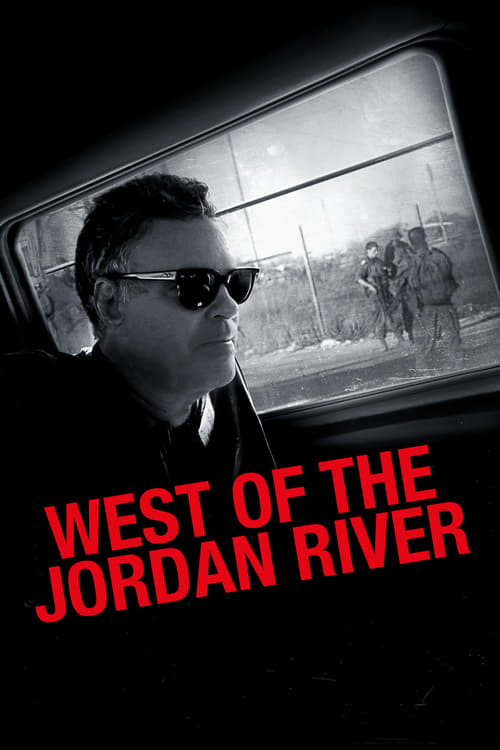
Amos Gitai returns to the occupied territories for the first time since his 1982 documentary FIELD DIARY. WEST OF THE JORDAN RIVER describes the efforts of citizens, Israelis and Palestinians, who are trying to overcome the consequences of occupation. Gitai's film shows the human ties woven by the military, human rights activists, journalists, mourning mothers and even Jewish settlers. Faced with the failure of politics to solve the occupation issue, these men and women rise and act in the name of their civic consciousness. This human energy is a proposal for long overdue change.
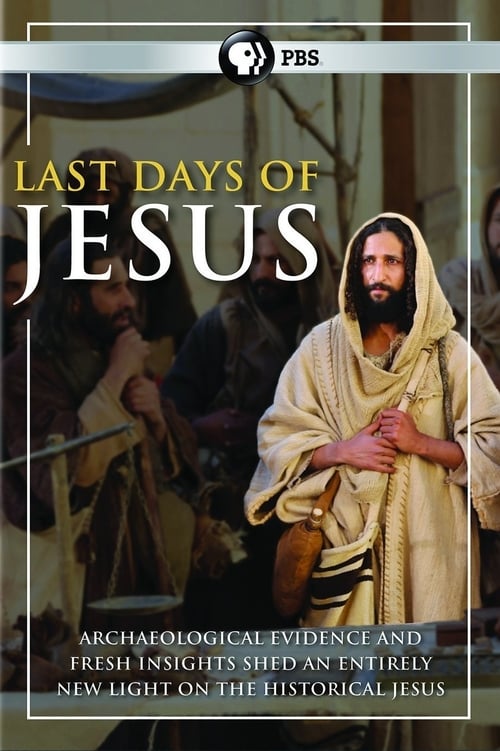
For almost two thousand years, the story of Jesus’ final days has been celebrated by Christians the world over. From Jesus’ triumphant entry into Jerusalem, through to his eventual crucifixion six days later, the key moments have been immortalized in countless films, pieces of music, and works of art. But in recent years, some historians have begun to question inconsistencies in the Gospels’ version of events. They believe that the Gospels could hide a very different story; one that casts the historical Jesus in an entirely new light. Based on a new interpretation of contemporary historical events in Rome, "Last Days of Jesus" peels back thousands of years of tradition, to explore a new political context to the events in Jerusalem. "Last Days of Jesus" explores how dramatic political events in Rome could have played a crucial role in shaping Jesus’ destiny, and examines an extraordinary political alliance that altered the course of history.
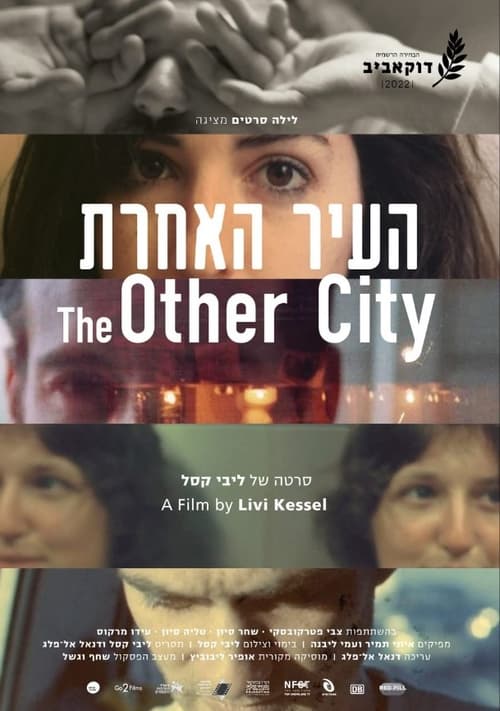
In 2007 Livi, a photography student, moves into an empty building in downtown Haifa. Just before her loneliness urges her to leave, Shahar, Zvi, Iddo and Talia move into that very building - young artists themselves. The friendship ignites in an instant and when Zvi can't pay his rent, they decide to rent a space together, half of which will be Zvi's dwelling and half - an art gallery and bar. The joint work thrives and their voice is heard across the distance, but cracks begin to show, the gallery closes and they disperse. For 12 years, Livi follows their journey to fulfill their dreams as they face the reality of livelihood difficulties, manic depression and alcoholism, unfolding both intimately and lovingly, revealing the story of five friends and their maturing process.
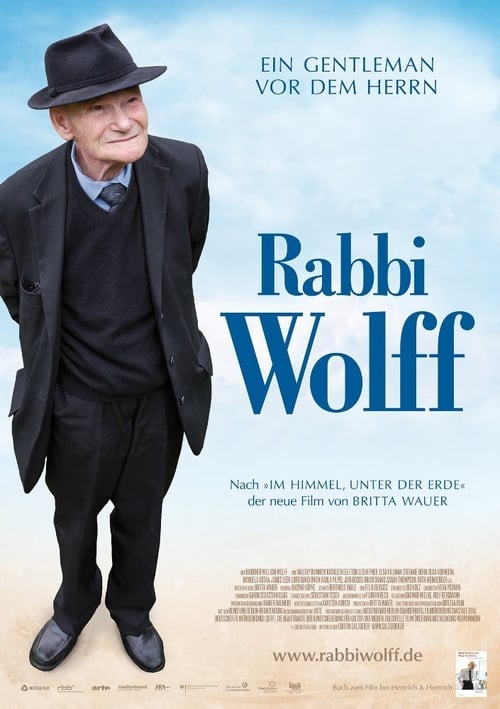
William Wolff is nearly 90 and perhaps the most unconventional rabbi in the world. As the State Rabbi of North-East Germany, he looks after the Jewish Communities in Schwerin and Rostock, but still lives in a bungalow near Henley-on-Thames. Midweek he usually flies from Heathrow to Germany. After the services on Saturdays, he either makes his way home or on a leisure city trip. His annual highlight is betting at the Horse Race of Royal Ascot and joining a fasting-retreat in Bad Pyrmont. Willy Wolff leads a Jet-Set-Life, which he actually cannot afford, but dealing with money isn't one of his strengths. Naturally, that occasionally leads to quite temporal conflicts. Rabbi Wolff is the portrait of a fascinating character, a deeply religious man who, blessed with a tremendous joie de vivre, defies all conventions. More than that, it gives insight into the world of Judaism and introduces us to a uniquely German biography.
Bob Cornuke sets sail on a new adventure in the Mediterranean Sea to the island of Malta in search of the ancient lead anchors from the shipwreck of the apostle Paul. Using the words of Acts 27 from the Bible and techniques he learned as a police officer and crime scene investigator, Cornuke probes every angle of this 2,000-year-old mystery to prove the historical accuracy of God's Word and determine if the anchors originally found by Maltese fishermen in the 1960s and early 1970s are indeed remnants of Paul's misadventure at sea.