Loading titles…
Documentary
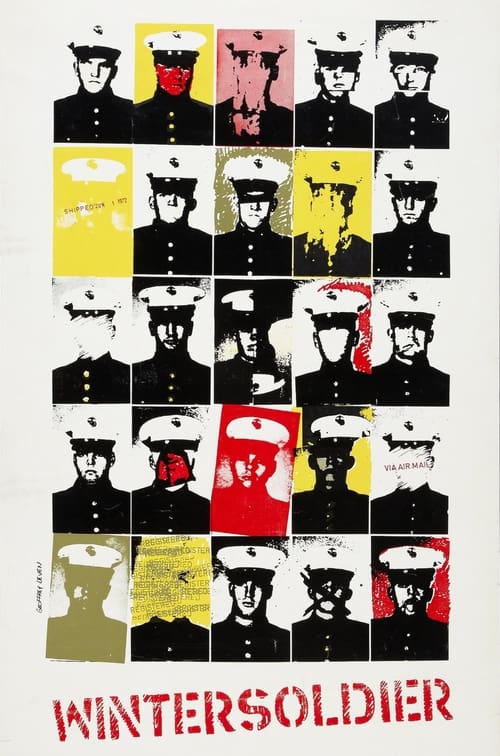
For three days in 1971, former US soldiers who were in Vietnam testify in Detroit about their war experiences. Nearly 30 speak, describing atrocities personally committed or witnessed, telling of inaccurate body counts, and recounting the process of destroying a village.
Self
Self
Self
Self
Self

Self
Self
Self
Self
Self
Self
Self
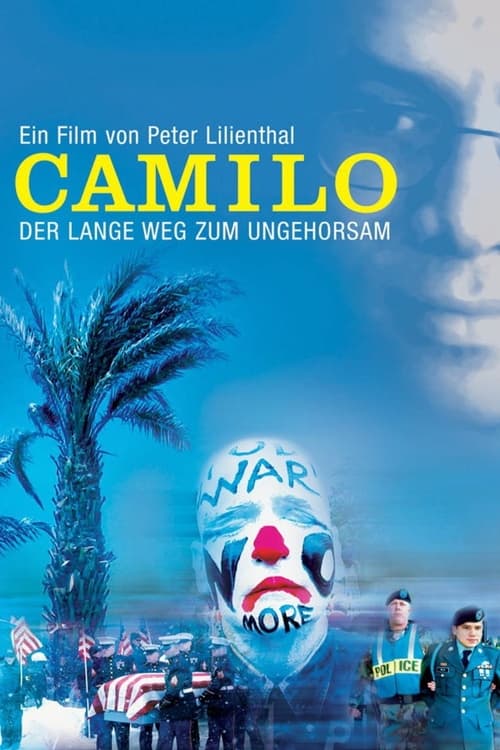
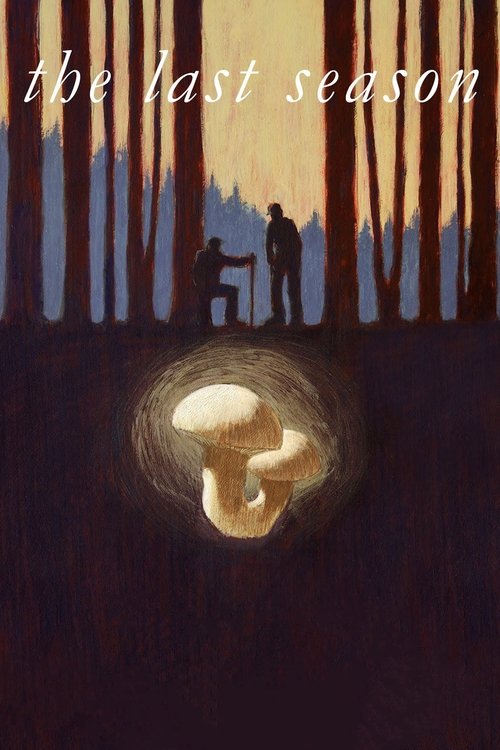
In search of the lucrative matsutake mushroom, two former soldiers discover the means to gradually heal their wounds of war. Roger, a self-described 'fall-down drunk' and sniper in Vietnam, and Kouy, a Cambodian refugee who fought the Khmer Rouge, bonded in the bustling tent-city known as Mushroom Camp, which pops up each autumn in the Oregon woods. Their friendship became an adoptive family; according to a Cambodian custom, if you lose your family like Kouy, you must rebuilt it anew. Now, however, this new family could be lost. Roger's health is declining and trauma flashbacks rack his mind; Kouy gently aids his family before the snow falls and the hunting season ends, signaling his time to leave.
Short propaganda film produced by the U.S. government about the Vietnam War, narrated by actor Charlton Heston. The movie includes scenes of battle that have been identified as staged and shouldn't be interpreted as an accurate depiction of fighting during the Vietnam War. For more on the accuracy of the footage in this film see the book "The Cold War and the United States Information Agency: American Propaganda and Diplomacy, 1945-1989" by Nicholas J. Cull (pages 248-49). This film was produced by the U.S. Information Agency (USIA) and is in the public domain. National Archives Identifier: 1182760 Local Identifier: 306.5798 Accession Number: NC3-306-77-7 ARC Identifier: 1182760 https://catalog.archives.gov/id/1182760
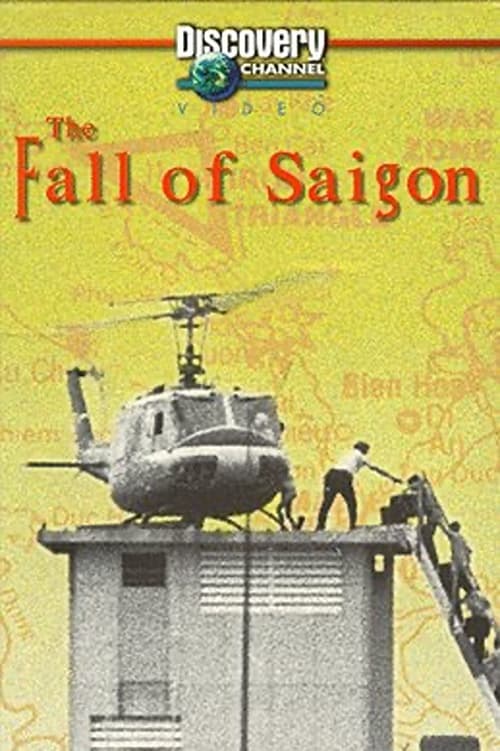
In April 1975 -- despite a ceasefire agreement -- the North Vietnamese communists took Saigon and the world by surprise, mounting an offensive that ousted the South Vietnamese government. This enlightening documentary recounts the last two years of America's military engagement in the country and the U.S. role in Saigon's fall. Interviews with former National Security Adviser Henry Kissinger and North Vietnamese officers provide context.
"From Mexico to Vietnam: A Chicano Story" is an inspiring documentary that chronicles the life of Jesus S. Duran, a Mexican immigrant who became a decorated U.S. Army soldier during the Vietnam War. Born in Juarez, Mexico, Duran moved to the United States as a child and enlisted in the Army in 1968. On April 10, 1969, while serving as an M-60 machine gunner with Company E, 2nd Battalion, 5th Cavalry, 1st Cavalry Division (Airmobile), he displayed extraordinary bravery by rescuing several wounded comrades during an intense enemy ambush in Tay Ninh, Vietnam. His valorous actions led to a posthumous Medal of Honor by President Barack Obama. Directed by Andrés Gallegos, the film delves into Duran's personal journey, his family's migration from Mexico, and the broader impact of the Vietnam War on the Chicano and Latino communities.

From bombers to jet fighters, the United States relied heavily on its powerful air force during the Vietnam War. Through amazing archival footage, this program explores the types of U.S. aircraft used in combat and the impact they had on the war. Because the Vietnam War was the most-filmed war in history, there's plenty of excellent footage allowing viewers to experience dangerous missions almost firsthand.
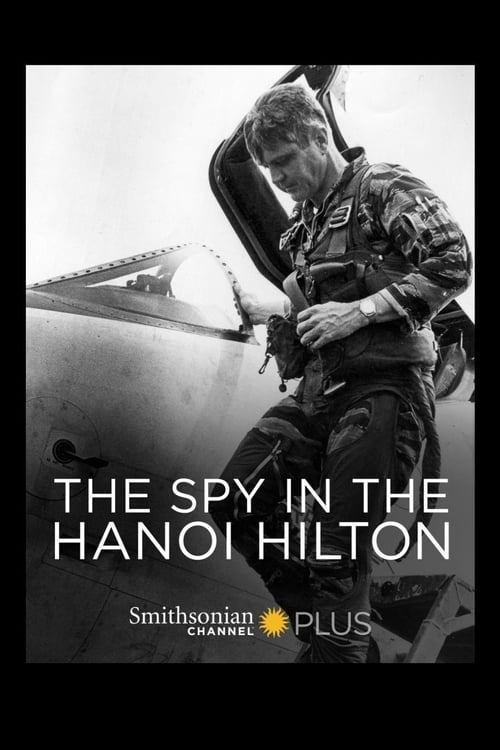
In 1973, 591 American POWs returned home from the Vietnam War, bringing with them harrowing tales of survival. But there was an even more remarkable -- and secret -- story to tell: a feat of incredible spycraft that remained classified for decades...until now. This is the unbelievable story of James Stockdale and his fellow prisoners at the notorious "Hanoi Hilton." Their clandestine communications with U.S. intelligence alerted the CIA and Pentagon to the horrors of the Vietnamese POW camps and prompted a daring, top-secret rescue mission.