Loading titles…
Durita

Andrea
In the Second World War, probably in a concentration camp somewhere, Gary Sinise is a soldier who conducts Jews everyday to some place where only clothes come back, under the eyes of an young prisoner boy (Elijah Wood). This witness disturbs the soldier, driving the story to a tragic and sad end and a new beginning.

Phyllis is a moving and atmospheric portrait of a ‘psychic’ vampire, a woman obsessed with synthetic Nollywood dramas, that lives alone in Lagos, Nigeria. The central idea of this short experimental film is the practise and significance of wig-wearing in Nollywood film; a practise the director has invested with deeper psychological as well as science-fiction layers. Underpinning this central idea however is a critique of the unforgiving treatment of single women in Nollywood and Nigeria. The film is an example of what the director, Zina Saro-Wiwa, has termed “alt-Nollywood”, a genre that plays with and reworks certain narrative, stylistic and visual conventions of Nollywood. Phyllis explores the gothic possibilities of the Nollywood aesthetic creating a new kind of low-budget atmospheric film that is very much of Nollywood and yet subverts the genre. Using Nollywood to subvert Nollywood.

The surrealist film shows repetitive imagery involving a string fashioned in a bizarre, almost spiderweb-like pattern over the hands of several individuals, most notably an unnamed young woman and an elderly gentleman. The film also shows a shadowy darkness and people filmed at odd angles, an exposed human heart, and other occult symbols and ritualistic imagery which evokes an unsettling and dream-like aura. Considered an unfinished film.

Inspired by the 1928 experimental film by Robert Florey and Slavko Vorkapich, The Life and Death of 9413, a Hollywood Extra, this amateur short is the story of a man who spends his entire life under the thumb of anonymous bureaucrats. The titular seal adorns everything in life, from birth to death, in a criticism of bureaucracy and power over the individual, in a film that makes stylistic references to silent cinema.

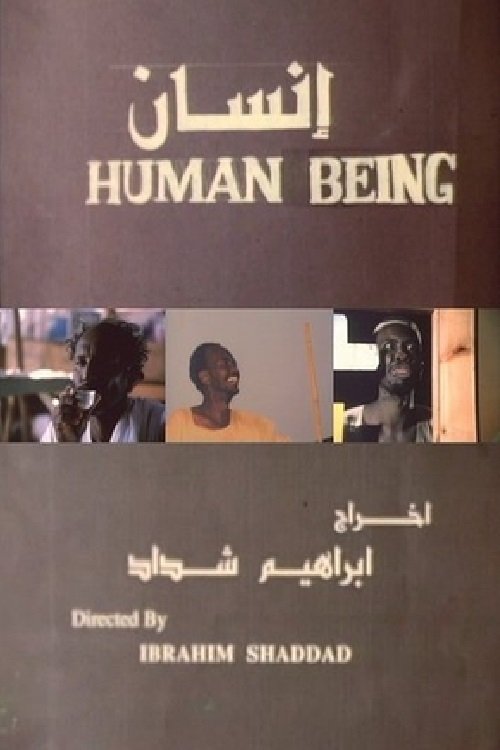
Sudanese filmmaker Ibrahim Shaddad provides a dramatic and powerful account of the trials and tribulations of a Sudanese villager in a large alien city. Shot entirely without dialogue, the film's innovative use of sound helps tell the story of a shepherd who leaves his wife and herd to settle in a nearby town. Since its premiere at the Alexandria Film Festival, Human Being (إنسان / Insan) has been shown in a number of festivals in the Middle East and Europe. This film is a prime example of experimental Arab cinema.