Loading titles…
Documentary
Documentary which tells the story of a group of men and women who risked their lives to rescue a library - and preserve a nation's history - in the midst of the Bosnian war. Amid bullets and bombs and under fire from shells and snipers, this handful of passionate book-lovers…
No cast information available.
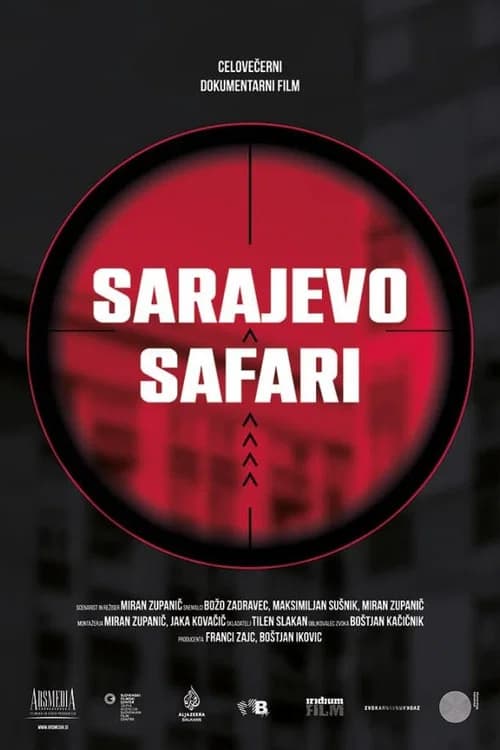
Among the many dramatic episodes of the siege of Sarajevo in the years 1992 to 1996, the story of a human safari has remained concealed from the public eye. Few people knew that those fighting the war on the Serbian side were not only the Bosnian Serb Army, volunteers and mercenaries but also a small, clandestine group: wealthy foreigners who paid high fees for the chance to shoot at the residents of the city under siege.


Lord Baden-Powell's 1908 handbook Scouting for Boys is one of the most influential and best-selling books of all time. In the 20th century, only the Bible, the Koran and the Thoughts of Chairman Mao sold more. But they had fewer jokes, no pictures and were useless at important stuff like tying knots. In this entertaining and affectionate film, Ian Hislop uncovers the story behind the book which kick-started the Scout Movement - a work which is very eccentric, very Edwardian and very English. Hislop discovers that the book is also very radical and addresses a variety of modern issues, such as citizenship, disaffected youth and social responsibility. He explores the maverick brilliance of Baden-Powell, a national celebrity after his heroism in the Boer War, and considers the book's candid focus on health and well-being.

The Feminist Library: A Short Film was made in support of the Save the Feminist Library Campaign, documenting a crucial moment in the library's herstory as it fights for its very survival. Shortlisted for the Women's History Network Community Prize, the film revisits the story of the library's inception and emphasises why feminism remains essential today.
Besides presenting an actual exhibition, this film about a Monument of National Literatuře also presents an interpretation of the history of Czech literature that was subject to the mores of that time. It looks at the exhibition chronologically, it comments on documents from the beginnings of the national literature up to the 1950s, emphasises the importance of the relationship of the present time with the national cultural tradition. It labels the museum itself as a “people’s university” and draws attention to its educational role.