Lillian Schwartz
Self - Narrator (voice)
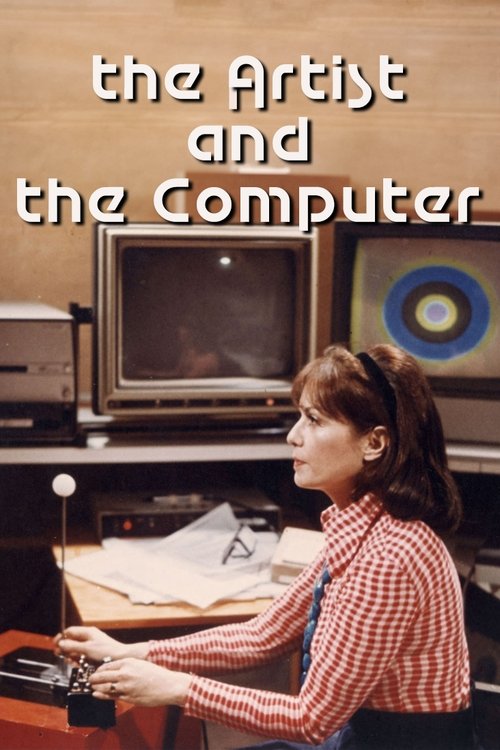
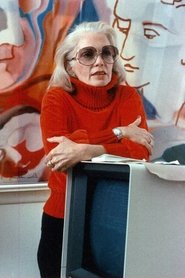
Pioneering artist Lillian Schwartz demonstrates the human input -- integrity, artistic sensibilities, and aesthetics -- that goes into producing early computer art. In voice-over she explains the intent behind a number of her films and offers insight into the artist's problems…
Self - Narrator (voice)

The Boyg is the voice within that whispers go around, preventing you from facing yourself, suffocating progress and initiative. A six minute visual and musical remix of Ibsens Peer Gynt, Norwegian Folklore, Edvard Griegs composition, paralyzing panic attacks and The Great Boyg itself who finds us all.

The animation, music, and optical printing of Kitsch in Synch was produced by Beckett and the students in two classes he was teaching at CalArts. Although a group project, it is clear that Beckett was the director. The playful, catchy soundtrack is used to create a cycle of building tension and release. The brightly colored shapes create approximate symmetrical formations and become more densely layered, with glimpses of iconographic objects and even live footage near the end. Preserved by the Academy Film Archive, in partnership with the iotaCenter, in 2007.
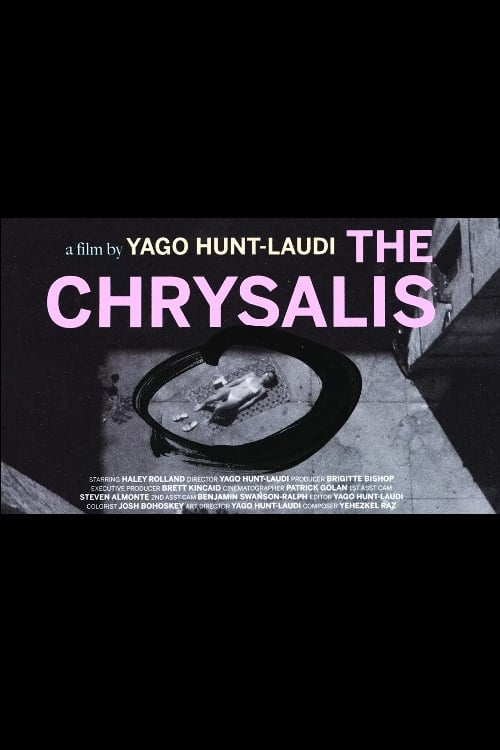
“Sex work. The phrase evokes so much emotion, yet we understand it so poorly,” rising director Yago Hunt-Laudi wrote on an Instagram post celebrating the premiere of his new film, The Chrysalis. In this documentary profile, he paints an intimate portrait of stripper Haley Rolland, a young woman from Missouri who speaks about taking control of her body and the difficulties she encountered during the pandemic.
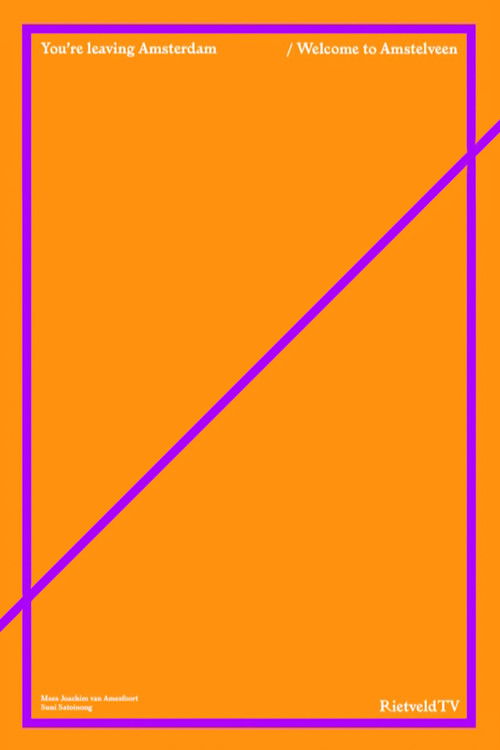
A short documentary film functioning as the introduction to the One Minutes x Inter-Architecture Department (Gerrit Rietveld Academy) short-film broadcast episode for Rietveld TV, as aired on SALTO. This broadcast was meant to give an artistic impression of a communal art-project developed by the Inter-Architecture Department for the municipality of Amstelveen, The Netherlands. This short documentary film introduces each duo placed and posing at their respective project-based locations, spread out over Amstelveen, through purposely awkward still-but-moving vignettes. The duo's are reintroduced several times in quick succession, with each consecutive appearance showing more of an awkward inter-personality, meant to evoke a certain liminal playfulness. An overpass, a bridge, a bridge-barrier, a docking port, the border between Amsterdam and Amstelveen, the edges of Amsterdamse Bos, an abandoned railroad.

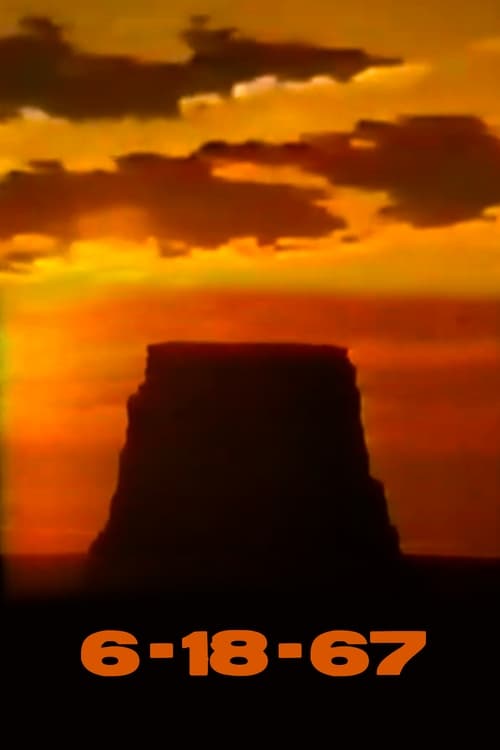
Filmed during the production of the Columbia Pictures western "Mackenna’s Gold," this short work presents a non-narrative visual study of the Arizona desert. Rather than documenting the film set itself, "6-18-67" assembles landscape images, time-lapse photography, and ambient sound into an abstract record of place and duration.
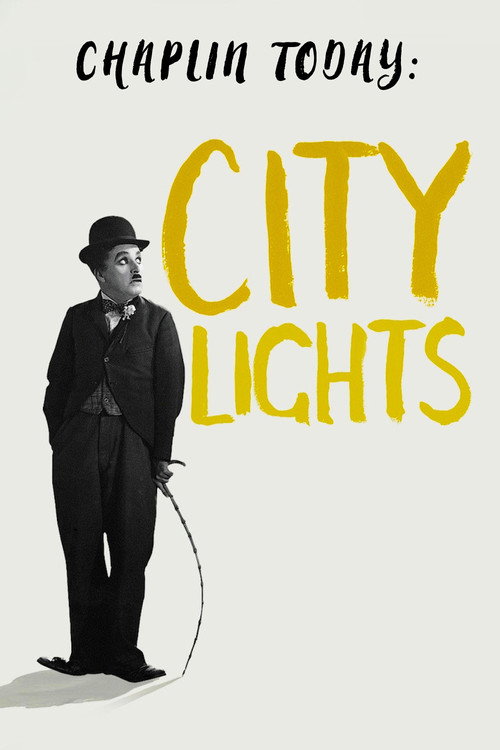
In 1928, as the talkies threw the film industry and film language into turmoil, Chaplin decided that his Tramp character would not be heard. City Lights would not be a talking picture, but it would have a soundtrack. Chaplin personally composed a musical score and sound effects for the picture. With Peter Lord, the famous co-creator of Chicken Run and Wallace & Gromit, we see how Chaplin became the king of slapstick comedy and the superstar of the movies.
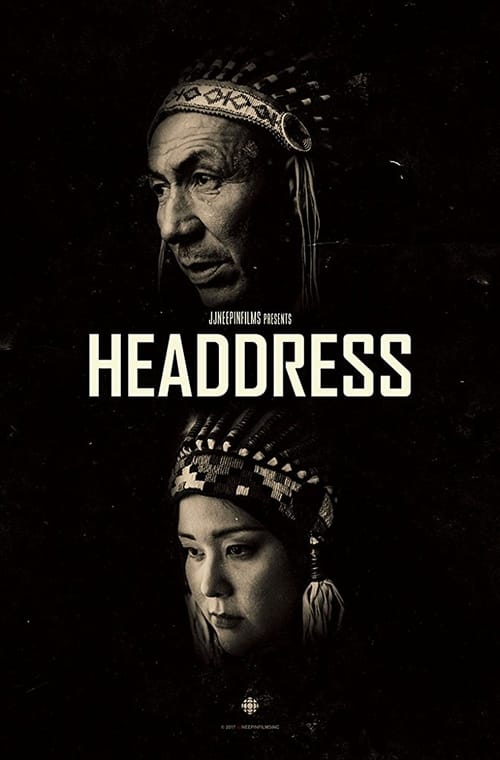
For First Nations communities, the headdress bears significant meaning. It's a powerful symbol of hard-earned leadership and responsibility. As filmmaker JJ Neepin prepares to wear her grandfather's headdress for a photo shoot she reflects on lessons learned and the thoughtless ways in which the tradition has been misappropriated.