Loading titles…
Documentary
We live in a new age. We are always rushing, rushing for no reason, rushing for nothing. As though time had sped up. Everything implies speed, urgency. But ultimately, why does time seem so short? This film is about the director’s conflict about time and the lack of it in…
Himself
Himself
Himself
Himself
Himself
Himself
Himself
Himself
Himself
Himself
Himself
Himself
Throughout the Islamic world, each year hundreds of women are shot, stabbed, strangled or burned to death by male relatives because they are thought to have “dishonoured” their families. They may have lost their virginity, refused an arranged marriage or left an abusive husband. Even if a woman is raped or merely the victim of gossip, she must pay the price. Crimes of Honour documents the terrible reality of femicide – the belief that a girl’s body is the property of the family, and any suggestion of sexual impropriety must be cleansed with her blood. We meet women in hiding from their families, a brother who describes his reasons for killing the sister he loved, and a handful of women who have committed themselves to the protection of young women in danger of losing their lives.
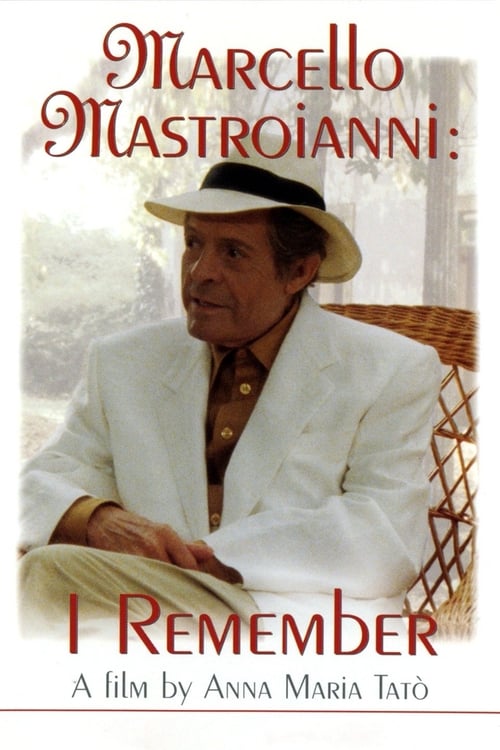
In 1996, Marcello Mastroianni talks about life as an actor. It's an anecdotal and philosophical memoir, moving from topic to topic, fully conscious of a man "of a certain age" looking back. He tells stories about Fellini and De Sica's direction, of using irony in performances, of constantly working (an actor tries to find himself in characters). He's diffident about prizes, celebrates Rome and Paris, salutes Naples and its people. He answers the question, why make bad films; recalls his father and grandfather, carpenters, his mother, deaf in her old age, and his brother, a film editor; he's modest about his looks. In repose, time's swift passage holds Mastroianni inward gaze.
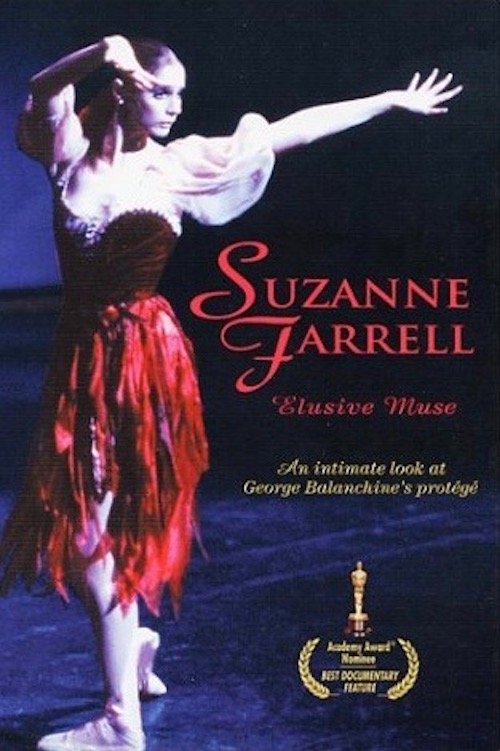
She came to the New York City Ballet as a teenager from Ohio and captured the heart and soul of the great Mr. B, inspiring the seminal ballets of her era and setting off a star-crossed love triangle as fevered and bizarre as anything in THE RED SHOES. As the greatest ballerina of her time looks back on her amazing career in Anne Belle and Deborah Dickson's intimate portrait, the on-stage triumphs and backstage turmoil come to vivid life.
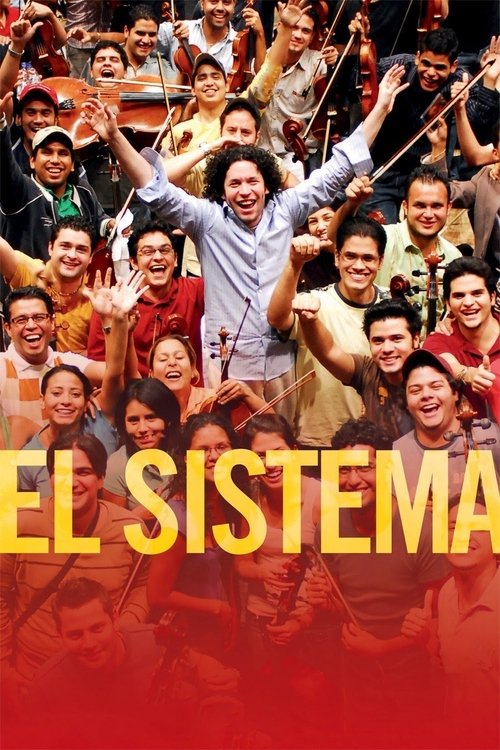
El Sistema is a network of childrens and youth orchestras, music centres and workshops in Venezuela, in which more than 250,000 children and young people are currently learning to play an instrument. It was set up over thirty years ago by José Antonio Abreu, who was driven by the utopian vision of a better future. In the dangerous and poverty-stricken shanty towns of Caracas, Abreu lifts children out of poverty through music, changing both people and structures. The film El Sistema shows how Abreus astonishing ideas have led the way out of the vicious circle of poverty - and how the power of music has been able to change the lives of hundreds of thousands of young people.
A blending of documentary and experimental narrative strategies, combining stunning 16mm landscape cinematography with a bold, lyrical voice-over to share two San Francisco stories: the history of the Golden Gate Bridge as “suicide landmark,” and the story of a butch dyke in San Francisco searching for love and self-discovery. The Joy of Life is a film about landscapes, both physical and emotional.
Melissa Johnson hit 6'4" tall in 8th grade. Although this made her an instant basketball star, LOVE IN THE TIME OF MARCH MADNESS explores her hilarious and awkward true-life misadventures in romance as she dates shorter men and gets cheered or jeered wherever she goes. Blazing with honesty and dark humor, this animated 'tall short' about embracing difference is certain to disarm and delight.