

Loading titles…
Drama / Thriller / Comedy
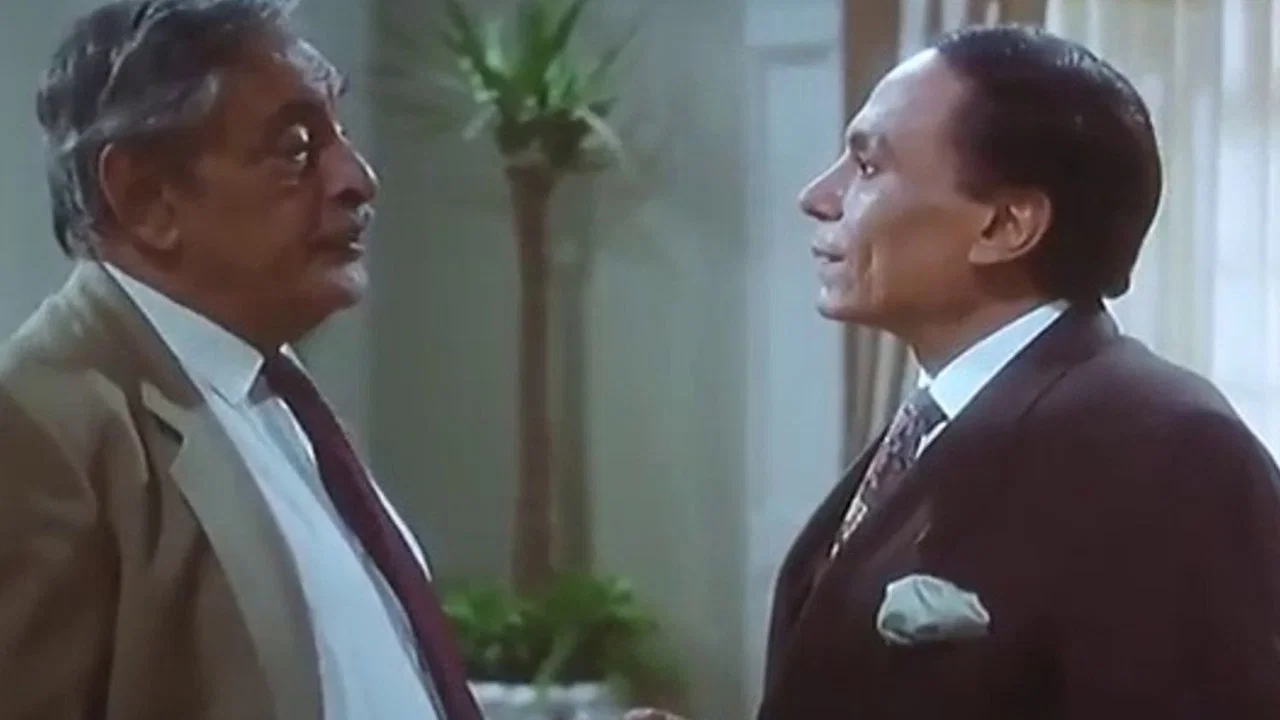
Three lawyers, brought by friendship but separated by interests, Fathi Nofal, who turns from a committed lawyer to an opportunist, while Ali al-Zanati joins religious extremist groups to make financial gains , and the third Mohsen only works as a simple employee away from…


فتحي نوفل

علي الزناتي

سميرة

محسن

الوزير / رشدي الخيال

فاروق حسونة

terrorist

شوكت

Cast

فايزة

judge

Fathi’s lawyer’s assistant

The events revolve around three eras: the Pharaonic era, the Mamluk era, and the first half of the 20th century. The events revolve around corruption and the power of some clerics over the ages to power and false and bad dealings with the people, and how to involve religion in politics in order to obtain positions. That there are clerics deliberately coloring and counterfeiting in this period of time to be the strongest and maintain their positions.
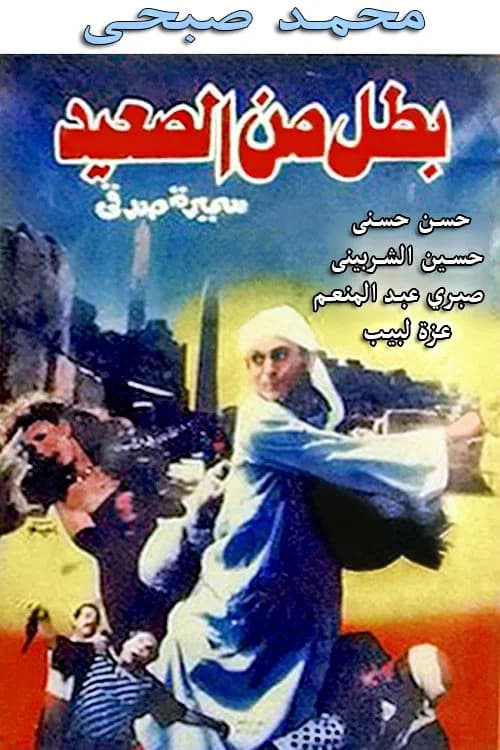

The film is an adaptation of a novel by Ismåeel Walieddin. The main character, Ahmad, leaves rural eastern Egypt for the city hoping to become economically self-sufficient, gets an apartment for his parents, and obtains a law degree. He and his family are refugees from a town occupied by the Israeli army, Ismaåilia. Ali, the owner of the Malatily Bathhouse, offers to let him stay there for free. Ahmad encounters several characters there, including Naåeema, a prostitute who he becomes obsessed with, and Raouf, a homosexual man.

Four people from an Arab generation roaming over the ruins of ideologies, causes and virtues of their predecessors. It portrays their intellectual and emotional nonchalance about what is happening around them in their daily lives and relationships. In a house whose architecture is a sixties' experiment in mixing modern and Islamic architecture, a stone and concrete cube suspended over a rocky shore bashed by the waves of the Mediterranean, by famed Iraqi architect Refaat Chaderji, we spend a night with four characters whose non-stop conversations and peculiar actions reflect the void and chaos they are living in.


Mansoor, a 16 year-old teenager, living in a coastal "freej" (an Emirati neighborhood), has strong feelings for 16 year-old girl Kaltham. But culture and tradition, as well as family hardship, make it difficult for him to express his feelings. A conversation with his "know-it-all" friend convinces him that a gift is the best way to express love, and so, he begins to look for ways to save money for the gift without arousing the suspicion of his family and friends.


The film is an Egyptian adaptation of a play by Marcel Pagnol, transposed into an Egyptian and Arab context. It follows the story of a shy, naive professor who allows himself to be exploited by an aristocrat or influential figures—depending on the interpretation—in a gambling scheme or a con. As the plot unfolds, the professor undergoes a moral transformation, coming to accept and eventually adopt behaviors that were initially alien to his nature. The narrative explores two central themes: the temptation of corruption and the clash of cultural codes—specifically between Western culture and the Arab/Cairene society depicted in the film.

