
Loading titles…
Music
Japan, early twentieth century. U.S. Navy Lieutenant B.F. Pinkerton inspects the house he has leased from a marriage broker. The broker, Goro, has procured him three servants and a geisha wife, Cio-Cio-San, known as Madama Butterfly. He is enchanted with the fragile Cio-Cio-San.…
Kate Pinkerton
Goro, a matchmaker
Cio-Cio-san (Madama Butterfly)
Suzuki, her maid
B. F. Pinkerton, Lieutenant in the United States Navy
Sharpless, United States consul at Nagasaki
The Bonze, Cio-Cio-san's uncle
Prince Yamadori
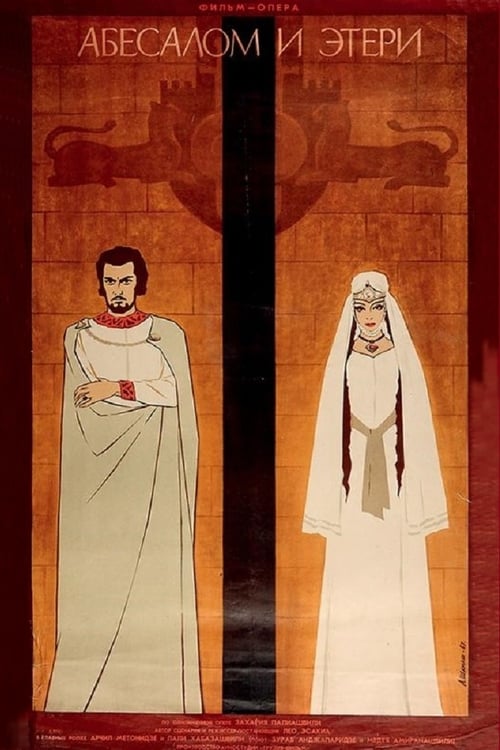
Prince Abesalom runs into an orphaned Eteri while hunting, falls for her and brings the woman to his palace as his fiancé. The Prince’s aid Murman loses his self-control at Eteri’s beauty and gives her a spelled necklace as a wedding gift. Eteri contracts a mysterious disease that only Murman is capable to heal.
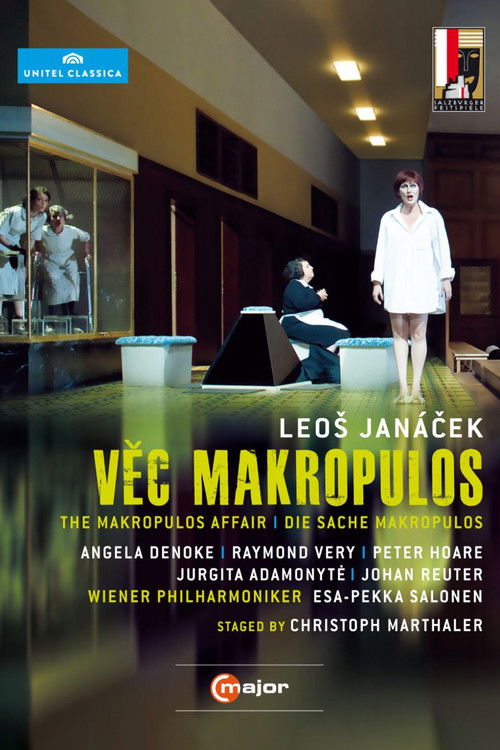
Premiered in 1926, Leoš Janáček’s absorbing masterpiece Veˇc Makropulos reflects all the dominant musical styles of the early 20th century, from Bohemian tunefulness to big Straussian phrases, Berg-like jaggedness and primeval rhythms. With the “breathtakingly grandiose” (Salzburger Nachrichten) Angela Denoke in the lead role, this emotionallypowerful opera was given superior treatment at the hands of the Wiener Philharmoniker under Esa-Pekka Salonen. Recorded live at the Salzburger Festspiele on 8 & 30 August 2011. Angela Denoke stars as Emilia Marty, with Raymond Very as Albert Gregor, Peter Hoare as Vitek, Jurgita Adamonyté as Krista, and Johan Reuter as Jaroslav Prus. Esa-Pekka Salonen conducts the Wiener Philharmoniker.
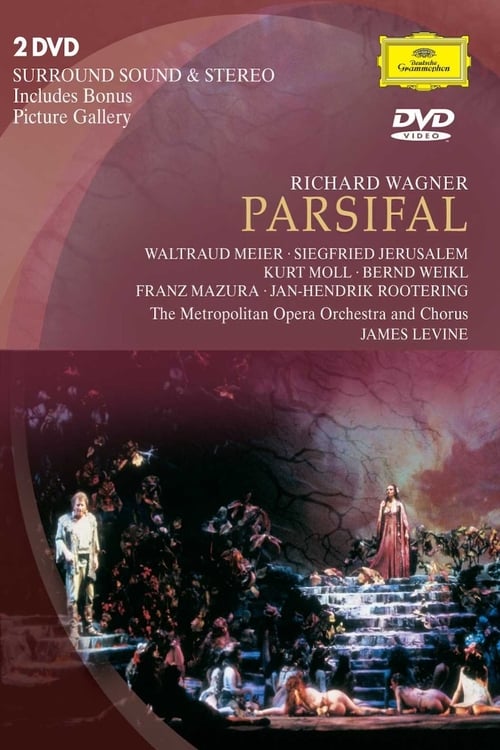
The Met production easily has the most beautiful staging, designed by Otto Schenck, who also produced the fabulous set for the Met's previous Ring cycle. Kurt Moll is a wonderful Gurnemanz, but compared to his studio recording under Karajan a decade earlier it has lost some of its original velvety body and luster. As Parsifal, Jerusalem is starting to show some wear and tear on his voice at the Met in 1992 as opposed to his prime form at Bayreuth in 1981, but is still quite good; only Placido Domingo could compete with him in the role at that time.
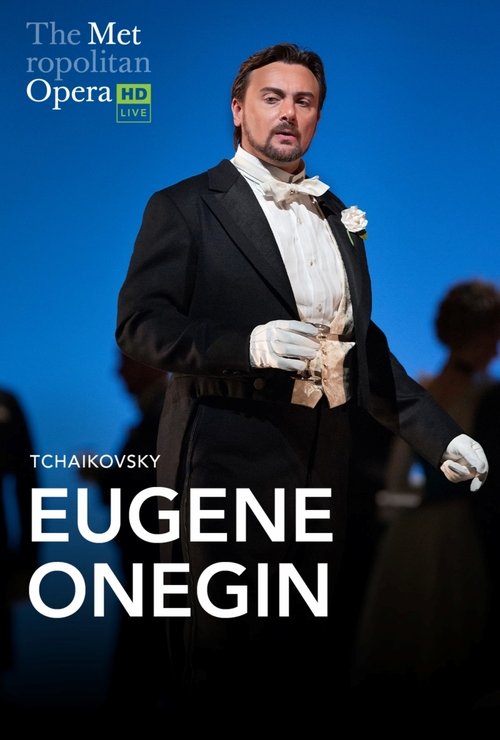
Tchaikovsky’s many moods—tender, grand, melancholy—are all given free rein in Eugene Onegin. The opera is based on Pushkin’s iconic verse novel, which reimagines the Byronic romantic anti-hero as the definitive bored Russian aristocrat caught between convention and ennui; Tchaikovsky, similarly, took Western European operatic forms and transformed them into an authentic and undeniably Russian work. At the core of the opera is the young girl Tatiana, who grows from a sentimental adolescent into a complete woman in one of the operatic stage’s most convincing character developments.
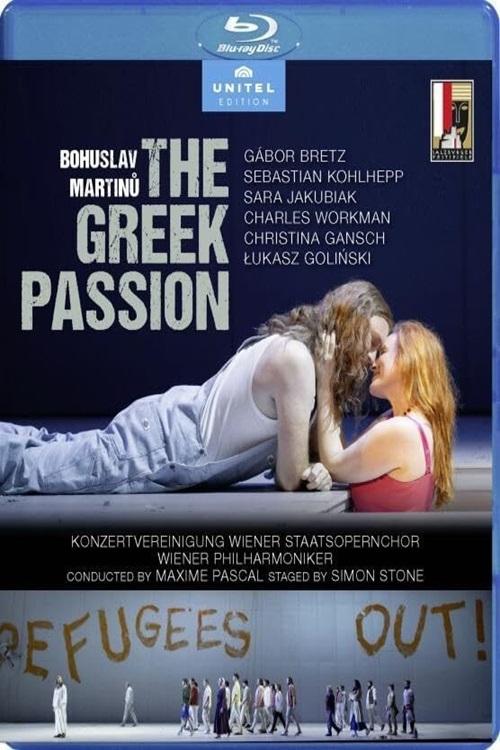
Bohuslav Martinů's Greek Passion, which outlines a serious, very topical problem today, which is the position of refugees in a foreign, often hostile environment, is among the composer's most important works in terms of both ideology and art. The English libretto was based on the novel "Christ Recrucified" (1951) by the Greek writer Nikos Kazantzakis, which takes place in the first decades of the 20th century in the harsh Greek countryside.
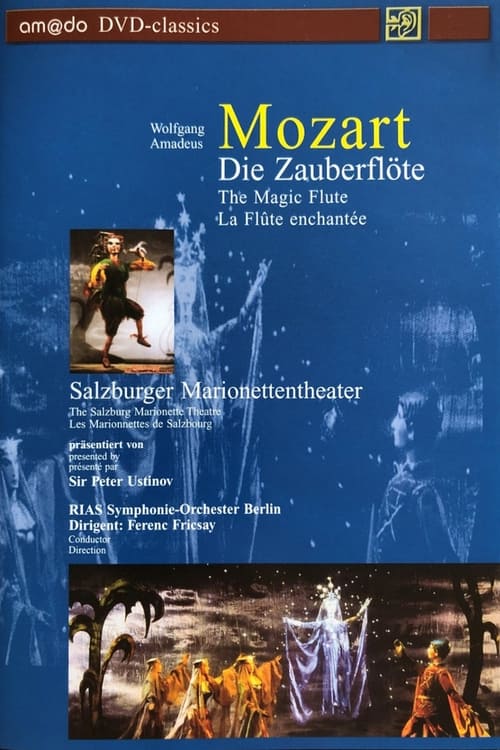
The Queen of the Night has begged Prince Tamino to free her daughter Pamina from the clutches of the High Priest Sarastro, who has abducted her. Together with the bird-catcher Papageno, Tamino enters Sarastro's realm to seek her. When he finds her, the two fall in love, but they have to have to undergo ordeals before they can be together. At the end, Papageno is also rewarded with his Papagena.
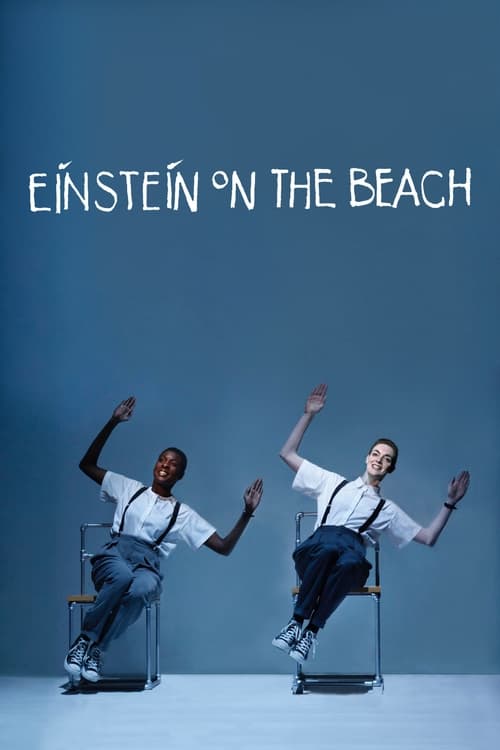
This seminal work of avant-garde opera from composer Philip Glass and director Robert Wilson arrives full-circle, coming to France, the site of its 1976 Avignon Festival world premiere, at the tail end of this 2014 revival tour for a landmark Theâtre du Châtelet production and a first ever filming by award-winning arts filmmaker Don Kent. Eschewing conventional narrative, the opera revolves loosely around pacifist Einstein’s relationship to the creation of the atomic bomb.
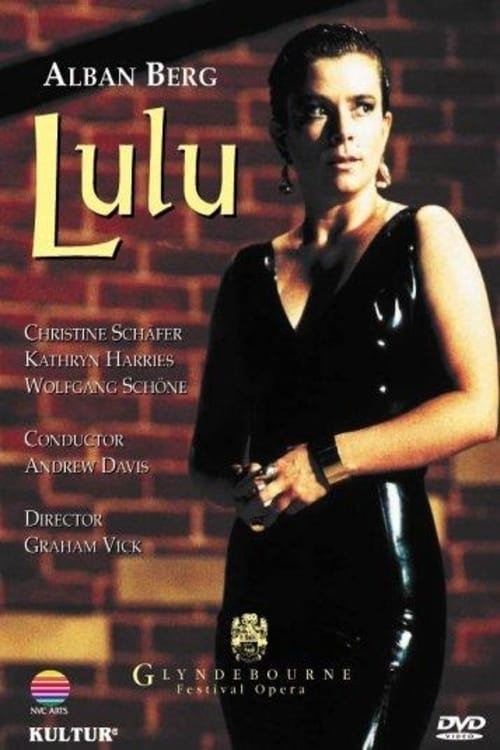
Alban Berg's black, satirical opera is one of the masterpieces of the 20th Century. It charts the rise and fall of a femme fatale "created to make trouble", from life as a society hostess to prostitution and eventual bloody death at the hands of Jack the Ripper. Berg's score is intensely beautiful, and the rich characterisation brilliantly executed.
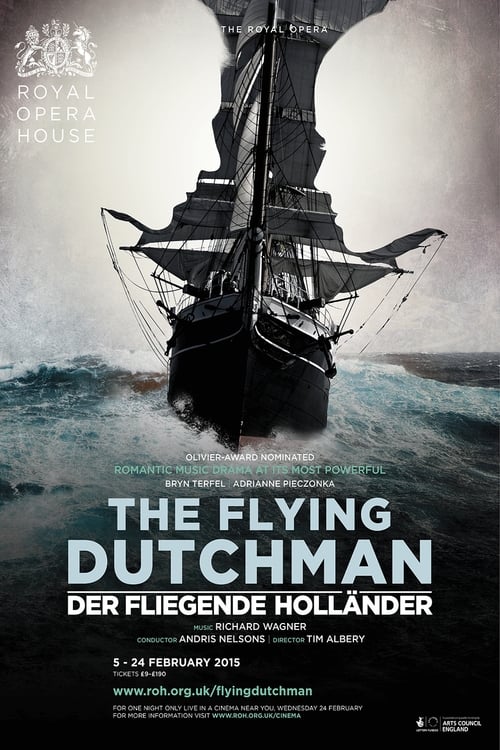
Tim Albery's Olivier-nominated production for The Royal Opera delves deep into the psychology of Wagner's cursed wanderer and his beloved Senta, detailing the monomania and uncompromising idealism that finally drives them apart. Michael Levine's elemental single set is dominated by a rolling metal hull that represents the Dutchman's phantom ship, the poverty of Senta's home and the treacherous sea.
The Imperial Commissioner
The Official Registrar
Cio-Cio-san's mother
The cousin