Loading titles…
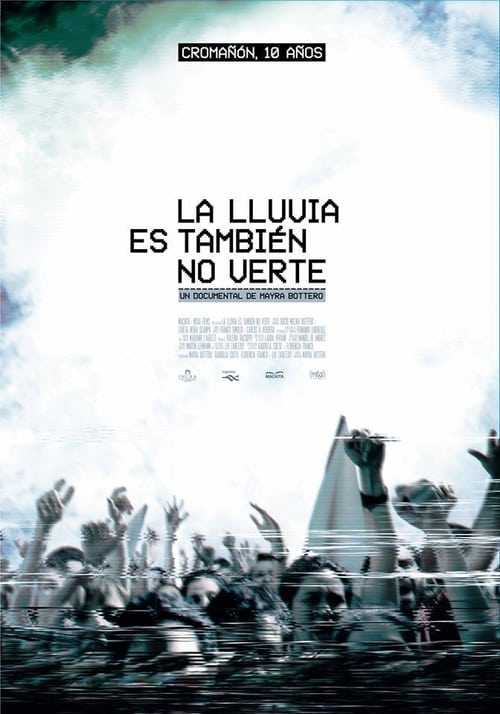
Ten years ago, horror came about in Buenos Aires. During a rock concert in a nightclub, 194 people died in what is known as the tragedy of Cromañón. Since then, survivors together with the victims' relatives and acquaintances began to go through a long and intricate journey…
No cast information available.


Celebrated Chinese couturier Guo Pei is perhaps best known for designing the brilliant gold gown Rihanna wore to the Met Ball in 2015. But Guo’s quest to be recognized by the gatekeepers of Paris haute couture goes beyond the red carpet and taps into global power dynamics and the perpetual tension between art and commerce.
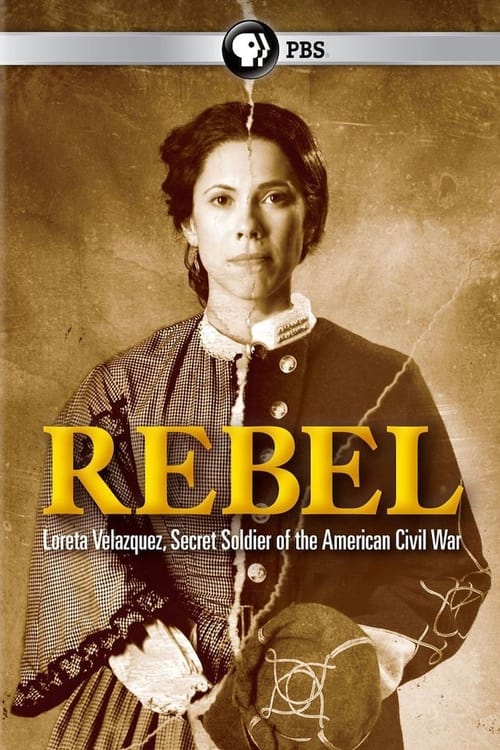
Shrouded in mystery and long the subject of debate, the amazing story of Loreta Velazquez is one of the Civil War’s most gripping forgotten narratives. While the U.S. military may have recently lifted the ban on women in combat, Loreta Janeta Velazquez, a Cuban immigrant from New Orleans, was fighting in battle 150 years ago — one of an estimated 1,000 women who secretly served as soldiers during the American Civil War. Who was she? Why did she fight? And what made her so dangerous she has been virtually erased from history?
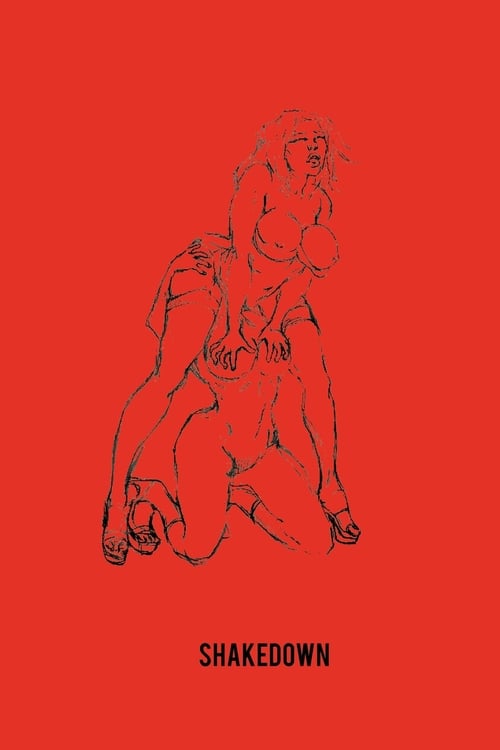
‘Shakedown’ was a series of parties founded by and for African American women in Los Angeles that featured go-go dancing and strip shows for the city’s lesbian underground scene. Inspired by trans woman Mahogany who, as the mother of the scene, presided over queer strip shows and balls for non-heterosexual audiences in the 1980s, butch Ronnie Ron created, produced and presented the new shows. In them, the largely female clientele from the ‘hood’ slipped dollar notes into lap dancers’ panties while celebrating lesbian sexuality to pulsating hip-hop beats.
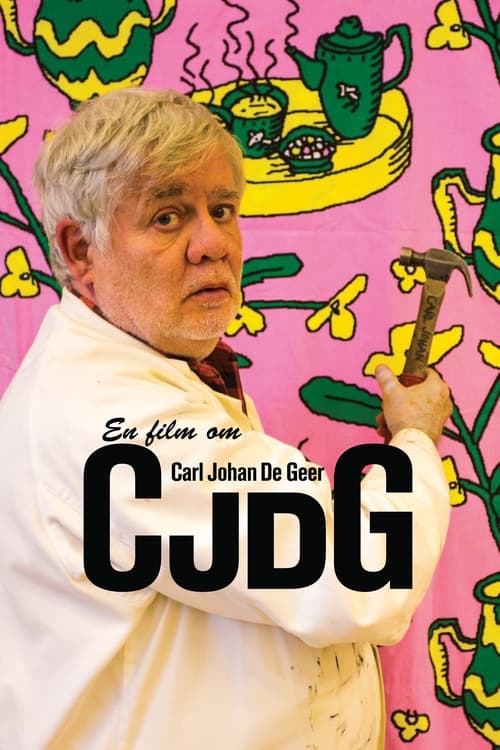
During his five decades as an artist, Carl Johan De Geer has playfully leaped between genres and art forms such as painting, children's television and literature. All of it with a powerful political commitment and a large measure of absurdism. In CJDG, we follow his work on exhibitions in New York as well as Stockholm.
Arrows uses a combination of live action and rostrum work to communicate the experience of anorexia and to analyse the cultural causes of the condition. 'I am so aware of my body', we are told on the soundtrack, whilst images of caged wild birds are intercut with images of the rib cage of the film's subject, the film-maker herself. The pressures placed upon women to be thin are articulated by an account of a new technique for surgical removal of fat. Once again, a woman who does not conform to male expectations in terms of her body-shape is classified as sick, in need of surgery. The constantly recurring motif of cages, bars and railway lines reiterates the feeling of entrapment throughout the film. Yet, taking the camera into her own hands, and revealing this process to the spectator by using a mirror, the film-maker shows herself in control of this representation of a woman's body.