Loading titles…
No cast information available.
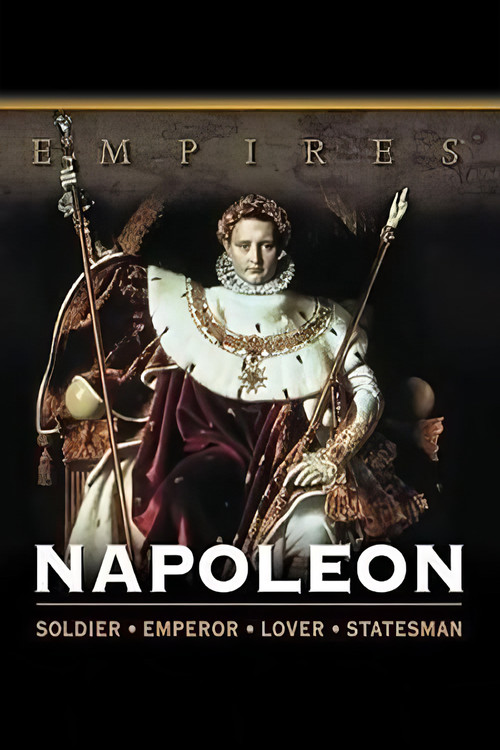
In David Grubin's NAPOLEON watch Napoleon's rise from obscurity to victories that made him a hero to the French people and convinced him he was destined for greatness. Learn of his love for Josephine Beauharnais, and his rise to Emperor. Witness his extraordinary achievements and ultimately his fall, his final battles, his exile to Elba, and his defeat at Waterloo. For nearly two decades he strode the world stage like a colossus -- loved and despised, venerated and feared. From his birth on the rugged island of Corsica to his final exile on the godforsaken island of St. Helena, NAPOLEON brings this extraordinary figure to life.

In the 19th century, China held the monopoly on tea, which was dear and fashionable in the West, and the British Empire exchanged poppies, produced in its Indian colonies and transformed into opium, for Chinese tea. Inundated by the drugs, China was forced to open up its market, and the British consolidated their commercial dominance. In 1839, the Middle Empire introduced prohibition. The Opium War was declared… Great Britain emerged as the winner, but the warning was heeded: it could no longer depend on Chinese tea. The only alternative possible was to produce its own tea. The East India Company therefore entrusted one man with finding the secrets of the precious beverage. His mission was to develop the first plantations in Britain’s Indian colonies. This latter-day James Bond was called Robert Fortune – a botanist. After overcoming innumerable ordeals in the heart of imperial China, he brought back the plants and techniques that gave rise to Darjeeling tea.
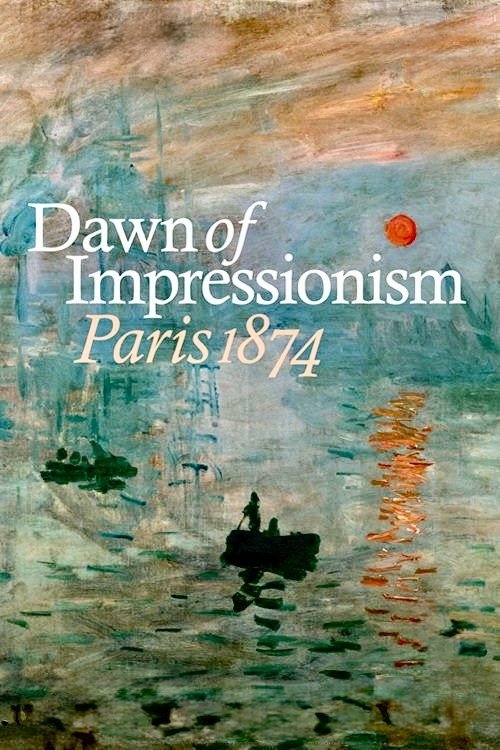
The Impressionists are the most popular group in art history – millions flock every year to marvel at their masterpieces. But, to begin with, they were scorned, penniless outsiders. 1874 was the year that changed everything; the first Impressionists, “hungry for independence”, broke the mould by holding their own exhibition outside official channels. Impressionism was born and the art world was changed forever. What led to that first groundbreaking show 150 years ago? Who were the maverick personalities that wielded their brushes in such a radical and provocative way? The spectacular Musée d’Orsay exhibition brings fresh eyes to this extraordinary tale of passion and rebellion. The story is told not by historians and curators but in the words of those who witnessed the dawn of Impressionism: the artists, press and people of Paris, 1874.
In 1885, German Zoo owner Carl Hagenbeck hired nine Aboriginal men from Bella Coola to perform their dances and songs for German audiences. The nine dancers spent one year in Germany performing in zoos and theatres in 22 cities. During summer 2005, the Canadian filmmaker Barbara Hager came to Germany to retrace the steps of the nine Nuxalk men on their original 13 month long tour.
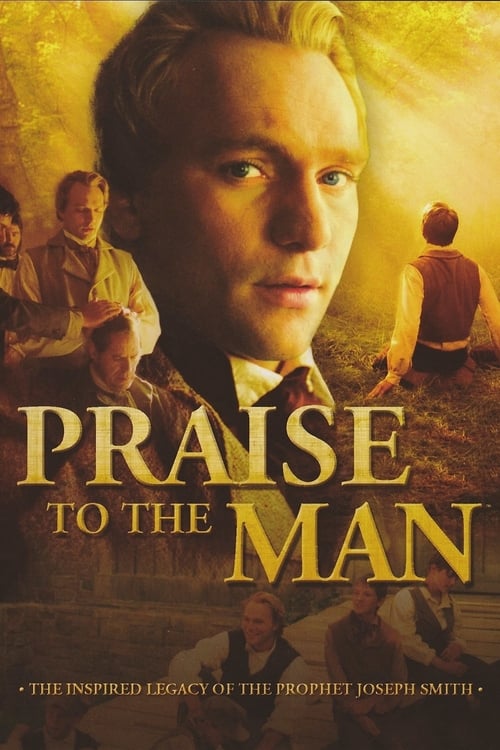
With a divine answer to a humble prayer at age 14, Joseph Smith began to fulfill his inspired mission. He translated the ancient Book of Mormon and restored the everlasting gospel of Jesus Christ. Many flocked to the American frontier to worship with the Church of Jesus Christ of Latter-day Saints, led by the Prophet Joseph's dynamic and courageous example. Unstopped by his martyrdom at age 38, Joseph's legacy continues today in the dedicated lives of Saints throughout the world who still sing; "Praise to the Man who Communed with Jehovah!"
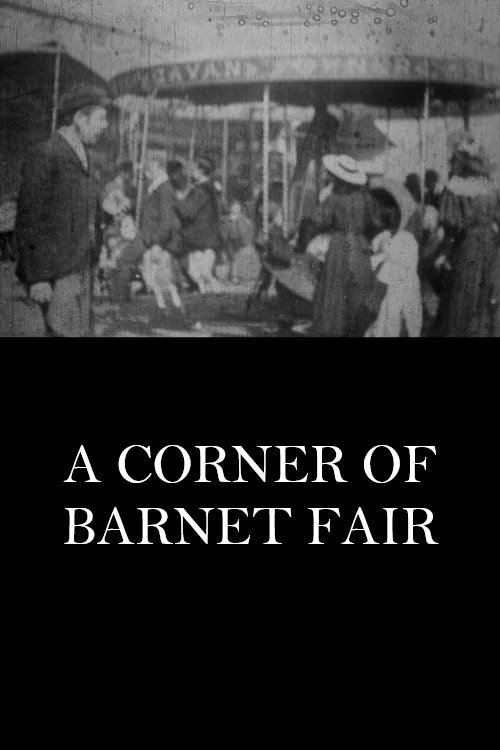
From the BFI Collection, this film is actually two films spliced together into one. The first is Birt Acres' work 'A Corner of Barnet Fair' which is the first film seen . This shows a merry-go-round and some people sitting in a doorway while street traffic goes by. The second film is a fragment of unknown origin of a street outside a very large building of what looks like a possible theatre, with a large Victorian awning. the shop next door appears to be selling wines and spirits. A horse drawn charabanc goes past, followed by a male bicyclist. This is closely followed by a male and female couple in an open carriage and two carts with workmen staring at the camera as they pass. Both films are believed to be from Barnet, given they have been spliced together. The film is in a deteriorated state with some rippling.