Loading titles…
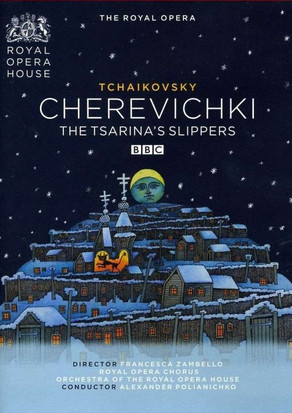
Oxana
Vakula
Solokha
Chub
The Devil

The Schoolmaster
Pan Golova
His Highness
Odarka
Wood Goblin

Echo
Panas

In the seaside town of Rochefort, twin sisters Delphine and Solange dream of love and artistic fulfillment beyond their quiet lives. As sailors, artists, musicians, and chance visitors pass through town during a weekend fair, a web of near-misses and romantic longing brings ideal partners tantalizingly close—without their realizing it.


When rebellious street dancer Andie West lands at the elite Maryland School of the Arts, she finds herself fighting to fit in while also trying to hold onto her old life. When she joins forces with the school's hottest dancer, Chase Collins, to form a crew of fellow outcasts to compete in Baltimore's underground dance battle The Streets.
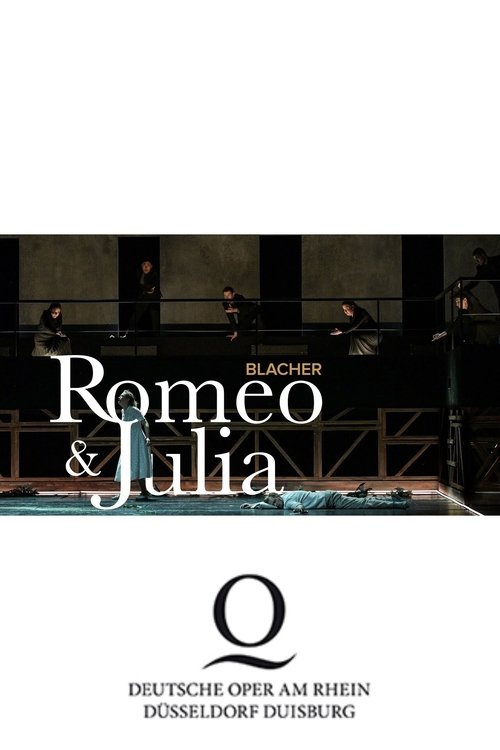
While a roaring ball stirs up spirits inside, a boy and a girl meet on the sidelines – and fall in love at first sight. But because they belong to warring families, Romeo and Juliet's love may be immortal, but it is above all forbidden. The chamber opera by the German-Baltic composer Boris Blacher, written in 1943, condenses Shakespeare’s famous tragedy to its essence: the fate of Romeo and Juliet. Scenic miniatures conjure a foggy world hostile to love. Characters occasionally materialise like ghostly apparitions, while a Brechtian chansonnier comments with humour and with harshness on the failure of the greatest love story of all.
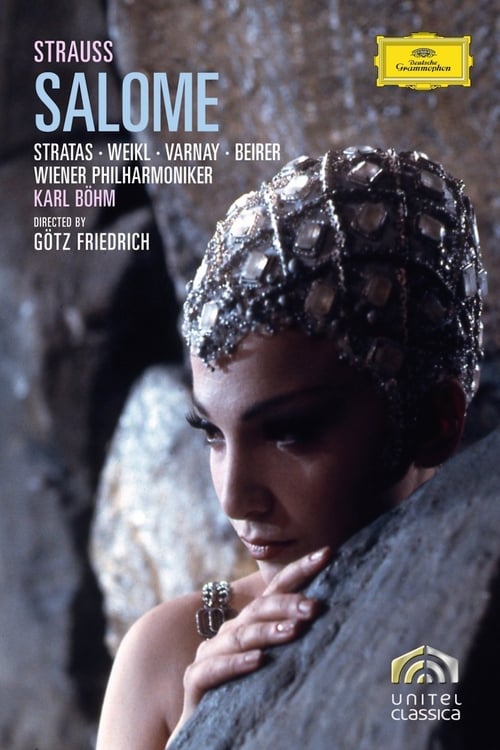
This filmed version of Strauss' shocker features Teresa Stratas as opera's most depraved teenager, and she's as perfect a Salome as one would ever hope to see or hear. Stratas inhabits the role, exploring the character's sensuousness as she vainly woos Jochanaan, her venomous hatred when she's rejected, the crazed look in her eyes when she demands his head--on a silver platter, no less. Such complete identification with a role, especially of a character so malignant helps make this 1974 Salome stand out among the many fine DVDs of the opera.
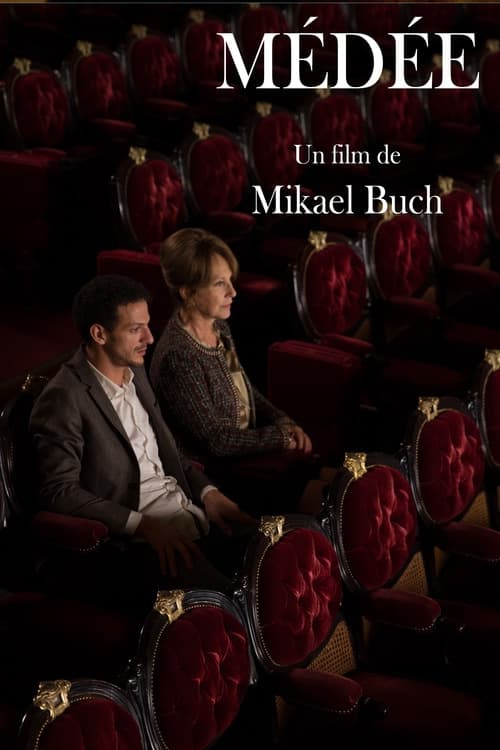
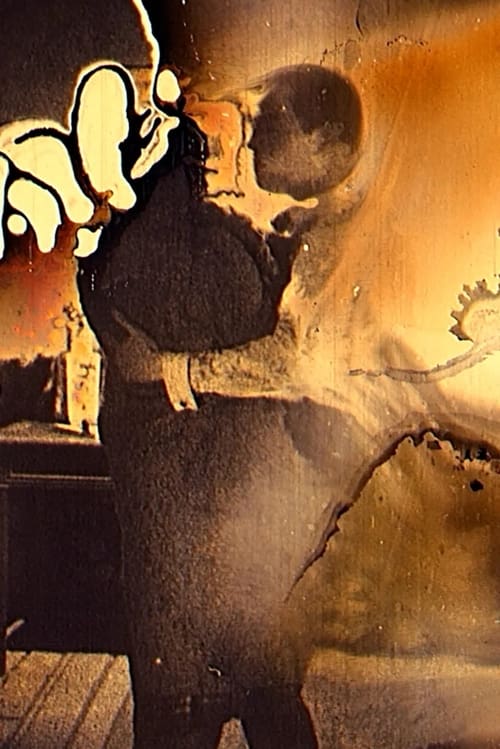
A lonely mother and her son go to the opera where a performance of Cherubini’s opera Medea is given. It is the mother’s birthday and she wanted to surprise her son by inviting him to the opera. But, the son’s plan were different and he is quite upset about it. His mother tries to break the silent barrier behind which he hides. A semblance of discussion begins, not without humour. Tension is present but, as the performance goes on, both find themselves astounded, captured, alone in the opera house.