
Loading titles…
Documentary
The city of Mariupolis is by the Azov sea. It is also on the river Kalmius. Most of the city’s residents, half a million according to the last census, are working for the steel factory and do fishing, for leisure or food, in between shifts. The orthodox church towers above the…
No cast information available.
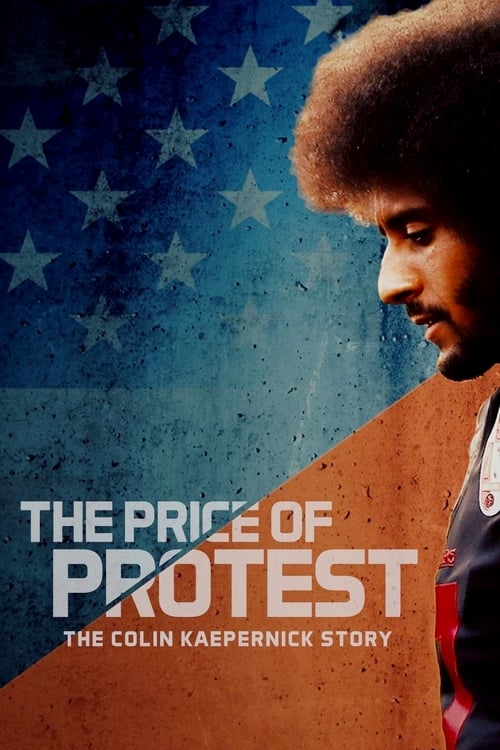
United States, September 1st, 2016. American football player Colin Kaepernick kneels during the national anthem, protesting police brutality against black people. Part of the population regards the gesture as an unacceptable affront to the flag. Later, he loses his place on his team. Today, however, he is considered by many as a true hero.
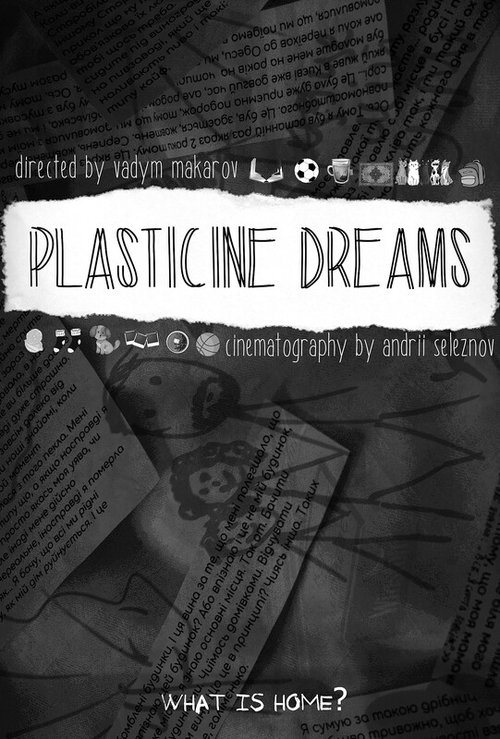
In the polyphony of voices, a search for home unfolds. What is home? What is its purpose? Is there anything bigger than home? What are the sounds, colours, and smells that let it live in our memory? The collective and the individual is expressed through the voices of those who lost it in the Russian war in Ukraine. Associations, memories, meanings: four letters, four hundred things between them — home.
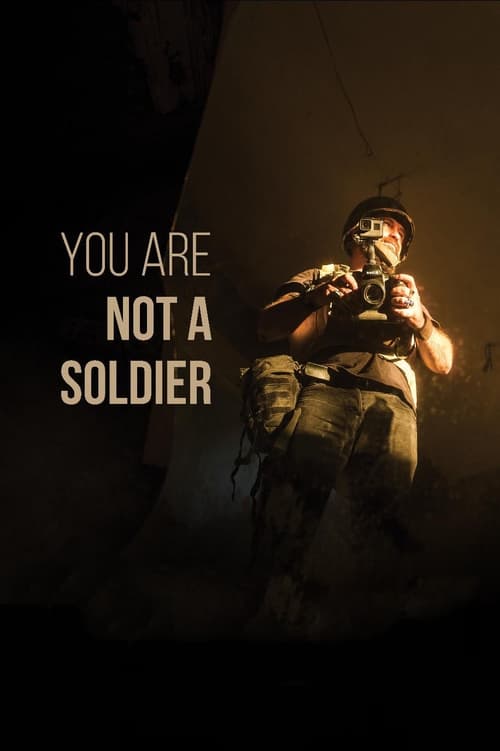
As filmmaker Maria Carolina Telles comes to terms with the death of her father, a man who regretted never making it to the frontlines of World War II, she focuses her lens on the life of another man who had his own unique experience as a civilian in the midst of combat: award-winning war photographer André Liohn.

The film’s story is based on the fate of the Floriculture Pavilion of the former Exhibition of Achievements of the People’s Economy, and its elderly employee Valentyna Voronina, who maintains this space, investing her own life into it, until suddenly changes come to her. After forty-five years of work, she is asked to retire. But Voronina does not agree with that, because she thinks that all the plants will die without her. Meanwhile, a group of mysterious radioesthesists find a channel of positive energy right in front of the entrance to the pavilion.
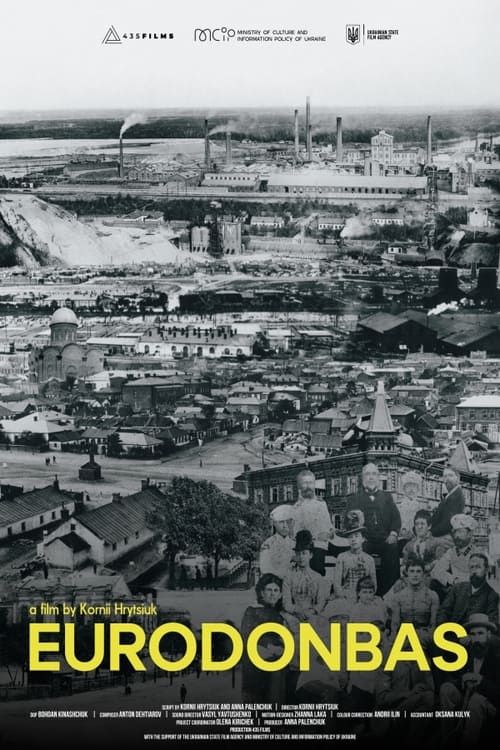
Throughout time, Eastern Ukraine (such as Donbas) has been referred to as a 'Russian world', but this is indeed not the case. The history of Donbas was re-written during the Soviet era. Although the Soviet Union edited out and withheld all references to the European background of this region from history books in schools and universities. There were, in fact, numerous French, Belgian, German, British, Polish, Swiss, Dutch, and even American settlements and more than 100 wide-scale enterprises in the region. Therefore, this film reveals the pro-European industrialization of Ukrainian Donbas at the turn of the 19th century. It aims to emphasize the European roots of Ukraine long before the official integration process of Ukraine into the EU in 2022.