

Loading titles…
Documentary
Nannies combines autobiographical elements with a reflection on the presence of nannies in Brazil. With a subjective narration, the film incorporates photographs, domestic footage and newspaper adds from the 20th century, as well as contemporary images of nannies and children,…
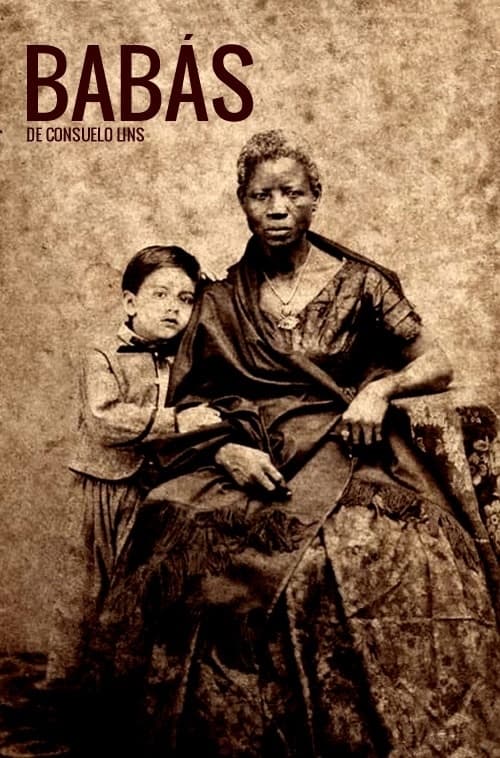
No cast information available.

Drops of fire that create a universe of magmatic asteroids. Liquid and gravitational reality. Cosmic energy. Atomized Rhythm. Neurons of a liberated unconscious. Elimination of the idea of "soul" as "everything", reducing it to the condition of units of energy in perpetual process, elementary particles, without duration, that arise in perfect dependence. The "I" as a stream of units of force in ceaseless becoming that procures the illusion of an entity. Karmic chain. The idea that eternity resides in the transitory, the eternal belongs to it instantly. Eternity not as infinite duration but as absence of temporality. Universe of a mobile, procedural, relational and interactive nature of everything that exists. Here the "object" is conceived as something that is constituted, completed, lost and recovered with the vibrating rhythm of a universe in constant production.

For its reproduction, the megaloprepus dragonfly specifically relies on periodic puddles in tree holes and bromeliacea in tropical rain forests. Territorial males tenaciously defend these resources. Females lay their eggs in the water holes of the territorial males and are guarded by them. Any satellite male - i. e., one without a territory - who tries to grab a female is driven away by the territorial male.
The film shows the prey-catching behaviour of the edible frog at a small garden pond and at a gravelpit. The catching of creeping and (under experimental conditions) hanging earthworms, of flies sitting on the surface of the water and of egglaying dragonflies (Sympetrum spec.) in tandem position are visible.

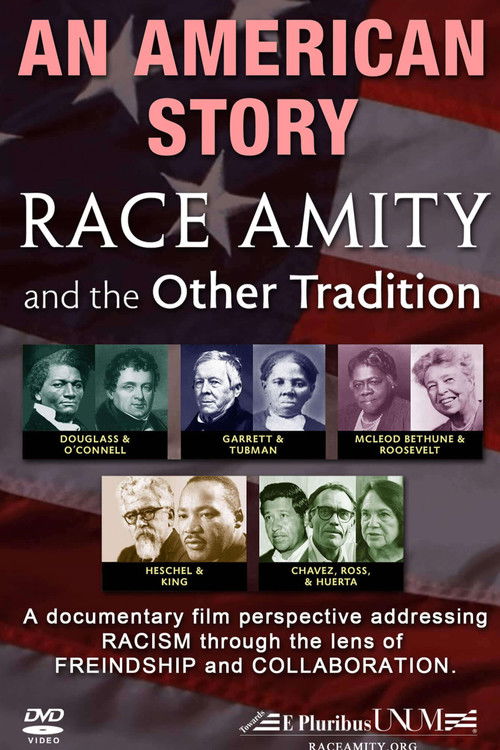
In contrast to the lens that focuses exclusively on the racist traditions that are rooted in America’s social history, the moral counterweight of close, loving, friendship and collaboration, which have always been present in our history, represents “the other tradition.” This “other tradition” is a source of inspiration and presents models of behavior that are instructional and include unknown and uncelebrated legacies to be absorbed and emulated across generations of present day Americans. The documentary discusses the “better in us” a needed collective perspective in the current climate of national disunity across racial, religious, and political lines. This has significant implications for addressing public issues from immigration to health care and the myriad of governmental, educational, business, and religious challenges that we must successfully meet to weave the fabric of unity which is indispensable to survival as a nation.

In April 1999, three Lakeside brothers murdered a Mexican migrant worker by beating him to death. Producer Lee Harvey spent several months talking with Lakesiders--teachers, social workers, longtime residents and teens who are avowed racists--to unearth the reasons why kids would commit this gruesome crime and why it happened in the peaceful, semi- rural town of Lakeside in eastern San Diego county.