Loading titles…
War / Drama / Documentary
This film was made by the U.S. government during World War II to show its young servicemen the results of "fooling around" with "loose women" overseas. Actual victims of such sexually transmitted diseases as syphilis and gonorrhoea are shown, along with the physical…

Chicken (uncredited)
Margaret's Doctor (uncredited)

Bar Woman toasting 'Chicken' (uncredited)
Ship Officer (uncredited)

Stores (uncredited)

Chief Petty Officer (uncredited)
Show Barker (uncredited)
D.E. 773 Captain (uncredited)
Exec. Officer McGregor (uncredited)
Sailor (uncredited)
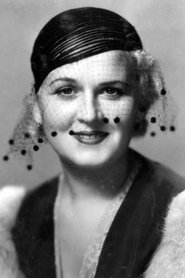
Health Department Woman (uncredited)

'Doc' Taylor (uncredited)
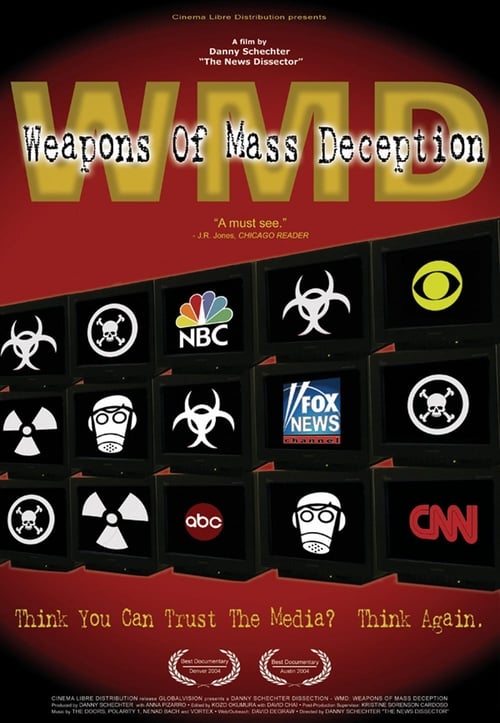
There were two wars in Iraq--a military assault and a media war. The former was well-covered; the latter was not. Until now... Independent filmmaker, Emmy-award winningTV journalist, author and media critic, Danny Schechter turns the cameras on the role of the media. His new film, WMD, is an outspoken assessment of how Pentagon propaganda and media complicity misled the American people...
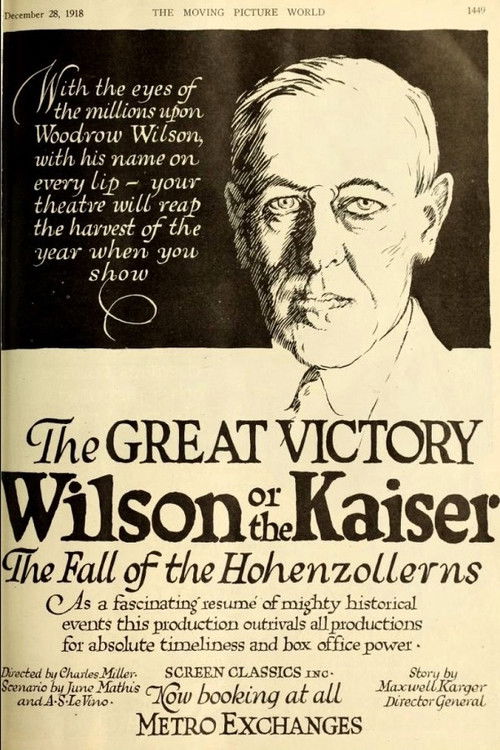
After a prologue where we are shown the backgrounds of Wilhelm II and Woodrow Wilson, we see the story of Conrad Le Brett from Alsace-Lorraine. Forced to fight for Germany Conrad, sees soldiers taking girls into a church to rape them and kills one who murders a baby. Shot in the encounter he is taken to a Brussels hospital run by nurse Edith Cavell where he falls in love with American nurse, Amy Gordon. After Edith Cavell assassination and the murder of Conrad’s sister Vilma by the evil Lieutenant Ober Conrad honors her dying request that he go to America and defend Alsace-Lorraine's reputation. Once there he convinces President Wilson that Alsatians should be allowed to enlist. Fighting with the "doughboys," Conrad kills Ober, and after the armistice, returns to Amy.
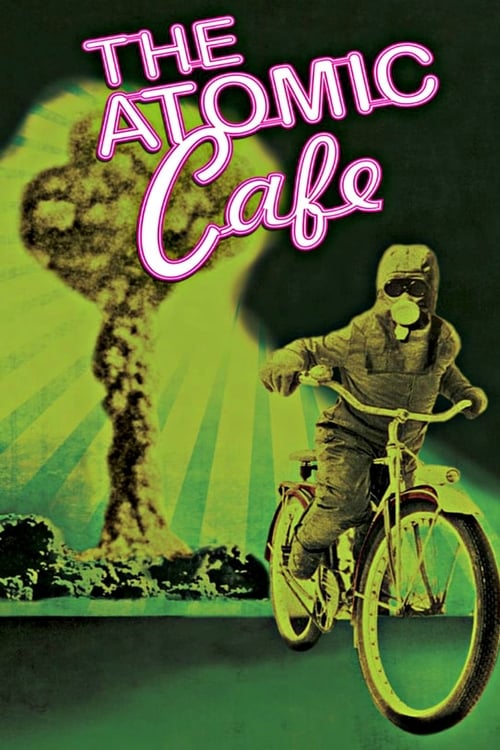
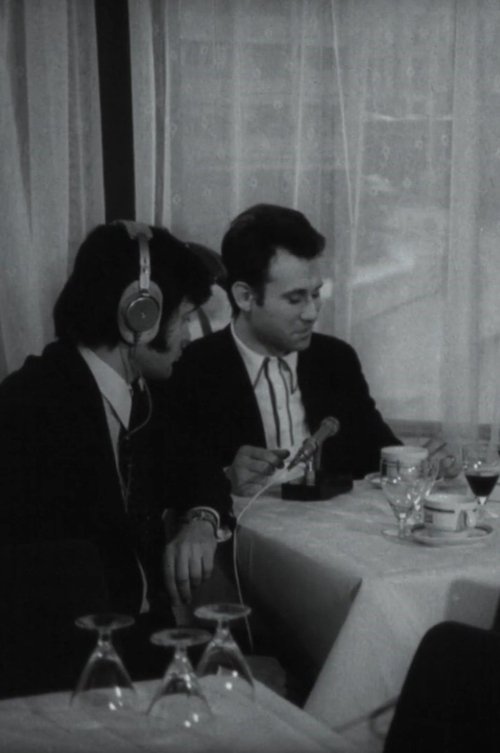
At the beginning of the 70s, Sahia Studio produced a number of social investigations commissioned by the Central Committee of the Romanian Communist Party, intended to expose the so-called "social parasitism". The decision was taken after the theses of July 1971, which provide that "one of the main objectives of political work, especially among the youth, is the firm fight against the tendencies of parasitism, of an easy life, without work, the cultivation of responsibility and the duty to work , in the service of the country, the people, the socialist society". The most famous films, made with the competition of the Ministry of the Interior and the Ministry of Justice, are Să treacă vara and Iarna unor pierde vară



Social democracy propaganda film about future dreams for Denmark in 1960. Although Denmark is free again, the former opponent and worker, Svend, is disillusioned: "It is all something soft". The dream of the future is incarnated by a young woman, Karen, who shows Svend the visions of a better life in the 'youth's land'. There are homes and a nuclear-powered car for everyone.