Loading titles…
No cast information available.

EMPOWER is a series of three portraits of sex workers with heterogeneous trajectories crossing paths of migration, Trans identities, feminism, the fight against HIV, the fight against precariousness and discrimination. Interweaving personal journeys, political analysis, and strategies of collective resistance, Aying, Giovanna Murillo Rincon, and Mylène Juste demand for the rights of minorities. Far from the objectification often at work in documentaries, EMPOWER is a tribute to the voices of sex workers through an active collaboration in production with the protagonists.

Made in the "Boca do Lixo" district in São Paulo, this work explores the world of women prostitutes in downtown São Paulo. The author allows the narrative to be led by the interviewees themselves, removing the reporter's voice and intervening as little as possible in the editing of the testimonies. At a time when AIDS was primarily associated with gay men, most of the prostitutes say they don't believe they can be infected and refuse to use condoms. One of them shares that she used to be a madam and a drug dealer, but now lives like an ordinary worker, working from 10 to 7 and raising her children. Another recalls her time as a domestic worker, earning in one month what she now makes in a single day as a prostitute. The soundtrack features songs by Milton Nascimento and Mutantes.

Barbara Wong interviews HK women (of all ages (even 4 year olds), all walks of life, all sexual preferences, singles, wives, mistresses, prostitutes) with an all women crew and gets some wild and frank responses. The documentary is bold, honest, funny and touching. Highly recommended to any man who wants to understand women better and any woman who wants a fun girls' night out.
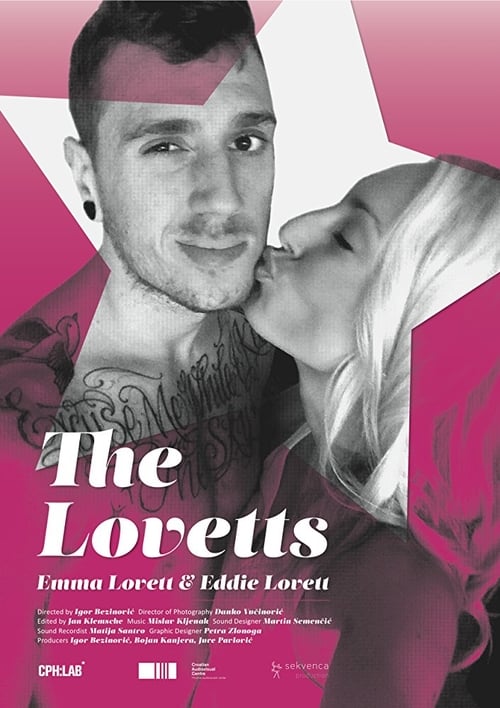
Mr. & Mrs. Lovett live out their (sex) lives in full public view in front of a permanently connected webcam, which frames their spartan living room like a human aquarium. This is all we see of their lives - but it's not so little after all. The young couple are driven business people, and they flirt, strip and screw for the benefit of the camera and the customers on the receiving end. The Croatian filmmaker Igor Bezinovic has created a surreal and funny take on a piece of avant-garde 'adult entertainment' from one of the internet's seedy corners. But he also documents a performance culture, which dissolves the boundaries between the private and public spheres and a parallel economy of images. A hedonistic and thoroughly commercialised culture, where supply and demand have taken on an entirely new and absurd meaning.
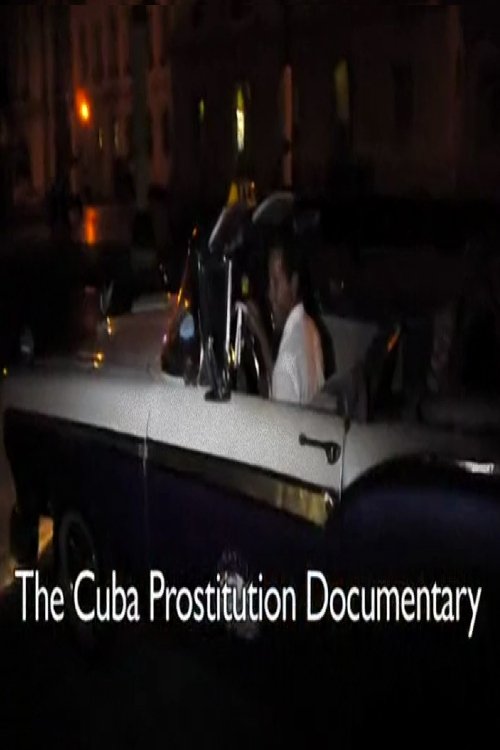
Meet Andrew Lindy: a man with a camera and sex on his mind. Andrew is a New Yorker who travels the world to capture beauty for various freelance jobs. Andrew chases beauty but he longs for a connection. On an assignment for ELLE magazine, Andrew travels to Cuba and brings his camera and appetite for women with him. This is a look at the lack of sexual taboo in Cuba, as well as the financial difficulties that lead to prostitution in some Cubans, for the purpose of survival.
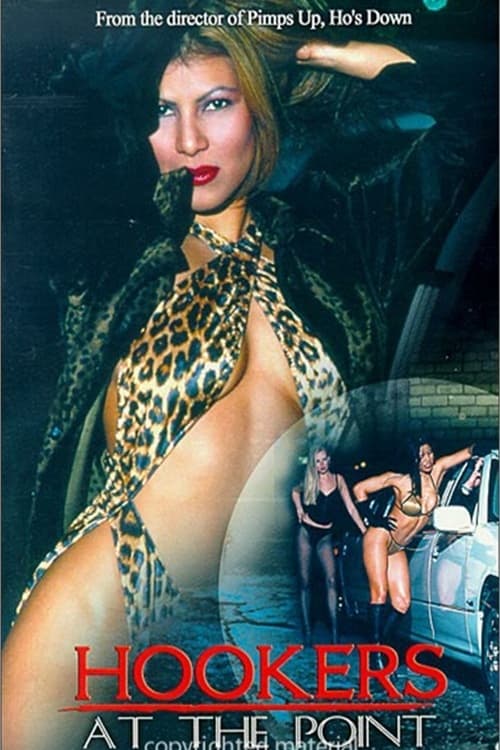
From the sultry streets of Hunts Point in the South Bronx, comes the rawest, realest and truest documentation of the world's oldest profession ever captured on video. From Brent Owens, the director of Pimps Up, Ho's Down, comes the first two in a series of five films. Hookers At The Point focuses on the business of sex and the people involved in it. As a special bonus we have included Hookers At The Point: Going Out Again, where we follow up on the personalities from the first film and see where "The Life" has led them.
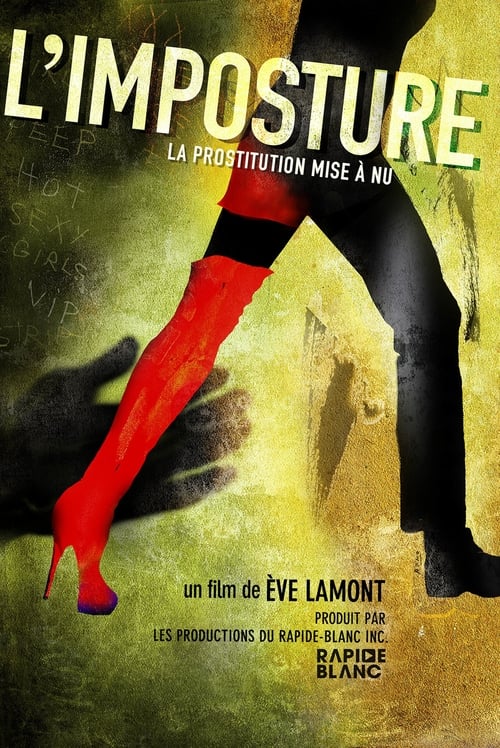
The current trend to render prostitution a profession "as any other" is belied by women who were themselves prostitutes. With clarity and courage, the women in this film reveal the hidden face of that so-called "sex work". They are 22, 34 or 48 years old; they live in Montreal, Quebec and Ottawa - They have recently given up prostitution, or are trying to escape it. These women are leading the bitter fight to turn their lives around and it is a long and lonely struggle fraught with difficulties. Shot in a Cinéma Vérité style, The Fallacy (L'imposture) takes us to the heart of their realities.

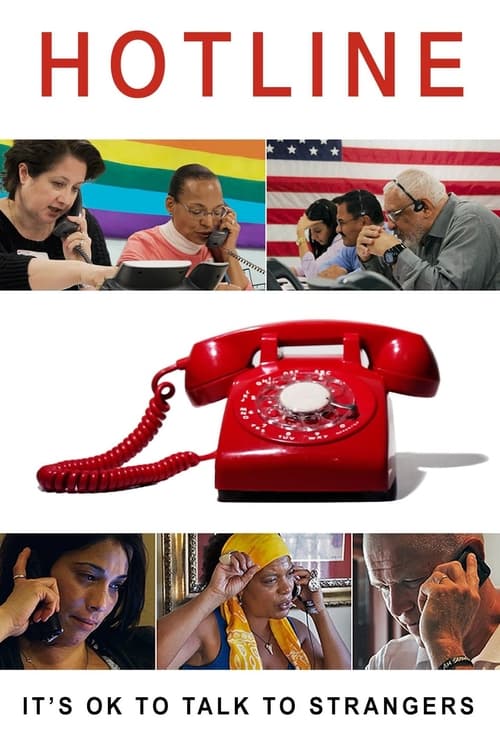
A feature length documentary about the intense connections made between strangers over the telephone, and explores these anonymous conversations people are often too hesitant to have with the people closest to them. From crisis centers to psychics and sex workers, this documentary eavesdrops on the inner-workings of hotlines and puts faces to the voice on the other end of the line.