

Loading titles…
Cast
Cast
Cast
Cast
Cast
Cast
Cast

This movie chronicles the life and times of R. Crumb. Robert Crumb is the cartoonist/artist who drew Keep On Truckin', Fritz the Cat, and played a major pioneering role in the genesis of underground comix. Through interviews with his mother, two brothers, wife, ex-wife and ex-girlfriends, as well as selections from his vast quantity of graphic art, we are treated to a darkly comic ride through one man's subconscious mind.

The Day of the Dead is one of the most deeply rooted and celebrated traditions in our country and when this festivity takes place in a magical town, the event becomes something memorable. The Day of the Dead tradition in Huautla de Jiménez, Oaxaca begins on October 27 with the arrival of the chá to xo´o´ and the celebration lasts six days. Hand in hand with its inhabitants, we will take a tour to witness all the colors, smells, flavors, sounds, textures, and visions that surround this ancestral festival and that of the Mazatecs.

Paul Hugo ten Hoopen, the 98-year-old Amsterdam painter, delves into his childhood, education, and past artworks, while exploring his philosophy on the creation of art itself. Paul’s story brings out the perspective of a professional in his field. He urges new artists to find their own voice – their own colours – to be as original as possible.

In this revealing study of Norval Morrisseau, filmed as he works among the lakes and woodlands of his ancestors, we see a remarkable Indigenous artist who emerged from a life of obscurity in the North American bush to become one of Canada's most renowned painters. Morrisseau the man is much like his paintings: vital and passionate, torn between his Ojibway heritage and the influences of the white man's world.

The sculptor and painter Agueda Lozano narrates the first contacts with plastic art that she had in her native Ciudad Cuauhtémoc, Chihuahua; her stay in France and how was her arrival in Europe; her return to Mexico, and her participation in important exhibitions and sculpture projects, among which the definitive insertion sculpture that she inaugurated in the Plaza de México in Paris stands out. Likewise, she talks about her works in the Payment in Kind Collection, about the characters that promoted and inspired her in her career, and about her aesthetic proposals and creation techniques.
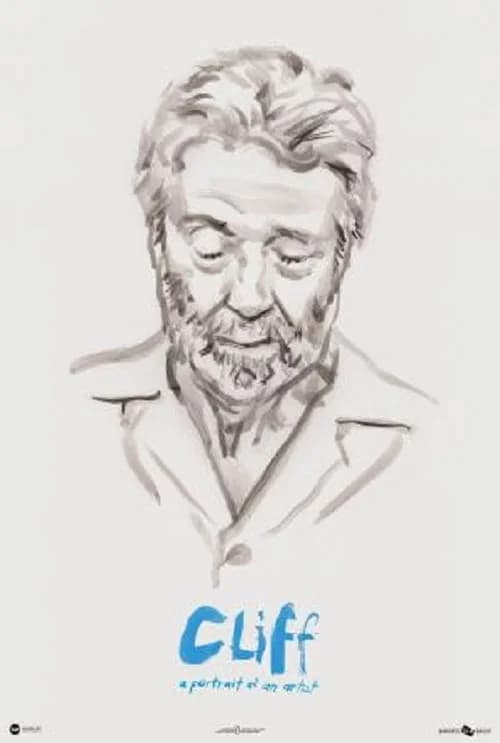

The documentary is titled after Arkadaş Z. Özger’s poem “Hello My Dear” which had caused much controversy in the period it was first published. Considered to be in defiance of heteronormativity, the said poem includes references to the poet’s personality, his family, his relationship to the society, and his “unexpected” death, which came three years after its publication. Today, 50 years after it was written, the documentary follows these same lines in the poem utilising cinematic elements. The documentary also rediscovers the poetics; reaches out to the family, the comrades, the friendships, departing from the official historical accounts, cognizant of his experience of otherness, in pursuit of the “lost” portrait of Arkadaş Z. Özger.

The Victorian era is often cited for its lack of sexuality, but as this documentary reveals, the period's artists created a strong tradition surrounding the classical nude figure, which spread from the fine arts to more common forms of expression. The film explains how 19th-century artists were inspired by ancient Greek and Roman works to highlight the naked form, and how that was reflected in the evolving cultural attitudes toward sex.

