
Loading titles…
Music
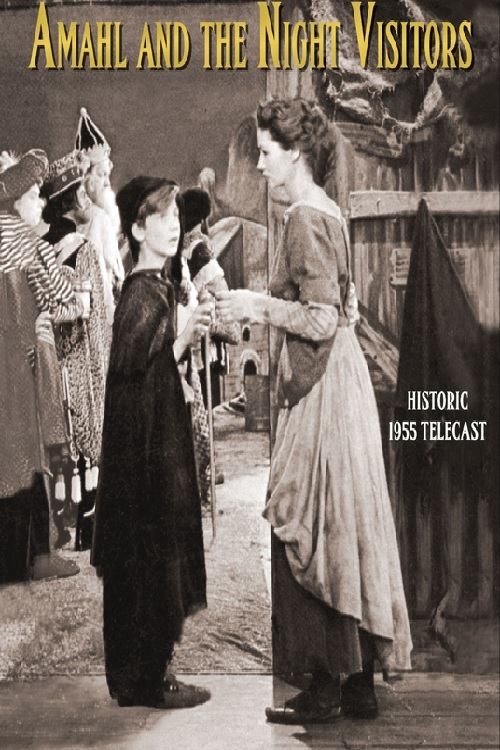
A destitute, crippled child and his mother are visited late one night by three traveling strangers who claim to be following a star so that they may bring gifts to a newborn king. The yearly live telecasts of Gian Carlo Menotti’s Amahl and the Night Visitors were a cherished…
Amahl
Mother
King Kaspar
King Melchior
King Balthazar
Servant
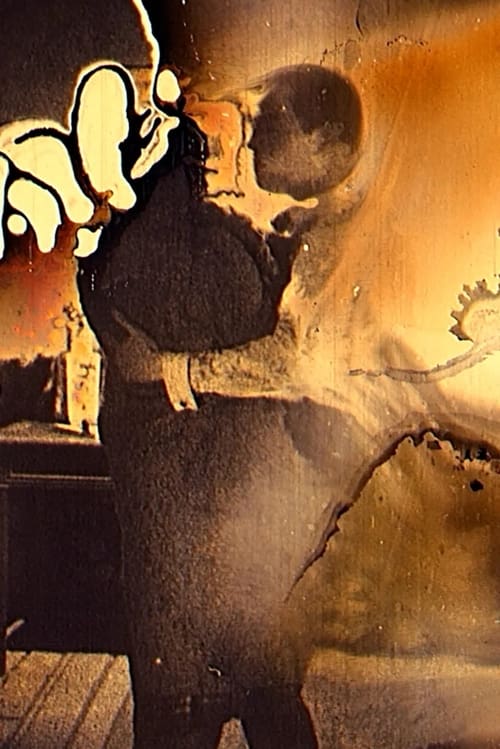

LeAnn Rimes plays herself from her childhood in Nashville to her performing around the country as a country-western singer, until she has to make a choice: Does she perform at the Grand Ole Opry, following her dreams? Or does she not go to the concert, and stay at her dying grandmother's bedside? The made-for-tv film is based in part on LeAnn's autobiographical novel.
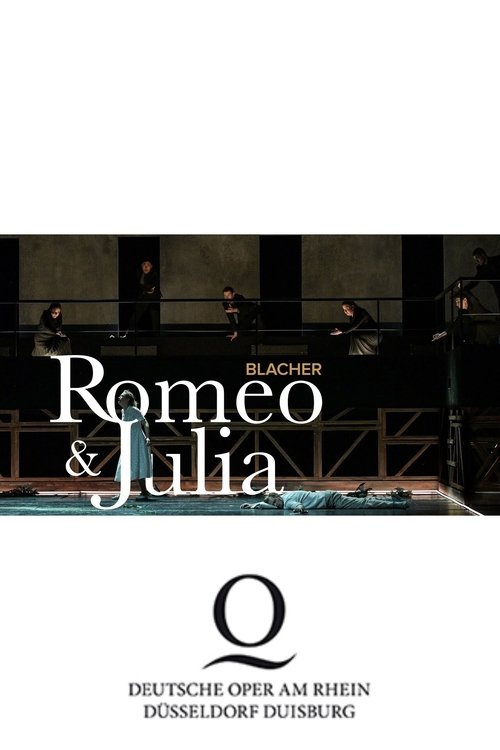
While a roaring ball stirs up spirits inside, a boy and a girl meet on the sidelines – and fall in love at first sight. But because they belong to warring families, Romeo and Juliet's love may be immortal, but it is above all forbidden. The chamber opera by the German-Baltic composer Boris Blacher, written in 1943, condenses Shakespeare’s famous tragedy to its essence: the fate of Romeo and Juliet. Scenic miniatures conjure a foggy world hostile to love. Characters occasionally materialise like ghostly apparitions, while a Brechtian chansonnier comments with humour and with harshness on the failure of the greatest love story of all.
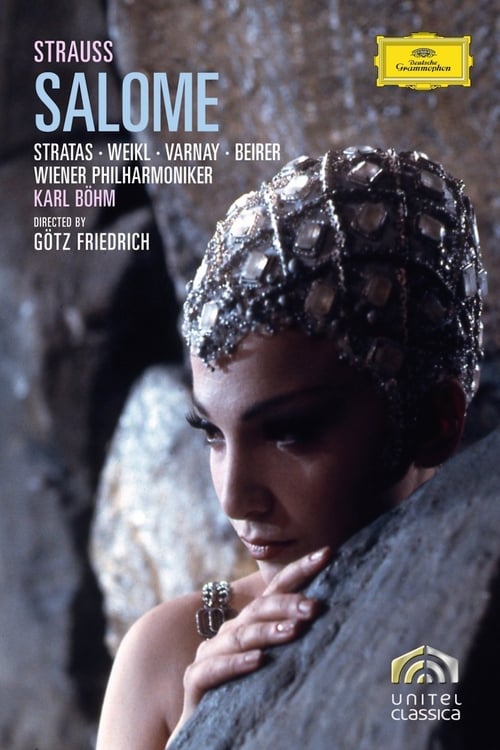
This filmed version of Strauss' shocker features Teresa Stratas as opera's most depraved teenager, and she's as perfect a Salome as one would ever hope to see or hear. Stratas inhabits the role, exploring the character's sensuousness as she vainly woos Jochanaan, her venomous hatred when she's rejected, the crazed look in her eyes when she demands his head--on a silver platter, no less. Such complete identification with a role, especially of a character so malignant helps make this 1974 Salome stand out among the many fine DVDs of the opera.
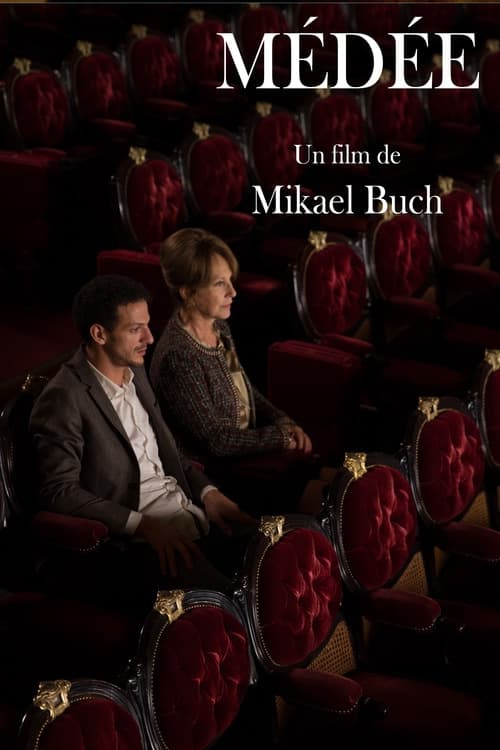
A lonely mother and her son go to the opera where a performance of Cherubini’s opera Medea is given. It is the mother’s birthday and she wanted to surprise her son by inviting him to the opera. But, the son’s plan were different and he is quite upset about it. His mother tries to break the silent barrier behind which he hides. A semblance of discussion begins, not without humour. Tension is present but, as the performance goes on, both find themselves astounded, captured, alone in the opera house.
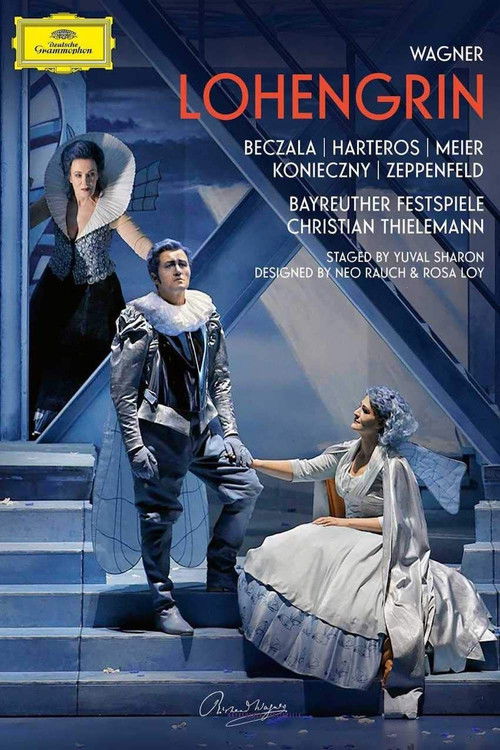
After Tristan und Isolde (2016), Parsifal (2017) and Die Meistersinger von Nürnberg (2018) this is the fourth installment of the exclusive, multiyear partnership between Deutsche Grammophon and the Bayreuth Festival, in which the Yellow Label is the exclusive audiovisual partner of the mythical Wagner festival, releasing each edition's new production on Blu-ray. This year, we are proud to release on Blu-ray the celebrated production of Lohengrin which was premiered on 25 July 2018, featuring an illustrious cast including Piotr Beczala and Anja Harteros in their house debuts, as well as the acclaimed return of Waltraud Meier to the Bayreuth Festival. The New York Times praised Piotr Beczala’s Lohengrin as “outstanding”, Anja Harteros [making] her impressive Bayreuth debut” as Elsa, and Ortrud “played with dominant presence by the incomparable Waltraud Meier”.
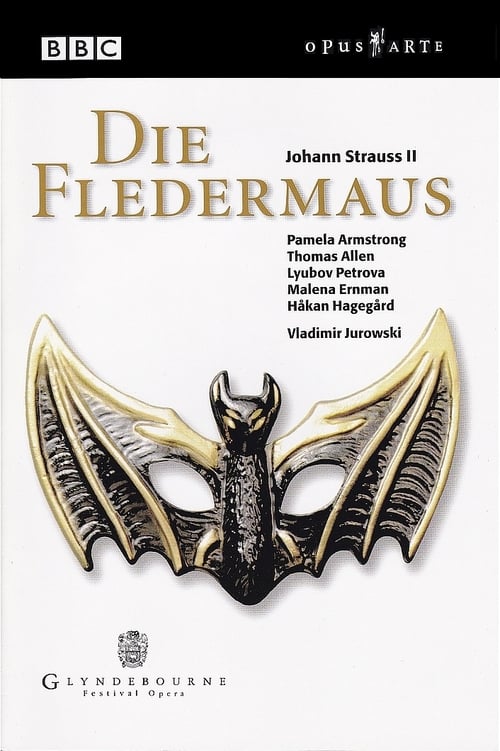
Glyndebourne's pulsating new production of the Waltz King's much-loved comic operetta. Its story centers on a magnificent masked ball, given by a Russian prince, that brings together all the main characters in various disguises. The three-act journey from boudoir to ballroom to jail provides ample opportunities for farce and humor, but also for genuine human emotion and a surprisingly realistic view of urban life.
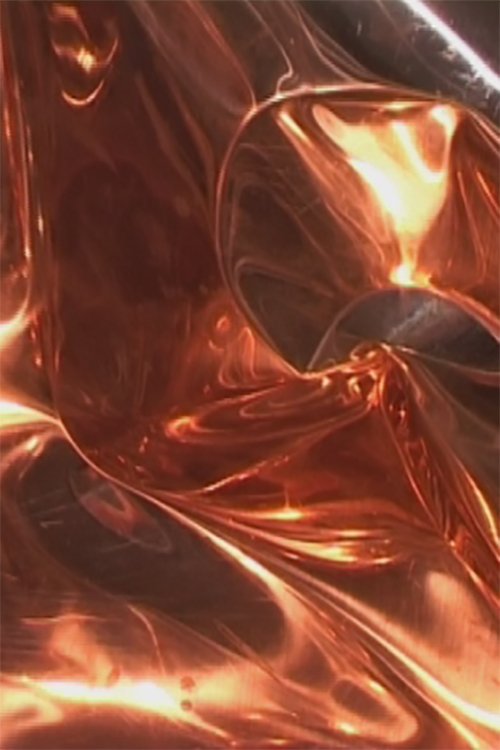
Shortly before his death, Romitelli together with his friend Paolo Pachini and the poetess Kenka Lèkovich, resurrected the dream of a total scenic art (a furnace of sensations, they called it, an_ initiation rite_) in the manner of the Futurists: rhythms and gleams of light striking metals (for the video part), poems in iron and chrome singing of fusion with matter (Kenka Lekovich), acoustic/electric music highly amplified, filtered, spatialised, in as artificial a manner as possible. An Index of Metals bears vigorous witness to this determination to go beyond: sizzling orchestration, electric and psychedelic; a voice which plays on effects, murmurs with reverb, cackles into a megaphone, screams like a pop star; and an electric guitar score of a kind that no ‘serious’ composer has ever written, sliding across an infinite range of tones with a lightness of touch and blurring of contours.
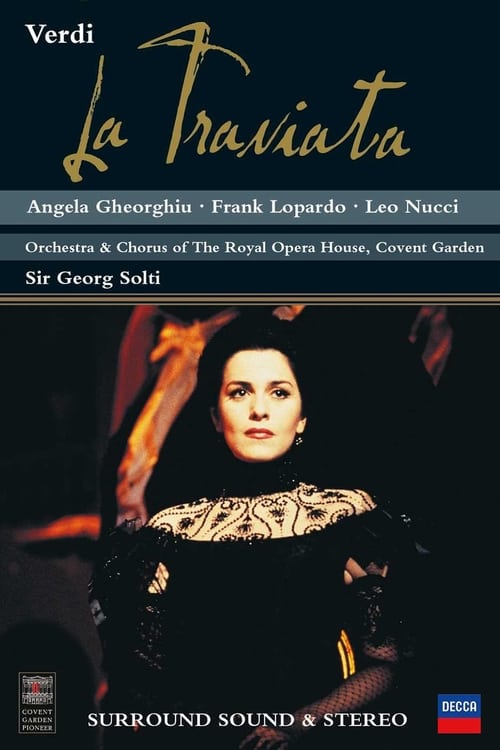
La traviata (Italian: [la traˈviaːta], "The Fallen Woman"[1][2]) is an opera in three acts by Giuseppe Verdi set to an Italian libretto by Francesco Maria Piave. It is based on La dame aux Camélias (1852), a play adapted from the novel by Alexandre Dumas, fils. The opera was originally entitled Violetta, after the main character. It was first performed on 6 March 1853 at the La Fenice opera house in Venice. Piave and Verdi wanted to follow Dumas in giving the opera a contemporary setting, but the authorities at La Fenice insisted that it be set in the past, "c. 1700". It was not until the 1880s that the composer and librettist's original wishes were carried out and "realistic" productions were staged.[3]