
Joan Massotkleiner
Doctor Solé i Pla
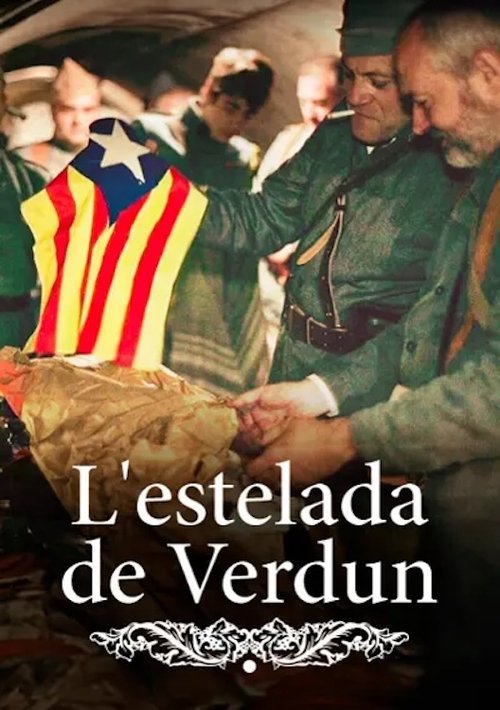
For years, a man collects hundreds of written letters and thousands of photographs that portray the story of a handful of men who fought for four years in World War I. Volunteers writing letters from the trenches. Combatants in a dozen battles with one foot in the grave. Who are…
Doctor Solé i Pla
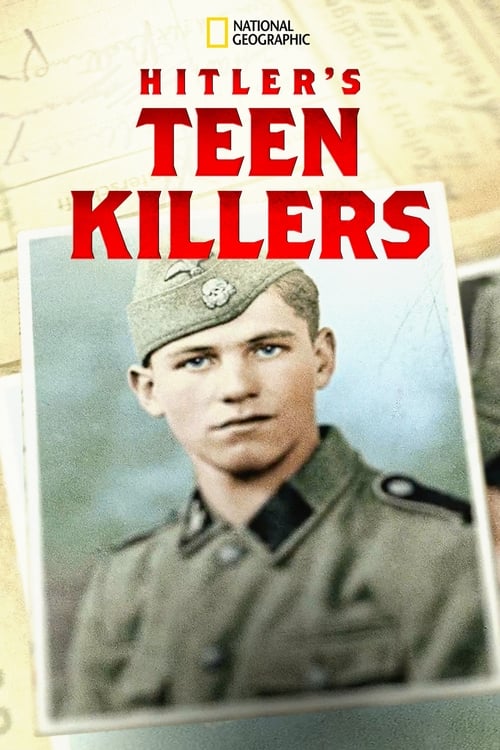
They grew up under the Nazi regime. They pledged to give their lives for Hitler. They were fanatics who would not be stopped. They were the 20,000 teenagers who made up the 12th SS Panzer Division. Unleashed in France to halt the Allied invasion, they would sow terror and destruction in their wake. Historical colorized archives and a handful of survivors tell us this story.
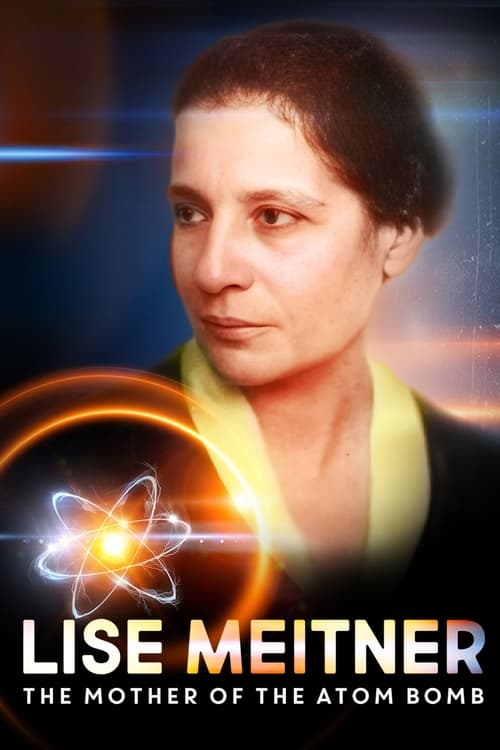
To historians, physicist Lise Meitner deserves to be placed on a par with Einstein, Heisenberg and Otto Hahn. In the 1930s on the verge of World War II, she led a small group of scientists who discovered that splitting the atomic nucleus of uranium releases enormous energy. This extraordinary film tells the story of a woman who was far ahead of her time as a scientist and a pioneer of feminism.
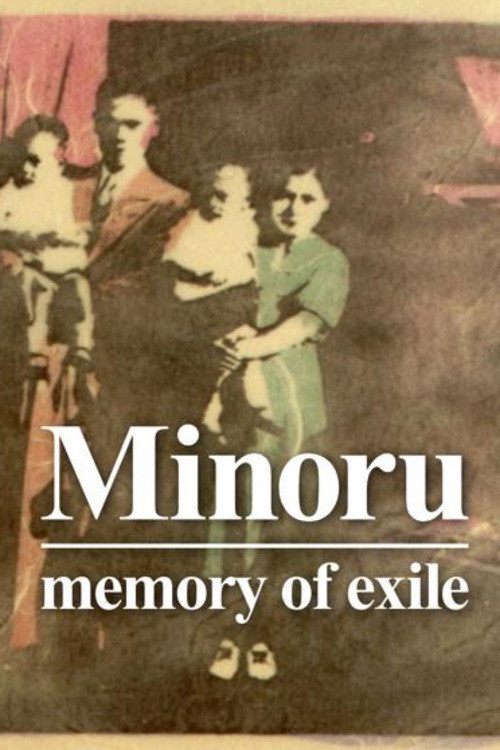
The bombing of the American naval base at Pearl Harbor, by a nation he knew only by name, thrust nine-year-old Minoru Fukushima into a world of racism so malevolent he would be forced to leave Canada, the land of his birth. Like thousands of other Japanese Canadians, Minoru and his family were branded as an enemy of Canada, dispatched to internment camps in the interior of British Columbia, and finally deported to Japan. Directed by Michael Fukushima, Minoru's son, the film artfully combines classical animation with archival material. The memories of the father are interspersed with the voice of the son, weaving a tale of suffering and survival, of a birthright lost and recovered.
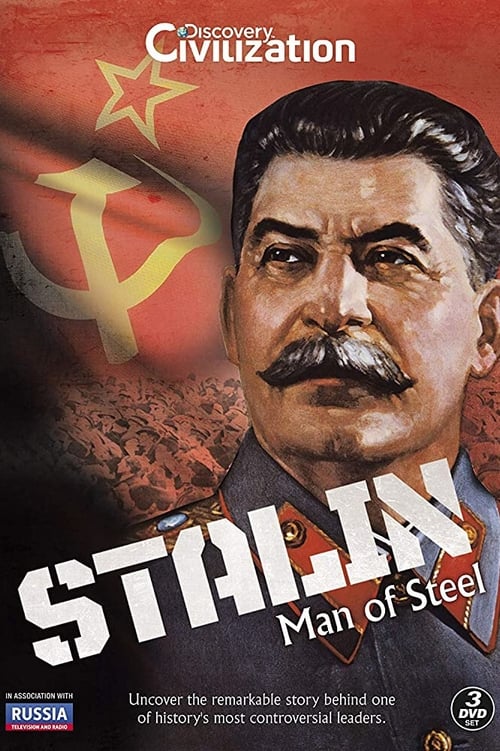
Emmy Awards nominee for "Outstanding Individual Achievement in a Craft: Research: Multi-faceted portrait of the man who succeeded Lenin as the head of the Soviet Union. With a captivating blend of period documents, newly-released information, newsreel and archival footage and interviews with experts, the program examines his rise to power, deconstructs the cult of personality that helped him maintain an iron grip over his vast empire, and analyzes the policies he introduced, including the deadly expansion of the notorious gulags where he banished so many of his countrymen to certain death.

When director Isabella Kolb learned that her great-great-uncle was imprisoned in Stutthof, the first German concentration camp established on Polish soil during the Second World War, she begins an investigation into his story and the camp's little-known history. Despite its significance, Stutthof remains one of the least documented sites of Nazi persecution, leaving families of its victims with lingering questions. Through witness testimonies and archival traces, the film follows Kolb's search for Uncle Edmund and the lives of those who endured Stutthof, offering a quiet reflection on memory, loss, and the lasting echoes of trauma that continue to shape the generations that followed.