Loading titles…
Cast
Cast
Cast
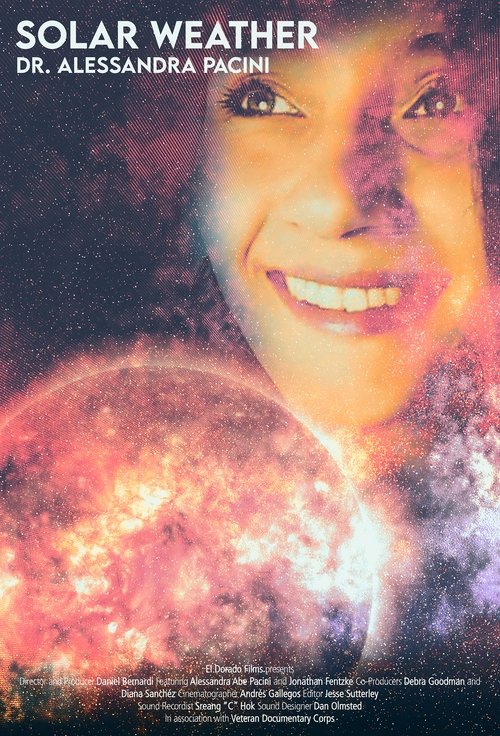
Alessandra Pacini, solar physicist and mother of two, has dedicated her life to researching our sun and its relation to the rest of our solar system. Traveling across the globe with her family, from Finland to Puerto Rico, Alessandra is on a mission to discover the great mysteries of our solar system.
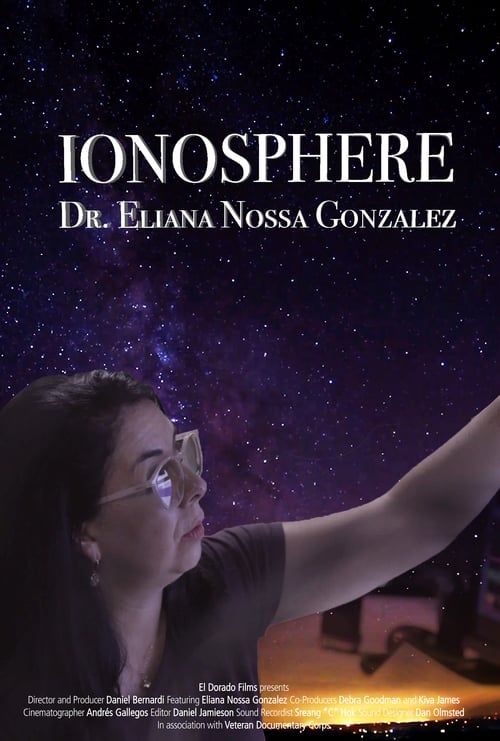
At Arecibo Observatory in Puerto Rico, Eliana Nossa studies the ionosphere. This short films tells the story of Columbian researcher Eliana Nossa as she explains her study of the ever-changing universe, Arecibo's technology and data, and her role as a woman among her male colleagues. She studies the ionospheric irregularities that impact terrestrial communication.

Partly adapted from cosmologist Stephen Hawking's popular book about his theories of the universe, this in-depth documentary also presents Hawking's daily life as he deals with the ALS that renders him virtually immobile and unable to speak without the use of a computer. Hawking's friends, family, former classmates and peers are interviewed about not only his theories but the man himself.
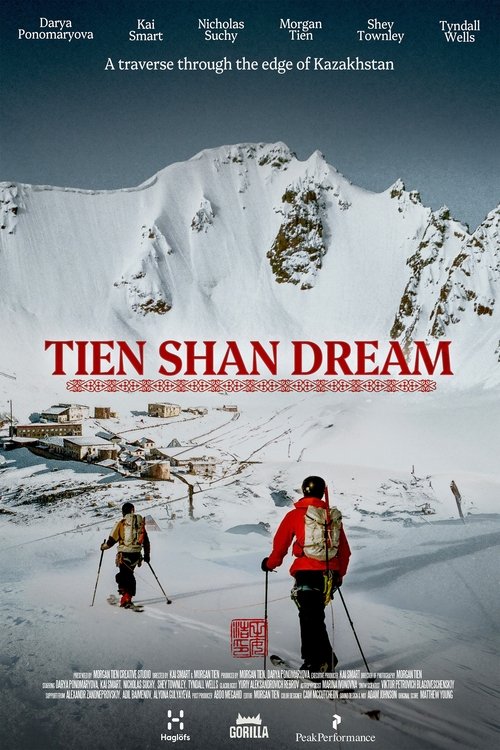
A team of international skiers embark on a two-week glacier traverse connecting two remote research stations in Kazakhstan. The Tien Shan's 4000+ meter peaks host an active scientific community, leveraging the rare environmental conditions for groundbreaking research. Established during the Soviet Union's occupation, the high-altitude research stations here are home to some of the longest-standing glacier and cosmic radiation experiments in the world - and are surrounded by deadly alpine terrain.
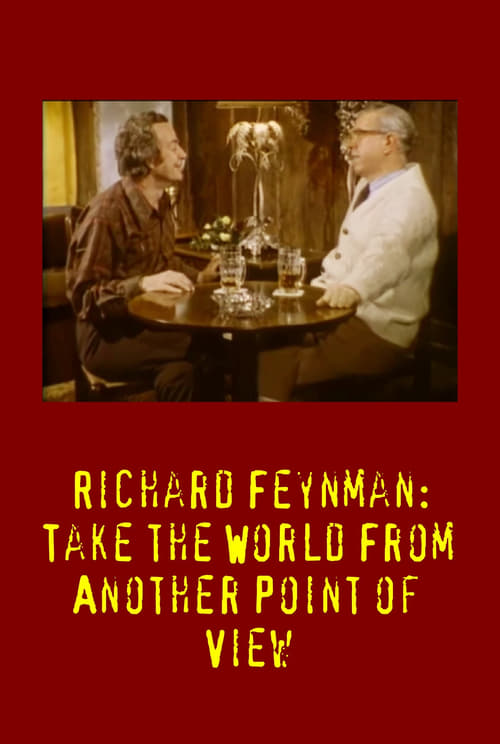
In 1973 Yorkshire public television made a short film of the Nobel laureate while he was there. The resulting film, Take the World from Another Point of View, was broadcast in America as part of the PBS Nova series. The documentary features a fascinating interview, but what sets it apart from other films on Feynman is the inclusion of a lively conversation he had with the eminent British astrophysicist Fred Hoyle.

Twenty years after A Brief History of Time flummoxed the world with its big numbers and black holes, its author, Stephen Hawking, concedes that the "ultimate theory" he'd believed to be imminent - which would conclusively explain the origins of life, the universe and everything - remains frustratingly elusive. Yet despite his failing health and the seeming impossibility of the task, Hawking is still devoted to his work; an extraordinary drive that's captured here in fleeting interview snippets and footage of the scientist sharing a microwave dinner with some fawning PhD students. Though the pop-science tutorials that dapple the first of this two-part biography are winningly perky, Hawking, alas, remains as tricky to fathom as his boggling quantum whatnots