Loading titles…
No cast information available.
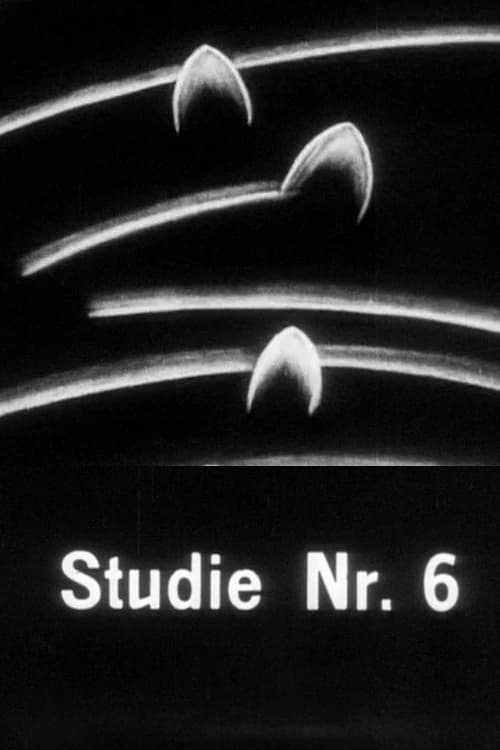
The first Studies were synchronized with records (Fischinger made a total of 13 Studies all without sound). It was only with the introduction of sound, beginning with Study No 6 that the films did full justice to this musical principle. The play of the white lines, the arcs, and the upside-down U’s running hither and thither like ballet dancers was brought into perfect synchronization with the music, and thus the films offered an abstract illustration of the melodies. Study No 6 is certainly the best of his films in terms of forms. - Hans Scheugl and Ernst Schmidt, Jr. Preserved by the Academy Film Archive in 2001.
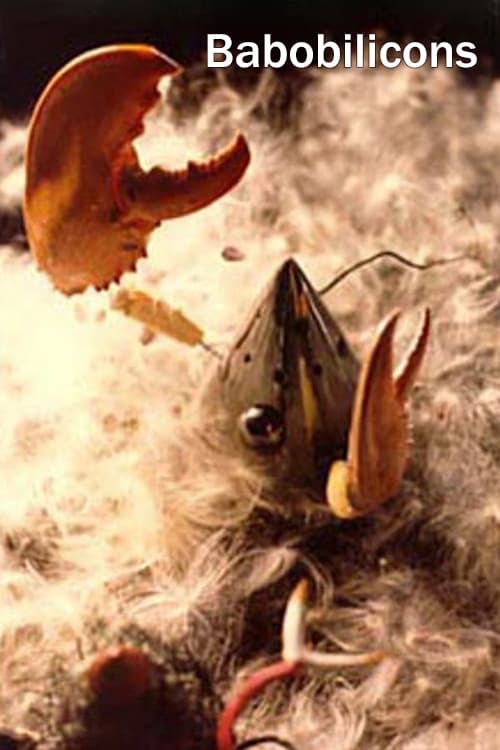
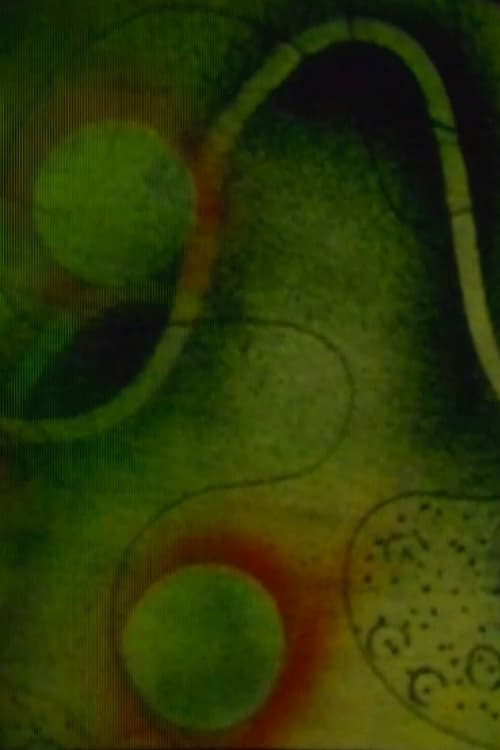
Krumins’ fantasy sets the world of flora and fauna on its ear. At one moment grotesque greenish mushrooms grow, wither and reverse their life-cycle, at another, strange crustacean-like animals speed around on a bed of feathers, next a room is inundated with giant ladybugs… Preserved by the Academy Film Archive in 2009.


Drunk and disillusioned Roman, Marcellus Gallio, wins Jesus' robe in a dice game after the crucifixion. Marcellus has never been a man of faith like his slave, Demetrius, but when Demetrius escapes with the robe, Marcellus experiences disturbing visions and feels guilty for his actions. Convinced that destroying the robe will cure him, Marcellus sets out to find Demetrius — and discovers his Christian faith along the way.
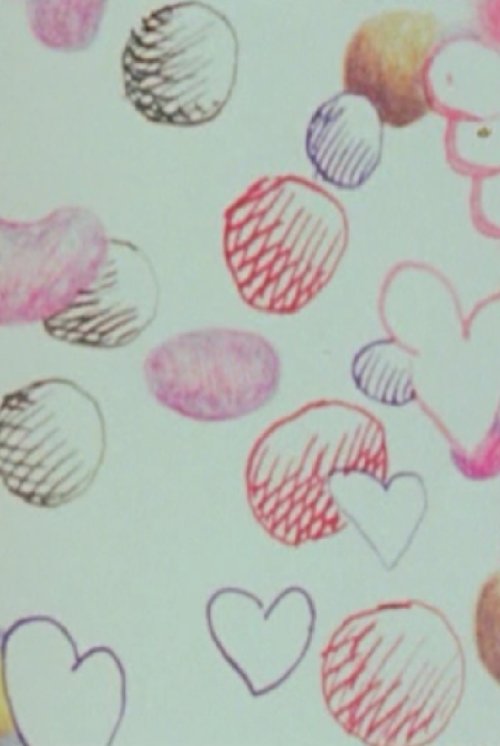
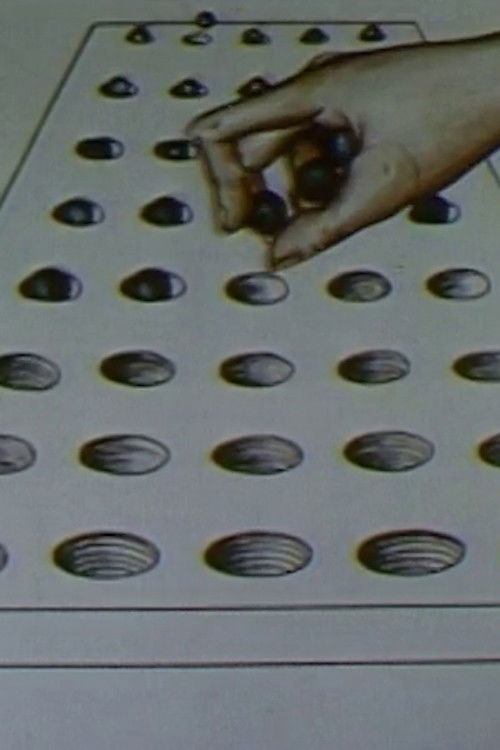
Beckett cycles through a limited number of drawings, but adds new information to each drawing every time we see it, giving the sense of a world that is infinitely rich and also obviously contained tightly within the edges of the paper. Preserved by the Academy Film Archive in partnership with iotaCenter and National Film Preservation Foundation in 2007.