Loading titles…
Documentary
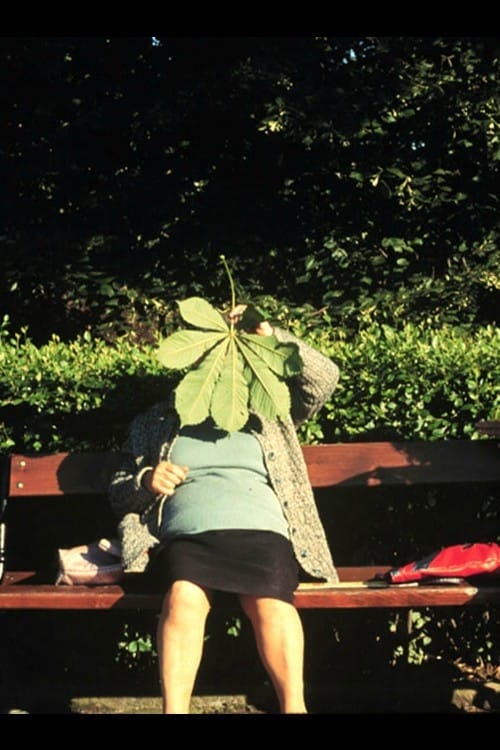
“Past Perfect” is a spirited meditation on the elusiveness and inaccessibility of (Jewish) history as conveyed through sightseeing tours of “Jewish” Poland, a grandmother’s recollection of life in America during War II, and memoir-like “last moments” of a great aunt believed to…
No cast information available.
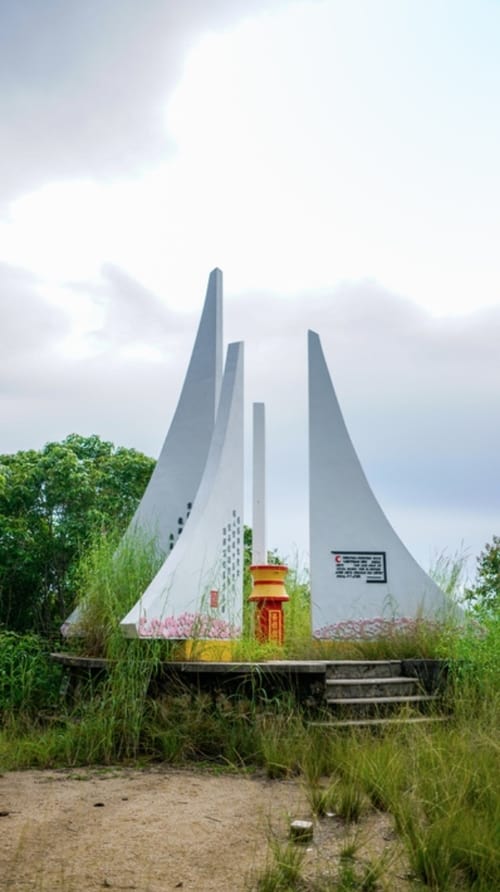
The Island is a short film shot entirely on Pulau Bidong, an island off the coast of Malaysia that became the largest and longest-operating refugee camp after the Vietnam War. The artist and his family were some of the 250,000 people who inhabited the tiny island between 1978 and 1991; it was once one of the most densely populated places in the world. After the United Nations High Commissioner for Refugees shuttered the camp in 1991, Pulau Bidong became overgrown by jungle, filled with crumbling monuments and relics. The film takes place in a dystopian future in which the last man on earth - having escaped forced repatriation to Vietnam - finds a United Nations scientists who has washed ashore after teh world’s last nuclear battle. By weaving together footage from Bidong’s past with a narrative set in its future, Nguyen questions the individual’s relationship to history, trauma, nationhood, and displacement.
Fixed and symmetrical shots make up the world where a beast wanders into the different stages of a scientific testing that has been exposed to. Human figures appear in harmless and impersonal spaces where they modify the animal biologically, without uttering words. Nowadays, man only seems to move around a constant improvement, a search for improving the nature that surrounds us, thinking about the possibility to taste a celestial candy.
The film takes us through the working day of protagonists, factory workers. Their basic working tool is their body, ready to execute strenuous manual tasks. Day after day the same story, the same faces, the same spaces, the same tasks. Feeling confined, they seek a sheet anchor, a way out, an escape. They venture into the unknown, dance, drift and float in the air.
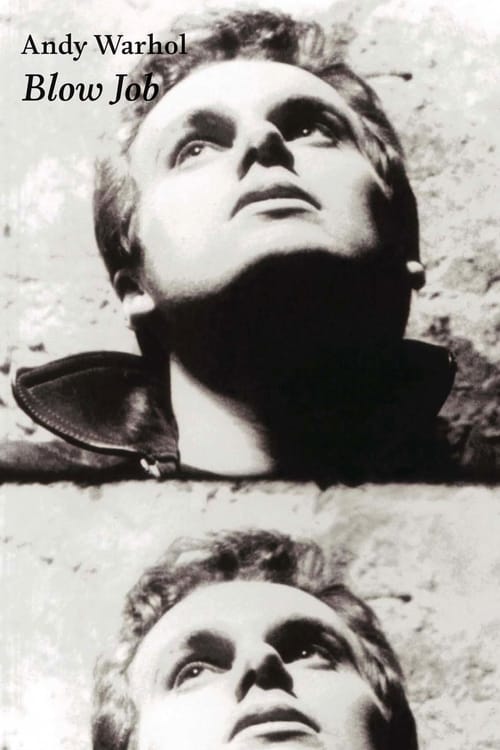
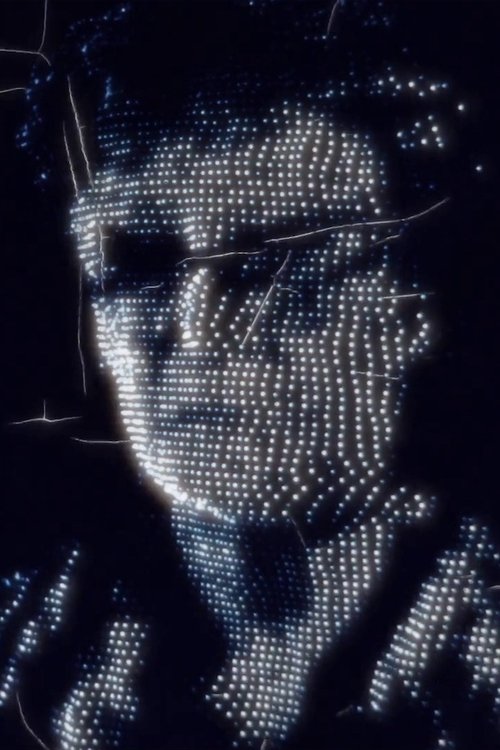
We live with stories. And it's hard for us to give up on these stories, which provide us our identity, a way of understanding ourselves. Reflections from three successive generations are dusted off and presented as remaining fragments. An attempt to archive thoughts on familial history, narrative traditions, human perception and "the story" from known and unknown sources. "There is history behind it and the history becomes the story and the story becomes the pattern and the pattern becomes rigidity."
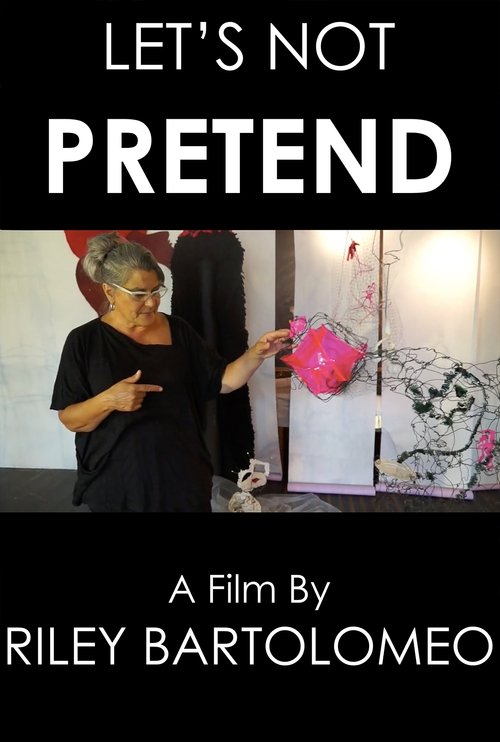
"Let's Not Pretend" is a film by Riley Bartolomeo about acclaimed artist Susan Calza. This documentary follows this award and fellowship grant winning artist to discover the autobiographical stories which lay beneath her art. Moreover, the film emphasizes the importance of art in our communities, country and world!
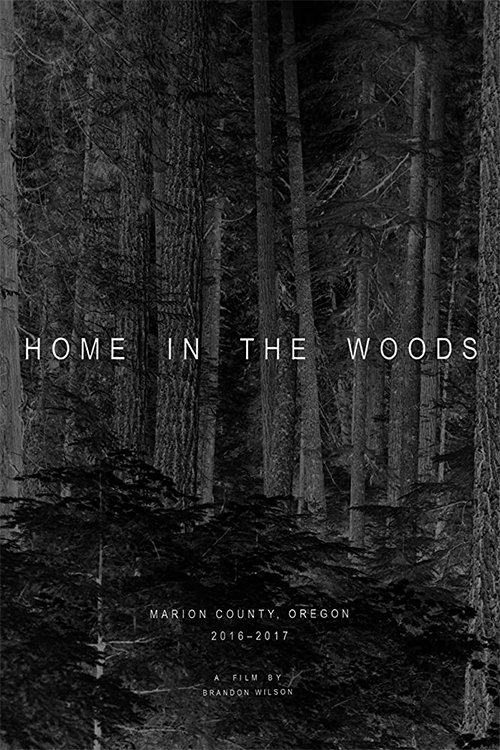
Using only nature and his immediate surroundings, filmmaker Brandon Wilson creates an experimental documentary that ignites the imagination of wandering in nature, and creates a loving portrait to the woods he calls home. Over the course of a year, Wilson set out to document— and accentuate—his surroundings through camera filters, angles, repetition, and audio. The end result is a hypnotic journey through the hidden wonders and beauties of the Northwest forests, in vivid colors and immaculate black-and-whites.
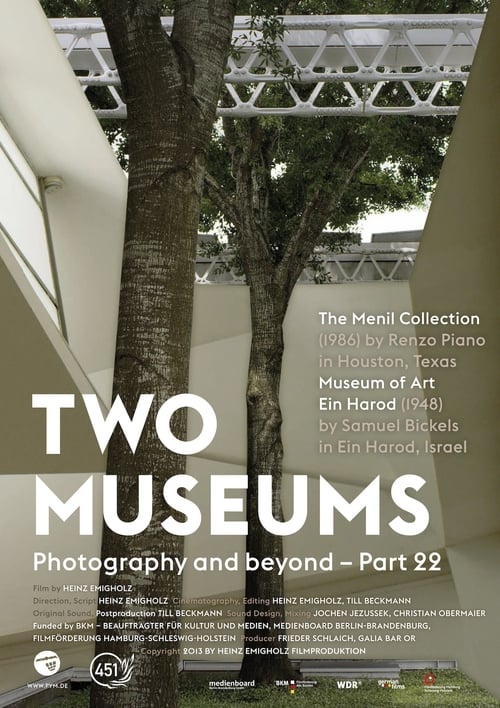
The film juxtaposes/compares two museums: The Museum of Art, Ein Harod, Israel, which Samuel Bickels (1909-1975) built there in 1948, and The Menil Collection in Houston, Texas, built by Renzo Piano (b. 1937) 1986 . The method of natural lighting in Bickels‘s construction was the direct model for Piano, who adopted for his construction at the request of its patroness Dominique de Menil.
A sampling of forty-nine fragments from Frampton's catalogue of 'actualities', the films from STRAITS OF MAGELLAN: "DRAFTS AND FRAGMENTS" are all silent and unedited. Several invoke, directly, the work of the Lumieres, as in Frampton's reworking of DEMOLITION D'UN MUR (1895) in which a dilapidated farm silo is demolished in place of the Lumieres' wall. He makes reference to his own work and plays homage to the work of contemporaries. A complex range of formal issues are raised in other fragments. Finally, Frampton offers a number of analogues for the act of filming and cinematic seeing that includes a series of appropriated 'lenses' ( a stone portal, a wooden silo) and a set of 'screens' a pool of water, curtains, a dusty window).