

Loading titles…
Documentary
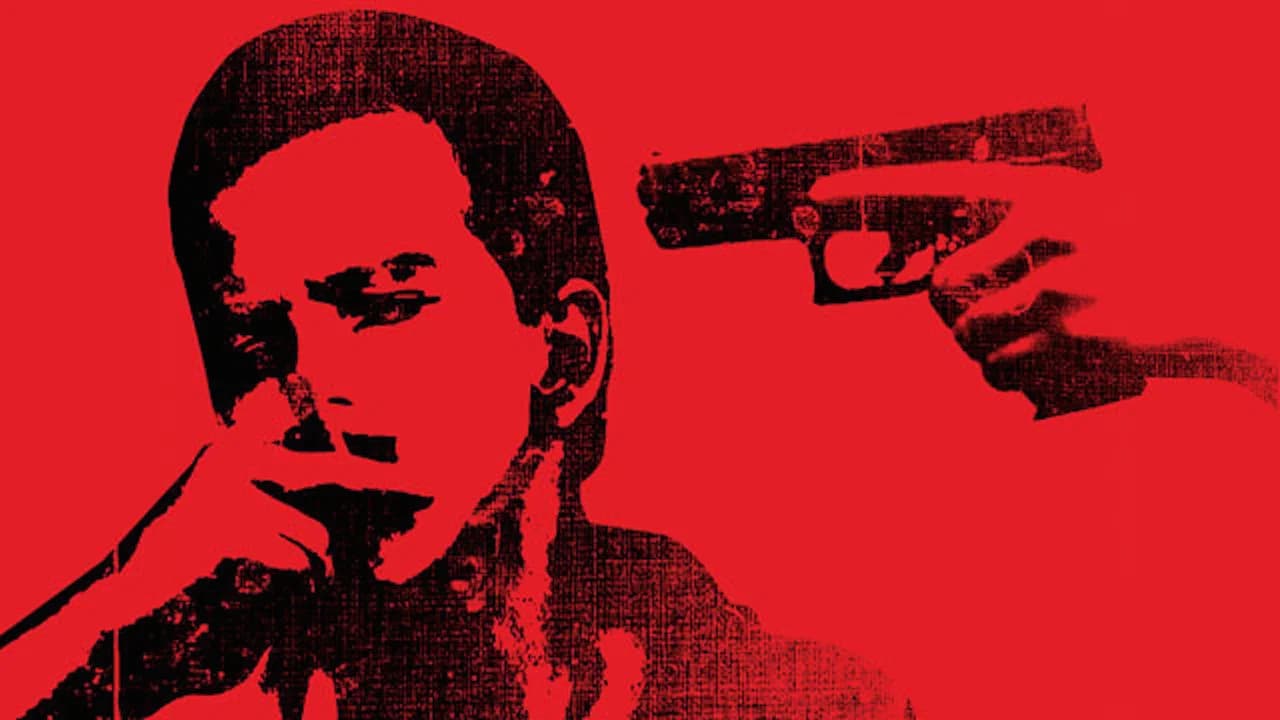
This documentary reveals the most violent part of the most violent city (Medellin) of the most violent country (Colombia) in the world. For around 75 minutes, different people from Medellin explain how difficult it is to live and survive in a city where violence, weapons,…

No cast information available.


María is an Amorúa girl; an indigenous group that traveled the savannas of Orinoquía as nomads. She lives with her grandmother Matilde, her sister diana and her cousins in Puerto Carreño, in the Colombia-Venezuela border. The amorúa are considered wild and are not literate. Matilde wants her granddaughters to learn to write and read to live better in this town of "rational whites" as they call us. The director follows María's life for 8 years from her childhood to her adolescence and invites her to travel the places her grandma did as a nomad.

After 52 years of armed conflict the FARC guerrillas are about to hand over their arms in exchange for political participation and social inclusion of the poor. Ernesto is one of them. The much celebrated Colombian peace agreement throws Ernesto and the polarised society around him into chaos in which everyone is afraid of the future and their own survival.

The village of Tamaquito lies deep in the forests of Colombia. Here, nature provides the people with everything they need. But the Wayúu community's way of life is being destroyed by the vast and rapidly growing El Cerrejón coal mine. Determined to save his community from forced resettlement, the leader Jairo Fuentes negotiates with the mine's operators, which soon becomes a fight to survive.

In the darkness of a long night, the Colombian country shows another face. An invisible world takes the place of the other one. So one better stays at home and open his ears: half-human and half-beast, something is wandering in the dark. Only some people are able to face it. During her whole life, Carmen was one of them...

Colombia will never be the same after those 61 days of the Social and Community Minga, which began on October 11, 2008, and culminated in Bogotá’s Plaza de Bolívar. From Cauca, the people of thought, speech, and dignity rose up to reject—in solidarity with “Another Colombia”—the state policies that, through terror, subject them to hunger and misery. As expected, the government responded with terror to a peaceful mobilization, and its actions left two dead and 120 injured.

In the mid-1980s, peace initiatives between the Colombian government and the guerrilla group, FARC, led the latter to disband after two decades of fighting and establish a legal-political party, the Union Patriótica (Patriotic Union). As the UP met with some successs in local elections, it became a target of right-wing death squads and paramilitaries. So far, 3,000 UP members have been murdered or have disappeared, making it a case of political genocide unparalleled in the world. The documentary "The Red Dance" views, through the memories of survivors and relatives of victims, this period of terror and assassination. While FARC has reverted to war, a petition is pending before the Inter-American Commission on Human Rights (IACHR) regarding human rights violations by the State of Colombia.

The North of Cauca is the region of Colombia most affected by the internal armed conflict since 1940. There is an orchestra of ancestral music composed of young indigenous people of the Nasa ethnic group who, with their instruments, their voice and their poetry, remember Maryi Vanessa Coicue, Sebastian Ul and Ingrid Guejia, three of the hundreds of indigenous children who have died because of this eternal and useless war between leftist guerrillas, armed groups of the extreme right, drug traffickers and the Colombian State.

