

Loading titles…
Narrator (voice)

Narir Kotha is an exploration of the experience of women in the Bangladesh Liberation War of 1971. During the war, thousands of women were systematically raped and tortured by the Pakistan Army and their collaborators. But they were not only victims of sexual violence, they were also in the front lines of the popular resistance against the occupying Army, as fighters and martyrs. Narir Kotha is an attempt to explore some of these stories, through the words of the women themselves.
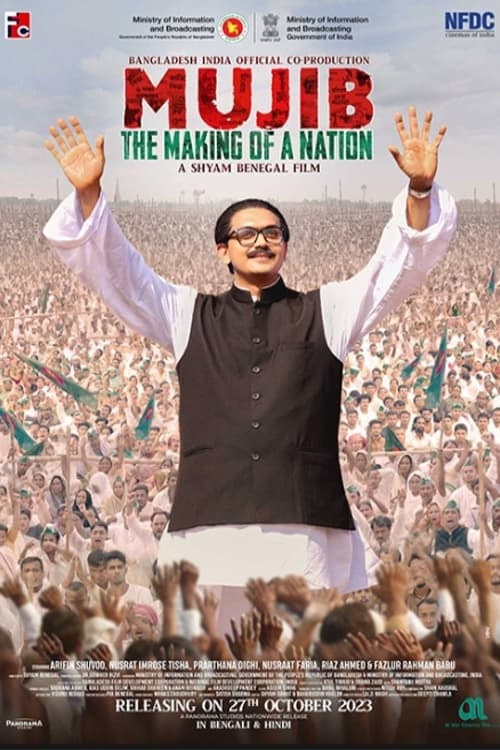
Biopic on the father of the nation of Bangladesh, Sheikh Mujibur Rahman. The film will showcase his growing up as a child to his standing up against all injustice in his youth to fighting for the independence of his country. How he led a country to it's independence with his inspirational presence and fight for the justice.

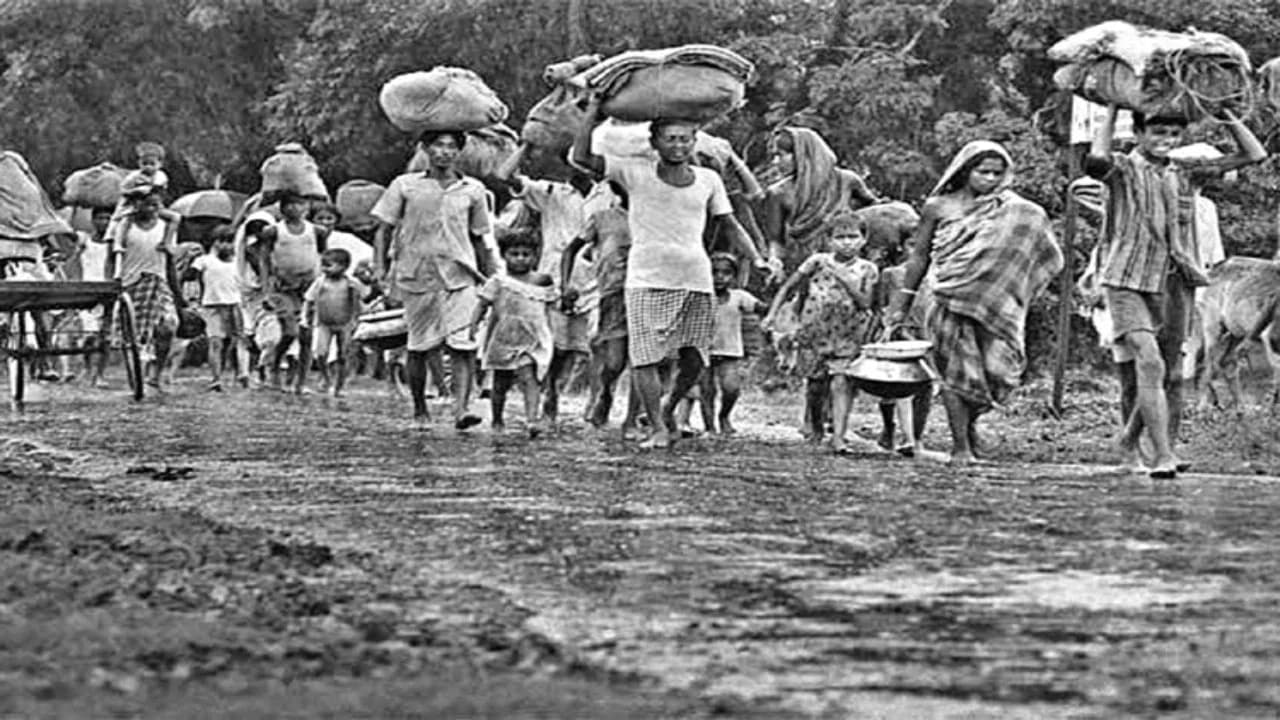
March 25th 1971, a horrific 'Genocide' was unleashed on the unarmed civilians of East Pakistan. This was done by their own Pakistani Army. An estimated 3 million people were killed, 10 million people were displaced to India as refugees and 400,000 women and girls were raped by the Pakistani soldiers. But Pakistan was not alone in perpetrating this violence. The then-American president and the National Security Advisor were supporting the Pakistani dictator. The cold war triggered this geopolitical escalation. Finally, India pressurized by the 10 million refugees within its borders, went to war with Pakistan. and joining forces with the local rebels, the Mukti Bahini, helped liberate Bangladesh. Cradled in the blood of innocents, a new nation was born in the closing days of 1971. "Bay of Blood", brings this 50-odd-year-old story to life.
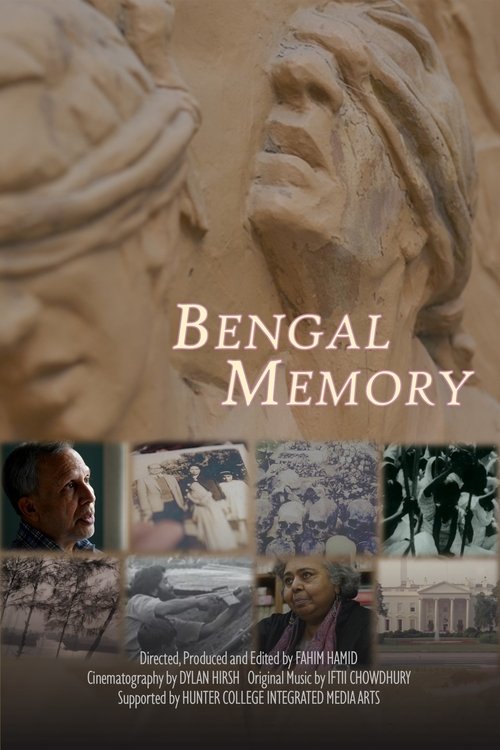
A Bangladeshi American undertakes a journey to learn about the liberation war in his native country, traveling there for the first time in nearly two decades, and uncovering the controversial role the U.S. played in a forgotten genocide that occurred there over 50 years ago. From 1971 to the present day, this is a story of Bangladesh’s independence, a family’s journey immigrating to America, and the cognitive dissonance of a person belonging to both homelands. Driven by interviews with his father and other family members, along with experts and witnesses, archival videos, declassified recordings, and animations, BENGAL MEMORY is a unique and untold oral history through a personal lens.
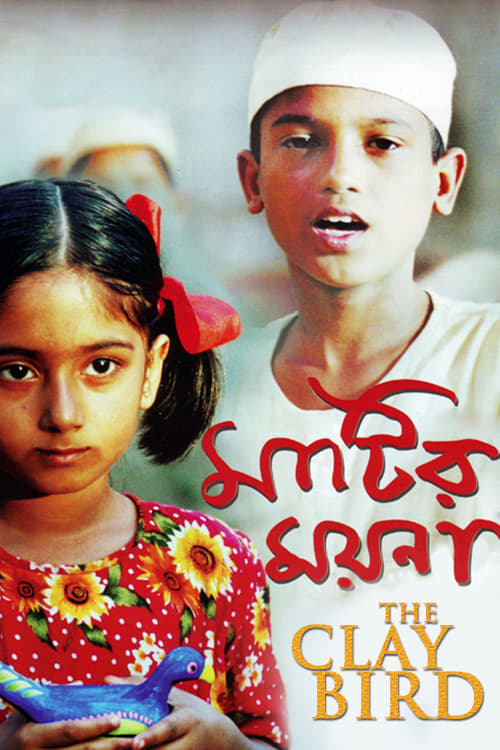

The film tells the story of the legendary 'Shadhin Bangla Football Team' founded during the 1971 Liberation War of Bangladesh. They played friendly matches across India to raise funds which would be used in the war. The film also portrays the personal lives of few players of the team and their struggle and losses during the war. Though the film is inspired by true events, it takes cinematic liberty and mixes fiction with reality as well.

Stephen Glass is a staff writer for the respected current events and policy magazine The New Republic and a freelance feature writer for publications such as Rolling Stone, Harper's and George. By the mid-90s, Glass' articles had turned him into one of the most sought-after young journalists in Washington, but a bizarre chain of events - chronicled in Buzz Bissinger's September 1998 Vanity Fair article - suddenly stopped his career in its tracks.
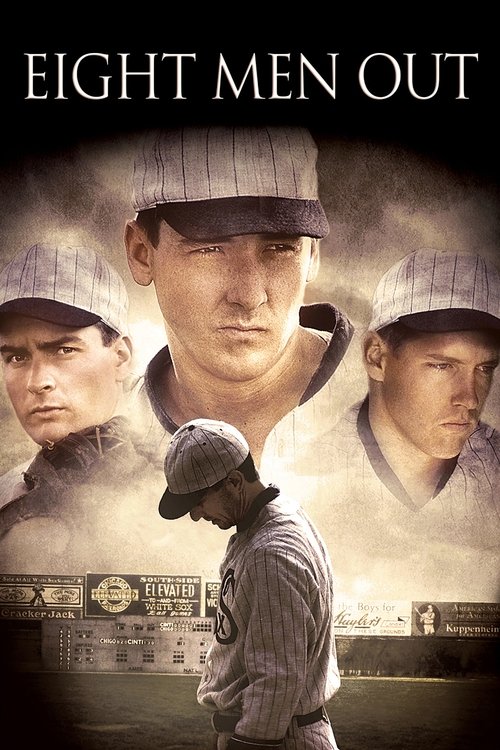
Buck Weaver and Hap Felsch are young idealistic players on the Chicago White Sox, a pennant-winning team owned by Charles Comiskey - a penny-pinching, hands-on manager who underpays his players and treats them with disdain. And when gamblers and hustlers discover that Comiskey's demoralized players are ripe for a money-making scheme, one by one the team members agree to throw the World Series. But when the White Sox are defeated, a couple of sports writers smell a fix and a national scandal explodes, ripping the cover off America's favorite pastime.