
Giuseppe Fiorello
Sante Pollastri
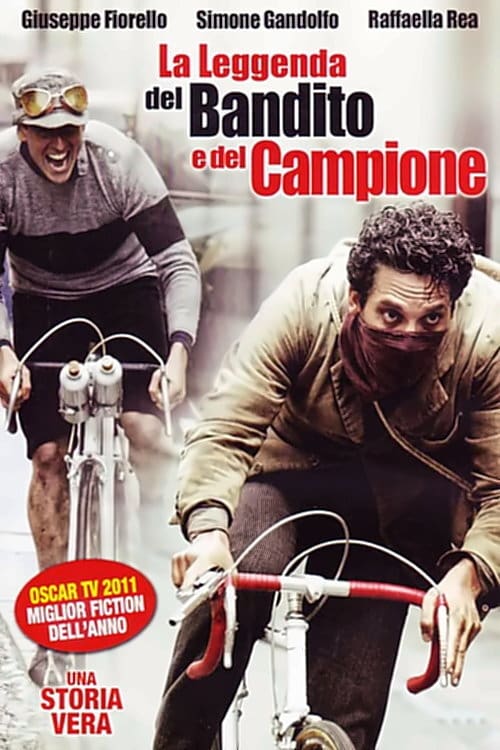
This is the story of two poor, hungry young people, as well as their desire for social reward in Italy in the early twentieth century. This is the story of the passion for the cycling that joined them, and the adventurous events that shared them forever. The two boys were called…
Sante Pollastri

Costante Girardengo

Mela

Agostina

Maciste

Padre di Costante

Biagio Cavanna

Madre di Sante
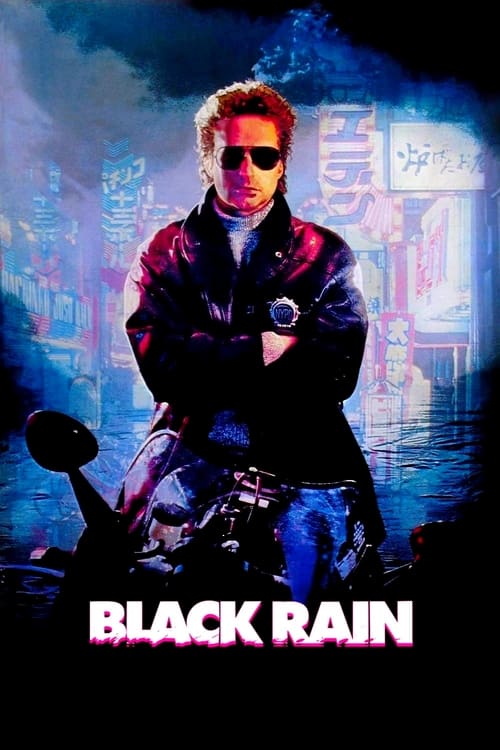
Two New York cops get involved in a gang war between members of the Yakuza, the Japanese Mafia. They arrest one of their killers and are ordered to escort him back to Japan. However, in Japan he manages to escape, and as they try to track him down, they get deeper and deeper into the Japanese Mafia scene and they have to learn that they can only win by playing the game—the Japanese way.

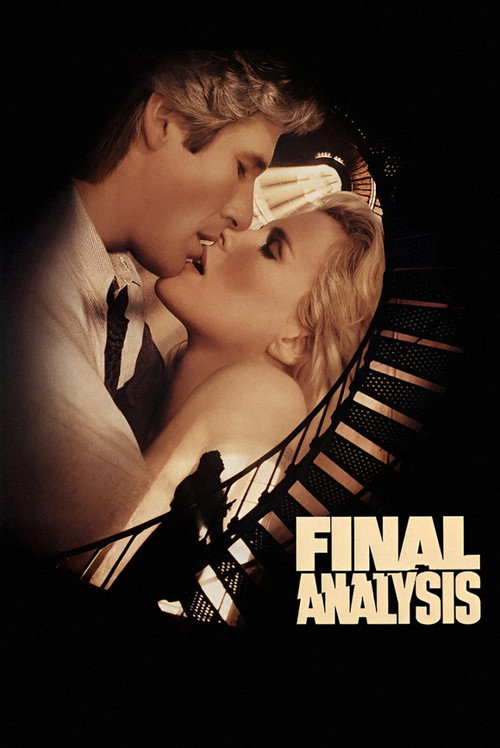


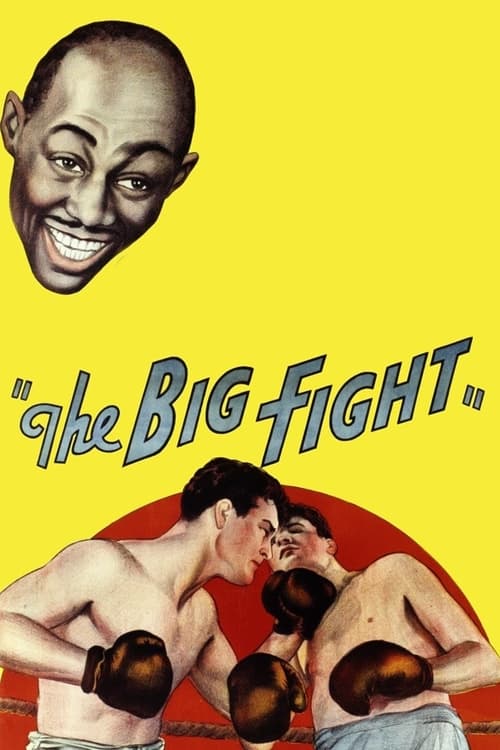
Based on the David Belasco stage production of the Max Marcin play in which heavyweight-champion Jack Dempsey played the role of the fighter, Tiger: This "behind-the-scenes look of a heavyweight-championship fight" looks much like all of the other boxing films in which the Champ gets involved in a frame-up and is asked to take a dive.
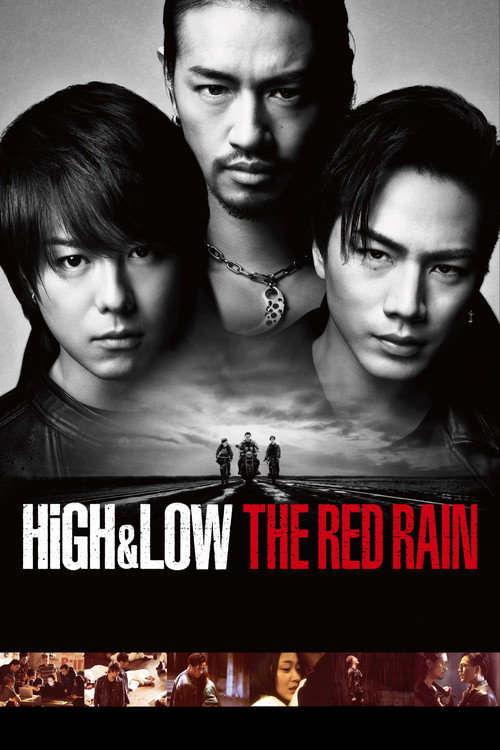
The Amamiya Brothers, Masaki and Hiroto, keep looking for their older brother Takeru who disappeared one year ago. The three Amamiya brothers lost their parents when they were young. Since then, they relied only on each other. On the anniversary of their parents' death, Masaki and Hiroto expect Takeru to appear. Instead, they meet a person who has a clue on Takeru's whereabouts.
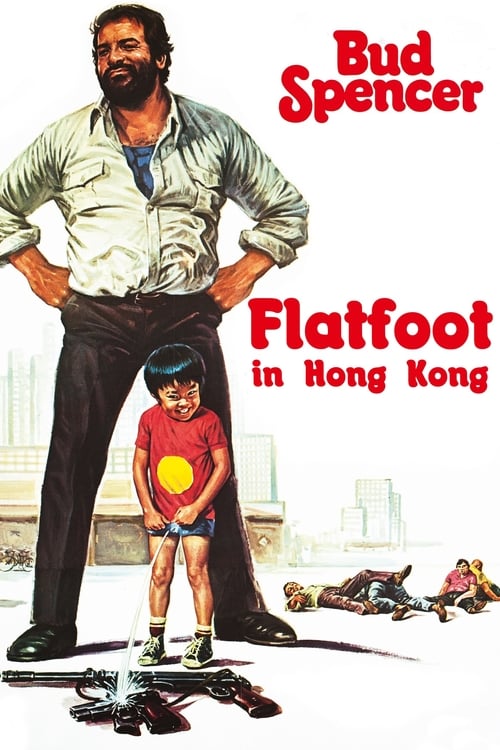
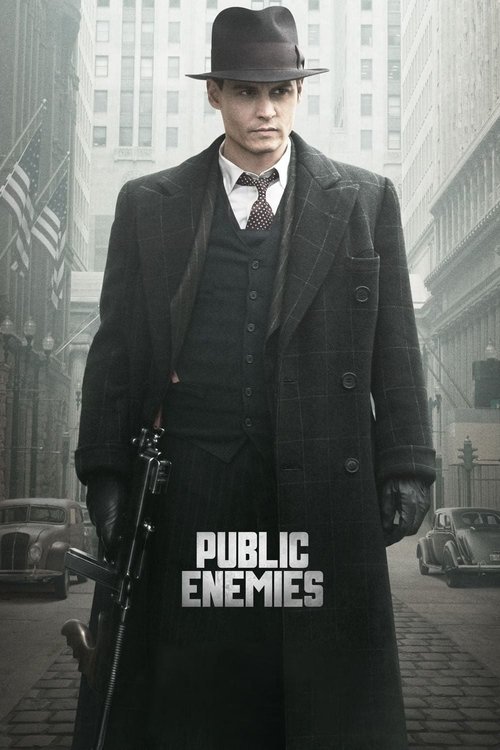
Depression-era bank robber John Dillinger's charm and audacity endear him to much of America's downtrodden public, but he's also a thorn in the side of J. Edgar Hoover and the fledgling FBI. Desperate to capture the elusive outlaw, Hoover makes Dillinger his first Public Enemy Number One and assigns his top agent, Melvin Purvis, the task of bringing him in dead or alive.