Loading titles…
Documentary
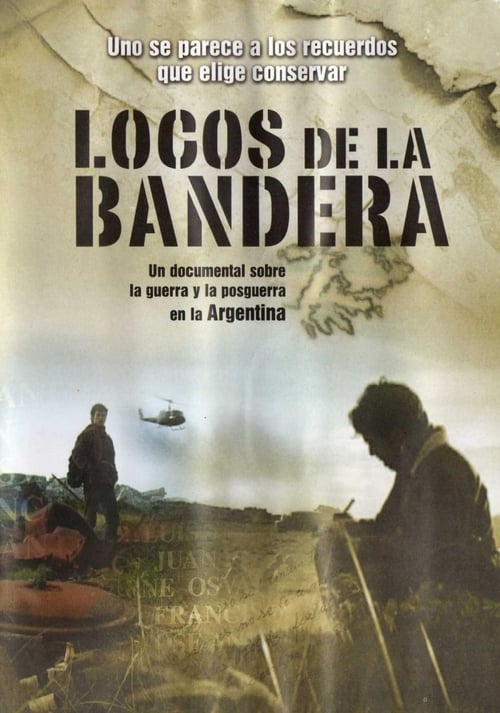
The story of the relatives of the 649 Argentine fallen in the Malvinas War, who as soon as the military conflict ended, found themselves alone with their pain and prevented from approaching the grave of their loved ones, either because their bodies were left in the Cemetery of…
Cast
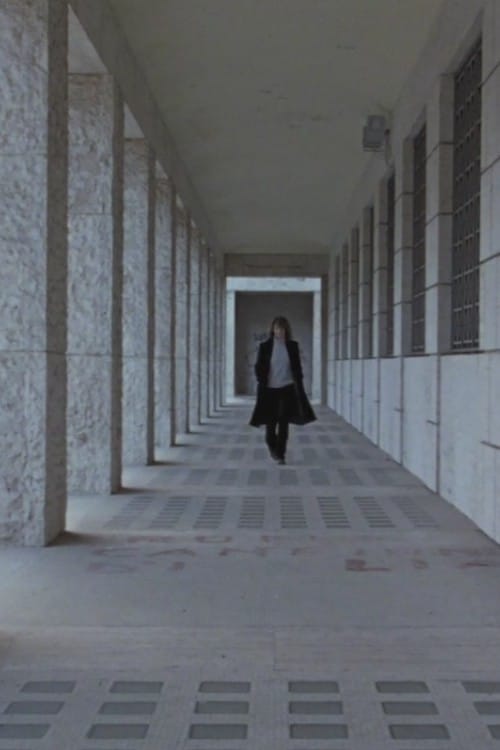
E42 is a cinematic exploration of the area in Rome knows as the EUR, a modernist landscape that was originally designated by Mussolini as the the site of the World Fair of 1942 and as a celebration of the 20 year anniversary of Fascism. Originally designed as a monumental space for public performance and collective acts of solidarity to the Fascist regime, this landscape was in fact never inaugurated. After the war, the 420 acre area was recuperated and today projects a timeless aura of an unfinished and temporary, empty and silent, monumental and imposing as well as an ephemeral landscape.
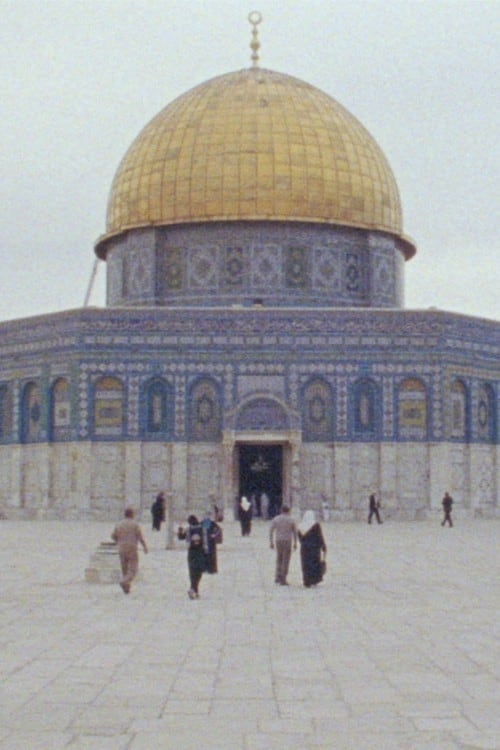
ḤARAM is an essay film portraying the urgent contemporary situation at the Haram Al Sharif/ Noble Sanctuary in the Old City of Jerusalem reflecting on the growing Temple Mount Faithful movement whose goal is to build the Jewish Third Temple on this holy landscape and in turn to assert Jewish sovereignty over this holy Muslim site.
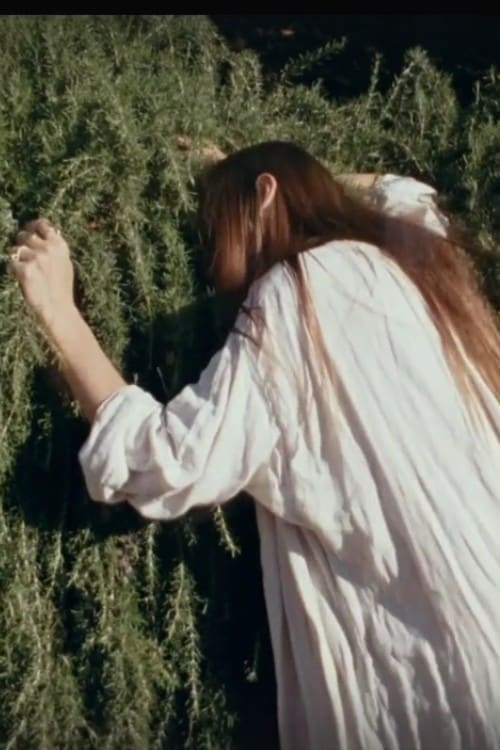
VIVA ÁGUA is a meditation on the philosophical work entitled ÁGUA VIVA written by Clarice Lispector in 1973. The film reflects on Lispector’s interior experimental monologue on the “instant-now” of time, the discomforts of language which are “beyond thought” and the harmonious dissonant reminders and remainders of that “sometime what is seen is ineffable.”
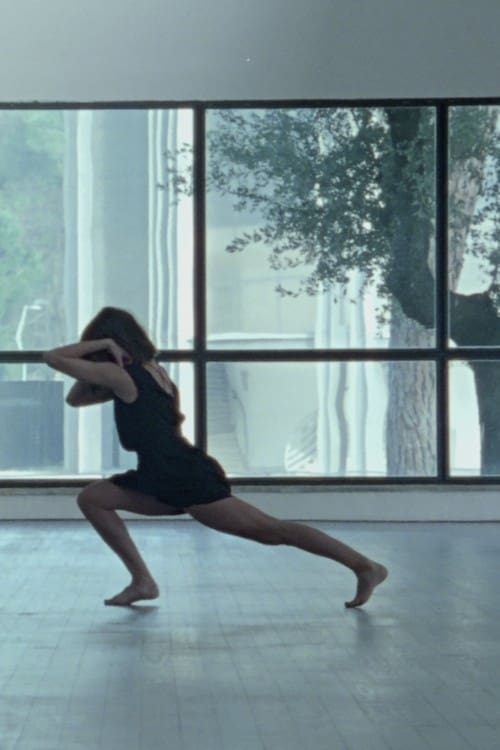
Anna, Pina, Teresa reinterprets the pivotal scene in Rossellini’s “Roma Città Aperta” where Anna Magnani, who plays the character Pina, (based on the story of Teresa Gullace,) is murdered on the streets of Rome by the Fascist police. This scene is characterized by three movements performed by Magnani — resistance, running and falling. Filmed in the Sala Scherma at Foro Italico in Rome (Mussolini’s fencing studio designed by Moretti) Anna, Pina, Teresa examines the contemporary and historical dynamics between an urban Fascist space and movements of resistance.
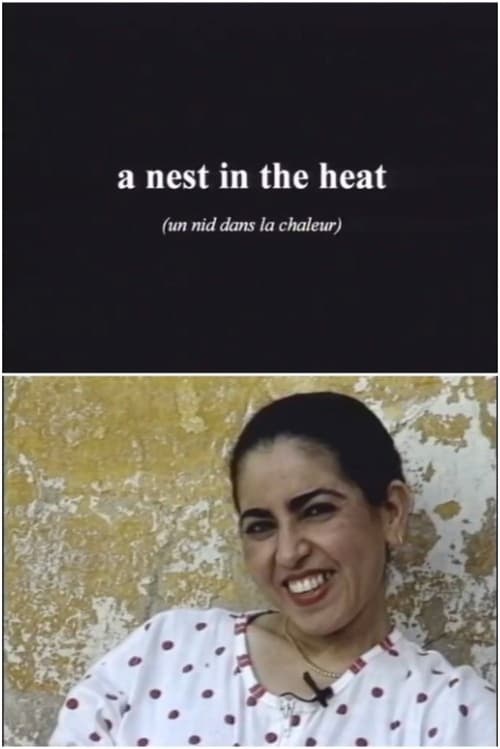
As director Hakim Belabbes chronicles his journey from his home in Chicago to visit his family in his hometown of Boujad in Morocco, his exploration of family relationships is self-conscious and at times painfully honest. We witness his most private moments with his family. The film intimately explores the domestic spaces and religious rituals of intra-family relationships, especially when compounded by one member's break with traditional values.
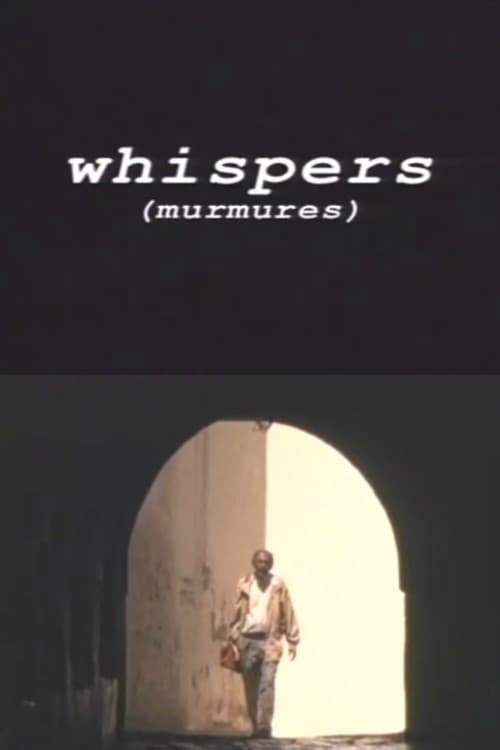

A single female voice sings of waiting in her garden for her ‘dark-eyed sailor’ to return from war, bearing the other half of their token, a gimmel ring. Three veterans pass on the road as she waits, and she asks them: “When you were fighting in distant lands, did you think of the home you left?” In reply the veterans relate their recollections. The garden images in the accompanying film represent ‘home’, but also stand for a more general possibility of redemption, of the potential of the past to return at any time, disguised and changed, to renew the present: “Each moment of time is a garden gate,” the song goes, “Through it my love may walk.”

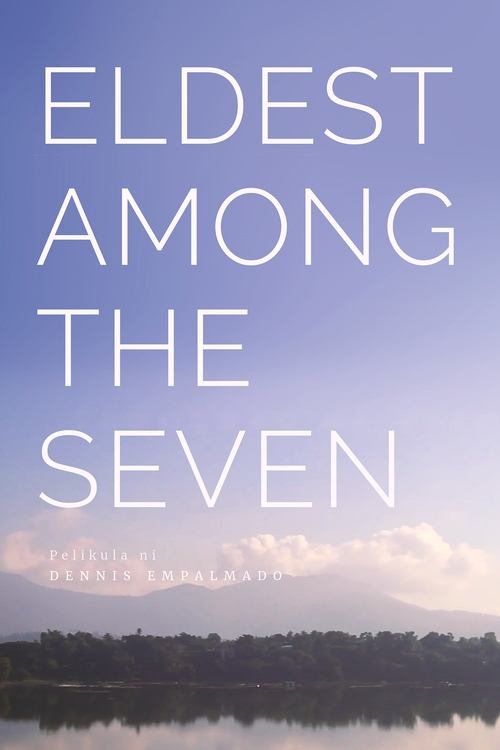
Sampaloc Lake - the most prominent of the seven lakes of San Pablo City has provided shelter, employment and inspiration to its immediate community for countless decades. In return, the natural resource suffered from indiscriminate use of the residents themselves and the consequences of rapid urbanization. Recently, the local government have implemented a clearing of all residential structures within the legal easement of the dying lake to pave the way for a tourism master plan that endeavors to balance revenue and environmental protection. In the eve of the clearing operations, film maker Dennis Empalmado documented the final musings of the residents, advocates, and artists whose lives revolved around the 99 hectare crater lake.