Loading titles…
Documentary
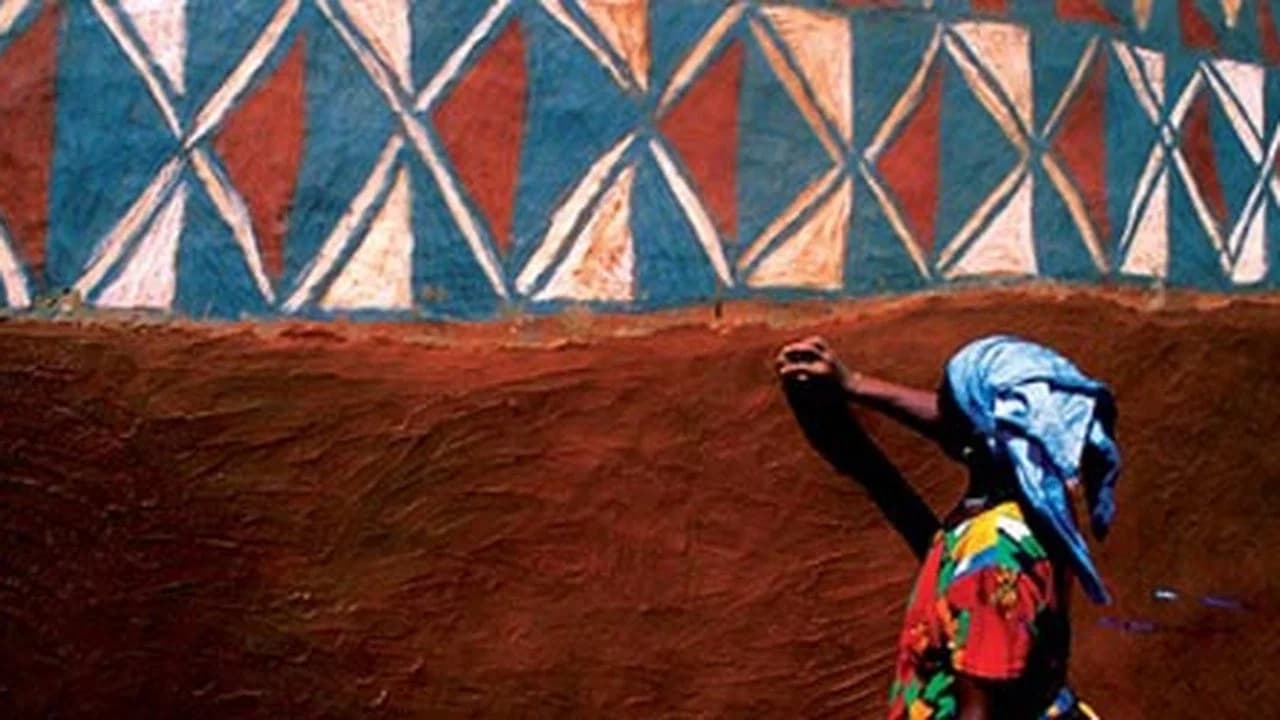
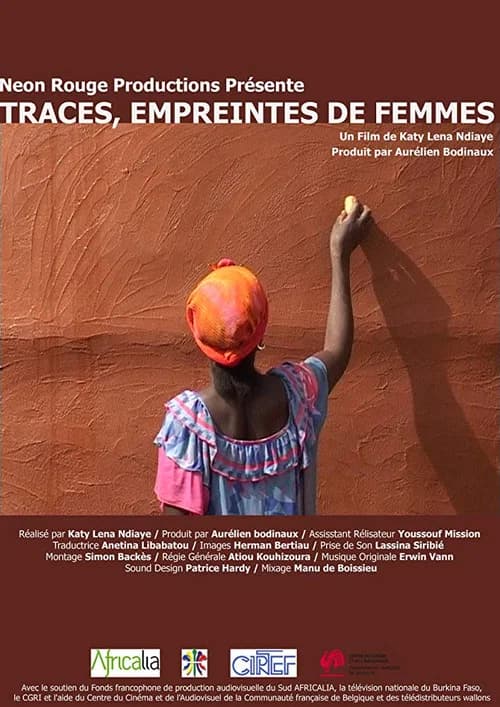
« Traces, women's imprints » is a film that ventures to the discovery of three grandmothers kassenas (Burkina Faso,) their granddaughter, and the exclusively feminine art of this region's mural paintings. Between these women's portraits and a traditional art form, « Traces » is…
No cast information available.

María is an Amorúa girl; an indigenous group that traveled the savannas of Orinoquía as nomads. She lives with her grandmother Matilde, her sister diana and her cousins in Puerto Carreño, in the Colombia-Venezuela border. The amorúa are considered wild and are not literate. Matilde wants her granddaughters to learn to write and read to live better in this town of "rational whites" as they call us. The director follows María's life for 8 years from her childhood to her adolescence and invites her to travel the places her grandma did as a nomad.

Documentary looking at a century of cycling. Commissioned to mark the arrival of the 2014 Tour de France in Yorkshire, the film makes full use of stunning British Film Institute footage to transport the audience on a journey from the invention of the modern bike, through the rise of recreational cycling, to gruelling competitive races. Award-winning director Daisy Asquith artfully combines the richly-diverse archive with a hypnotic soundtrack from cult composer Bill Nelson in a joyful, absorbing watch for both cycling and archive fans.
The author Jurga Ivanauskaitė (1961-2007) was considered a pioneer of contemporary Baltic literature well beyond the borders of Lithuania. Her work deals intensively with the tension between religion, sexuality and emancipation. Film documents and interviews serve to reconstruct the life of this independent and willful woman - from her childhood to her artistic breakthrough as a companion of the Lithuanian rock and punk scene, but also depicting her spiritual side, which brought her all the way to India, where she turned to Buddhism. She is shown as fighting for the Dalai Lama and a "free Tibet", shown as a literary mind, but first and foremost she is shown as a woman who stood bravely in the face of inconvenience, pain and inner demons.

“It ain’t easy…being green” is the favorite expression of Stormé DeLarverie, a woman whose life flouted prescriptions of gender and race. During the 1950s and '60s she toured the black theater circuit as a mistress of ceremonies and the sole male impersonator of the legendary Jewel Box Revue, America’s first integrated female impersonation show and forerunner of La Cage aux Folles.
In February 2005, YouTube was launched and forever changed our relationship to moving images, both as viewers and producers. But even well before then, the web had made a large variety of new materials accessible to see and to download, as well as upload. “From the Cloud” is a video program that looks at found footage “films” in the Internet Age. The proliferation of archived photographs, digital images, and videos made available to everyone online as well as an exponential increase in production has changed the way artists interact with pre-existing material. The artists in this program both pull material from the cloud and implicitly comment on the cloud by doing so.
Initially airing on HBO's "America Undercover" series, this riveting documentary focuses on three families shattered by the psychiatric disorder of schizophrenia. Subjects "Bob," "Missy" and "Steven" have lived for over a decade with schizophrenia. The film documents the difficult day-to-day existence of both those afflicted with this order and the families searching for answers to their loved ones' suffering. This film also shows the varied and variably successful treatment methods for each of the subjects—one is placed in a group home, one is placed in an institution, and one is cared for at home. The documentary was critically acclaimed for its compassionate treatment of mental illness.
Seven young women from Berlin discuss their experiences with the pill in a studio setting and react to the ideas that young men of the same age have about this contraceptive. The film is based on the work of the women's group "Brot und Rosen" and their book "Frauenhandbuch Nr.1 Abtreibung und Verhütung".
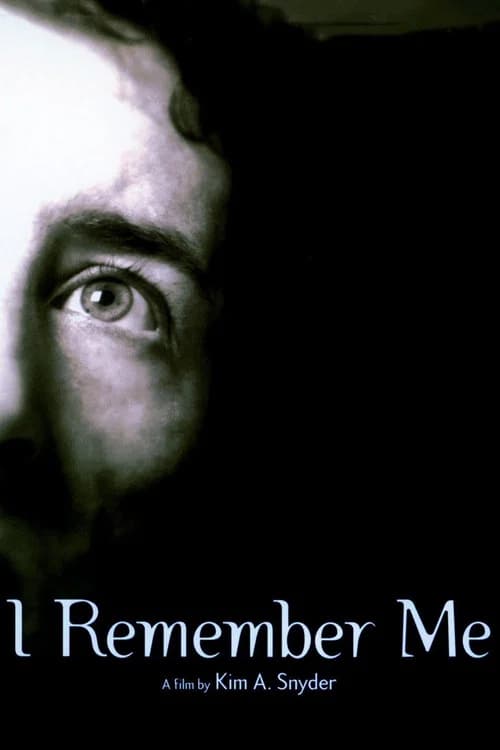
In 1984-85, people at Lake Tahoe fell ill with flu symptoms, but they didn't get better. Medical literature documents similar outbreaks: in 1934 at LA county hospital, in 1948-49 in Iceland, in 1956 in Punta Gorda, Florida. The malady now has a name, chronic fatigue syndrome, and filmmaker Kim Snyder, who suffered from the disease for several years, tells her story and talks to victims and their families, and to physicians and researchers: is it viral, it is psychosomatic, is it one disease or several (a syndrome) ; what's the CDC doing about it; what's it like to have a disease that's not yet understood? Her inquiry takes her to Punta Gorda and to a high-school graduation.
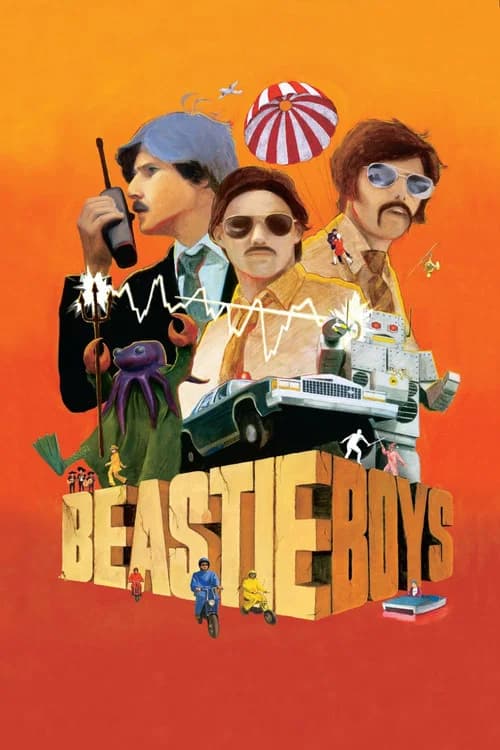
The Beastie Boys are among the most influential groups of the last two decades. As their music has opened hip-hop to a wider audience and changed the parameters of its sound, their ambitious music videos have carried the medium to new levels of artistic expression. This groundbreaking two-disc anthology showcases eighteen videos containing alternate visual angles and multiple audio tracks. Loaded with never-before-seen footage and unreleased music tracks, this special edition also contains a trove of rare still photos and exclusive audio commentary by the band and the video directors.
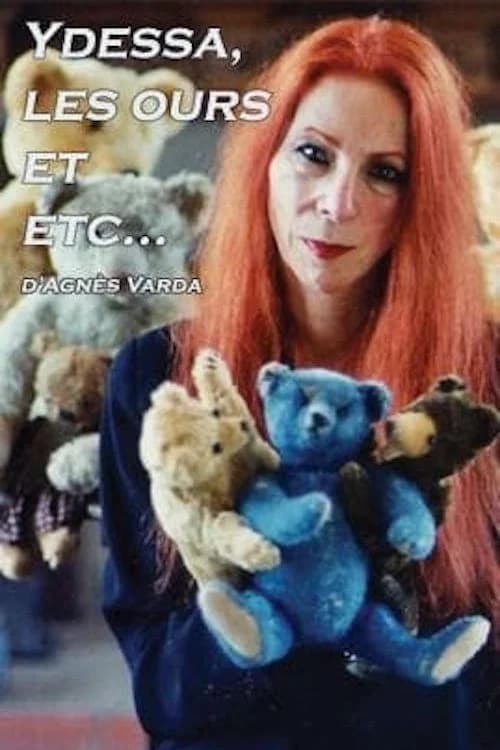
Ydessa Hendeles' exhibition entitled "The living and the Artificial" (consisting of works of art all comprising a photograph of living persons in the company of one or several teddy bears) had puzzled Agnès Varda so much that she decided to go to Toronto where the artist lives and interview her. In front of Agnes Varda's DV camera, Ydessa tells about the singularity of her artistic approach. She also expresses herself about the Holocaust, which both her parents survived.