

Loading titles…

Himself

In the 1970s, Strange Fruit were it. They lived the rock lifestyle to the max, groupies, drugs, internal tension and an ex front man dead from an overdose. Even their demise was glamorous; when lightning struck the stage during an outdoor festival. Twenty years on, these former rock gods they have now sunk deep into obscurity when the idea of a reunion tour is lodged in the head of Tony, former keyboard player of the Fruits. Tony sets out to find his former bandmates with the help of former manager Karen to see if they can recapture the magic and give themselves a second chance.

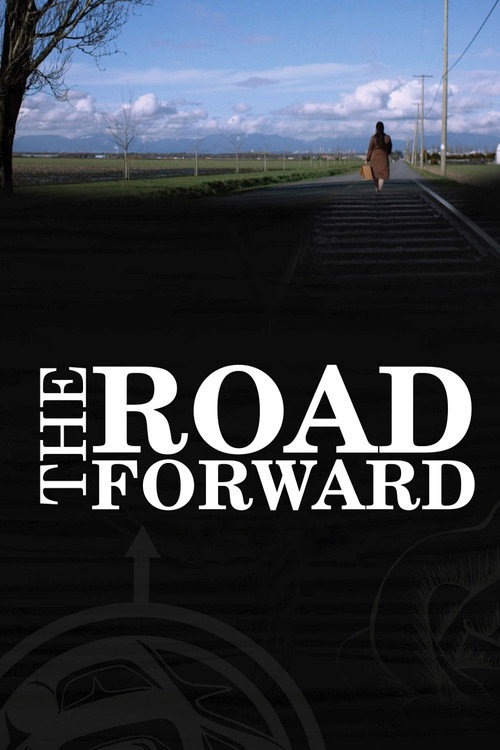
The Road Forward is an electrifying musical documentary that connects a pivotal moment in Canada’s civil rights history—the beginnings of Indian Nationalism in the 1930s—with the powerful momentum of First Nations activism today. Interviews and musical sequences describe how a tiny movement, the Native Brotherhood and Sisterhood, grew to become a successful voice for change across the country. Visually stunning, The Road Forward seamlessly connects past and present through superbly produced story-songs with soaring vocals, blues, rock, and traditional beats.
The point of departure for this film is the 1981 composition De Tijd by Dutch composer Louis Andriessen. Van der Keuken leaves the music undisturbed as an autonomous soundtrack and has the images engage in a sort of battle with it. These images are associations, fragments of events, scenes and situations. The film is preceded by a text by Bert Schierbeek.

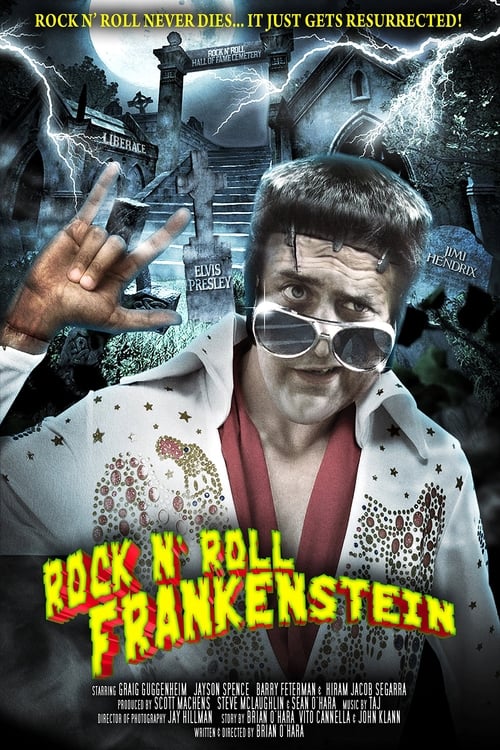
The movie follows Bernie, a record producer who persuades his nephew Frankie to create a new rock star that will help Bernie overcome his work related ennui. Iggy, the burnt out roadie pillages the graves of various celebrities such as Buddy Holly, Jimi Hendrix, and Sid Vicious, using the head of Elvis Presley to top things off. All goes according to plan until a mishap leads Iggy to steal Liberace's private parts instead of those of Jim Morrison. The monster is brought to life and is on the road to rock 'n' roll success when the Liberace side of the monster begins to assert itself, with tragic results. The result: a monster (Guggenheim) with the sex drive of a macho rock star and the sexual orientation of Liberace.
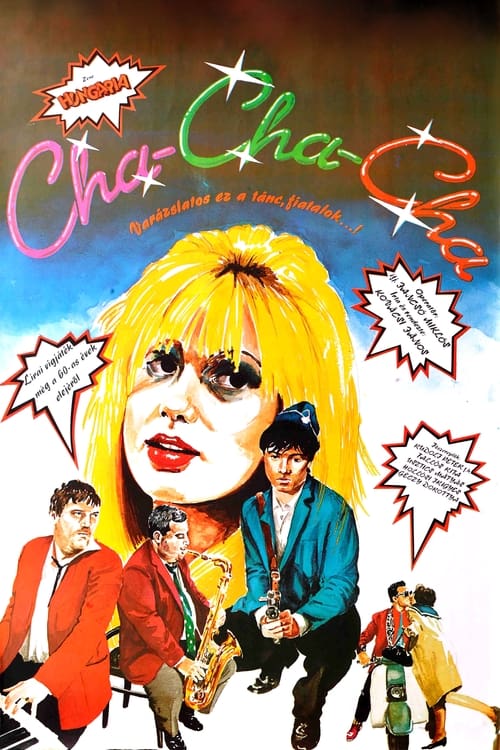
Gruber is a normal 16-year-old growing up in Budapest in 1962, but he has a problem -- how does he get to know the opposite sex? At the Sunday afternoon dance classes the young "ladies and gentlemen" hold each other while dancing, and that makes the lessons worth something. Otherwise, the pianist's attention wanders and the orchestra does not exactly play with a single-minded dedication. In fact, everybody seems to have other things on their minds, except for the enthusiastic dance instructor and his ever-smiling assistant.