
Loading titles…
Documentary / Crime
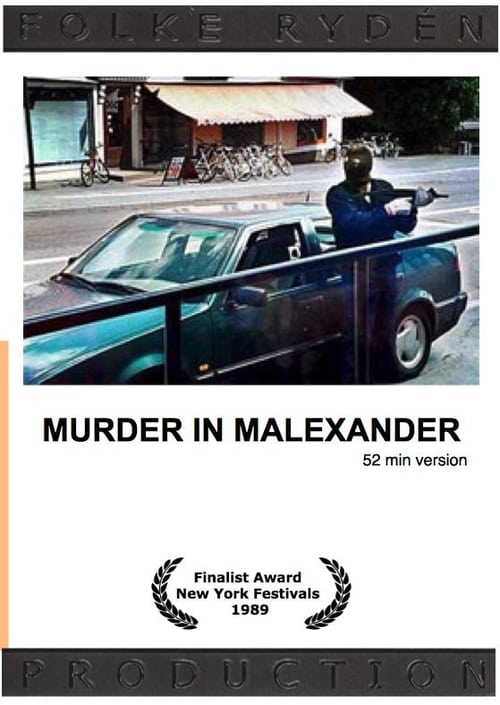
Depicts the controversial double police murder, involving neo-nazism and a theatre project by one of Scandinavia's most celebrated playwrights. The film traces a complex and fascinating chain of events leading up to the fatal climax in the picturesque small town of Malexander,…

Speakerröst

Själv / Förövare / Skådespelare i 7:3

Själv / Förövare / Skådespelare i 7:3

Själv / Förövare / Skådespelare i 7:3

Self / Producent av 7/3
Själv / Regissör / Författare av 7:3
Själv / Verkställande chef på Kriminalvården
Själv / Lokal polischef
Self / Bankkassör
Self / Robert Karlströms Mamma
Self/Olle Borén's Partner
Self/Olle Borén's Daughter
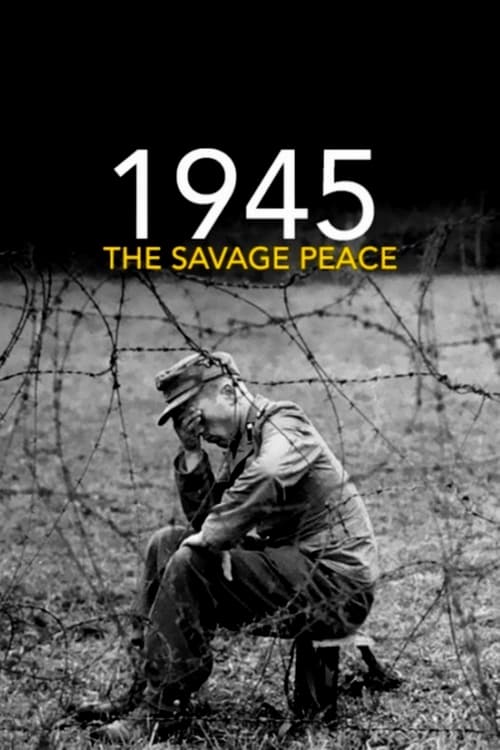
How, in 1945, after the end of World War II and the fall of the Nazi regime, the defeated were atrociously mistreated, especially those ethnic Germans who had lived peacefully for centuries in Germany's neighboring countries, such as Czechoslovakia and Poland. A heartbreaking story of revenge against innocent civilians, the story of acts as cruel as the Nazi occupation during the war years.
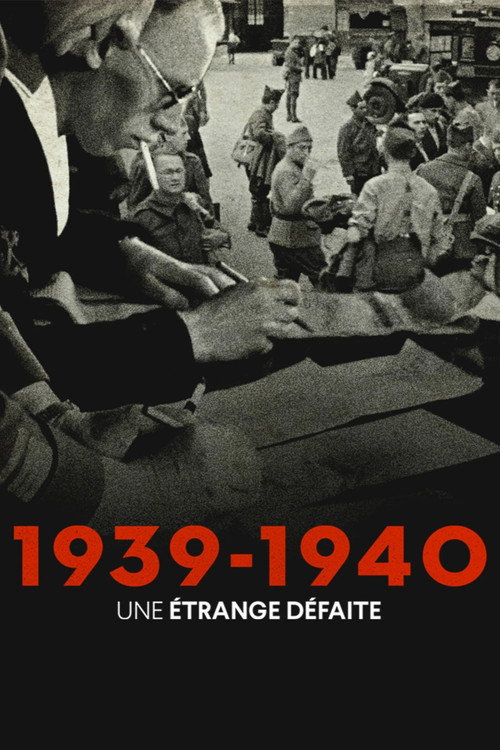
In late summer 1939, the French learned that Adolf Hitler had attacked Poland. On September 3, France entered the war, twenty years after the carnage of World War I. Although France was considered the world’s leading military power, with a vast empire and a powerful ally in the United Kingdom, everyone was overcome with a sense of dread. Yet the fighting would not begin until May 1940 and would end with France’s defeat in June. How did the French people experience those few months—among the most decisive and darkest in the country’s history?
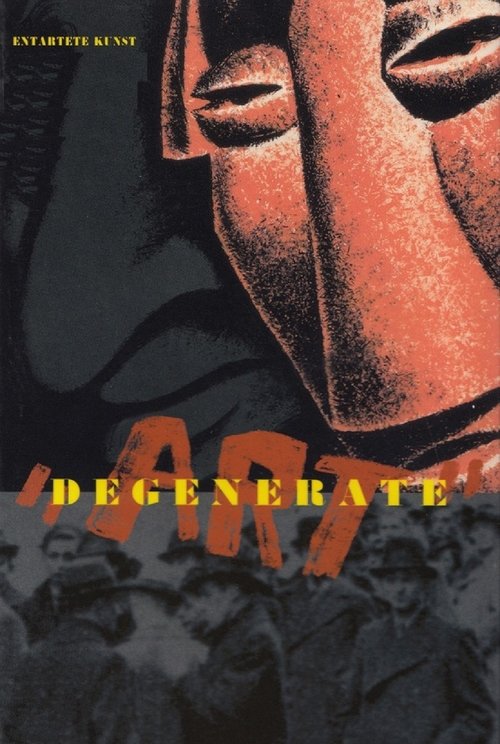
Narrated by David McCullough, this program examines the infamous Entartete Kunst (degenerate art) exhibition mounted by the Nazis in Munich in 1937 and their far-reaching attacks on avant-garde art in Germany. Witness compelling footage of Nazi book burnings, and of the exhibition itself. Includes interviews with historians, art critics, and eyewitnesses to the events that dramatize this powerful story of the Nazis' assault on modern culture.
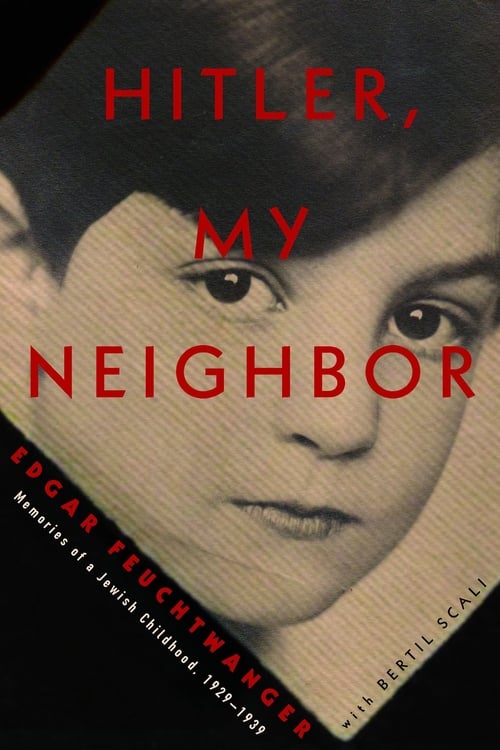
From 1929 to 1939 Edgar Feuchtwanger lived across the street from Adolf Hitler in Munich Germany From his bedroom the young Jewish boy often viewed the Fuumlhrer just across the avenue A schoolboy in Munich at the time Edgar witnessed the rise of Nazism firsthand sharing in the fear and dread felt by all German Jews witnessing the unstoppable ascent of a madman and the start of World War II
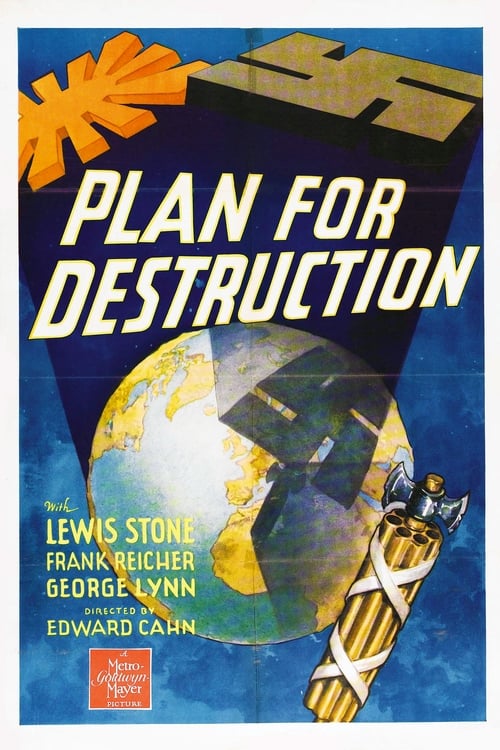
Plan for Destruction is a 1943 American short propaganda film directed by Edward Cahn. It looks at the Geopolitik ideas of the ex-World War I professor, General Karl Haushofer, who is portrayed as the head of a huge organization for gathering information of strategic value and the mastermind behind Adolf Hitler's wars and plans to enslave the world. The film was nominated for an Academy Award for Best Documentary Short.
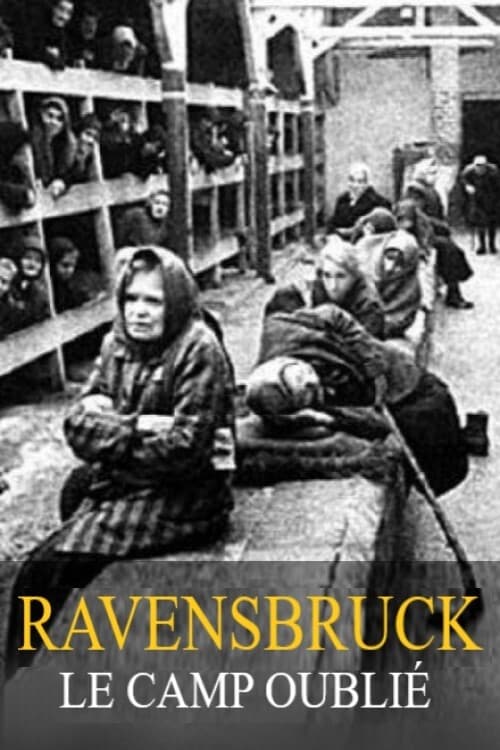
Located nearly 80 kilometres north of Berlin, Germany, the former municipality of Ravensbrück was home to a prison between 1939 and 1945 that became a concentration camp designed specifically for women. It was built by order of Heinreich Himmler, a high dignitary of the Third Reich and head of the SS. Of the more than 130,000 people who were deported there, almost 90,000 never returned. Based on witnesses, international experts and computer-generated images, the document reveals the atrocities committed in Ravensbrück.