



Loading titles…

Moosa

Kaveh Nariman

Sayeh

Leila

Interrogator

Oladi

Payam

Azar

The corpse of a woman is found in front of Maria’s apartment window. She agrees to take charge of the funeral, becoming involved in her neighbour’s existence. Maria adopts the woman’s unattended dogs and forms a bond with her estranged son. After the burial, Maria tries to reclaim her own life back, but a haunting feeling lingers.


A foreboding glimpse into the life of a girl under pressure from her parents concerning her eating behavior and childish tastes. Ignoring the family festivities, her parents ditch her for a day, leaving her in the care of a neighbor. The girl will regress to the events that have hurt her. "Rabbits have been a symbol of childhood ever since Lewis Carroll's portray of a certain elusive character, but it is in the interpretation of each psyche that it takes a more perpetual shape. In my analysis of its symbolism, the rabbit expresses a female childhood at an age close to puberty, along with the desire to leave the bonds; perhaps a virginal consciousness that remains in the symbol of rabbits to this very day." Laura Maria Isabel Ruiz Ocadiz.



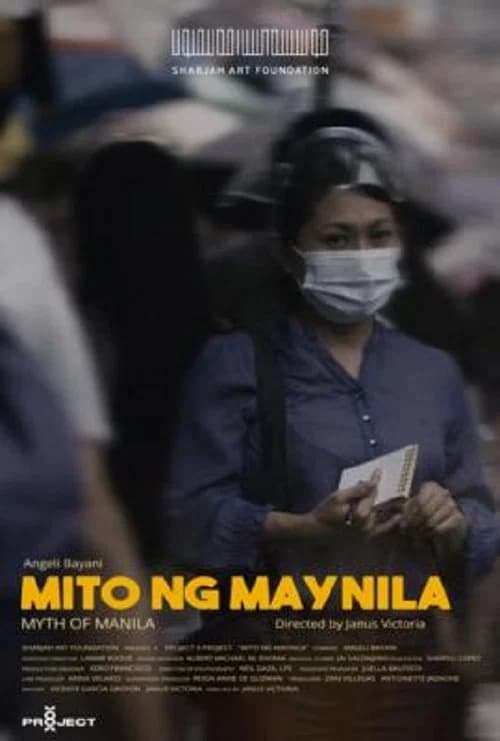
Since the pandemic hit in the spring of 2020, Metro Manila has been subjected to intermittent lockdowns with demeaning punishments. Despite the danger, Sandra, a single middle-aged reporter living there, continues to search for stories, even after waking up with symptoms one day. As a public service, she turns the camera on herself for the first time in her career, documenting her condition and recording the sights and sounds of the afflicted city on her way to the hospital. Unfortunately, every place she reaches has a long queue. With her remaining strength, she brings herself to Quiapo Church, the site frequented by many pilgrims in dire situations.
