
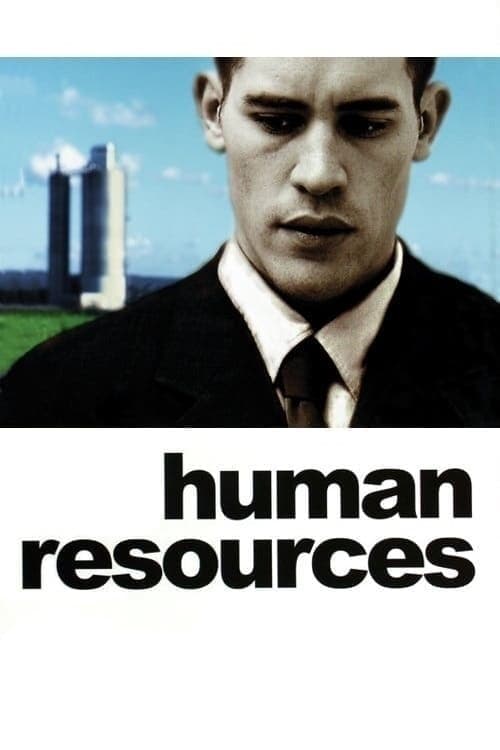

Jalil Lespert
Franck
"Good son" Franck returns to his hometown to do a trainee managerial internship in the Human Resources department of the factory where his anxious, taciturn father has worked for 23 years.
Franck
Le père
Alain
La mère
Sylvie
Olivier
Le patron
Danielle Arnoux, la syndicaliste
Le DRH
Betty
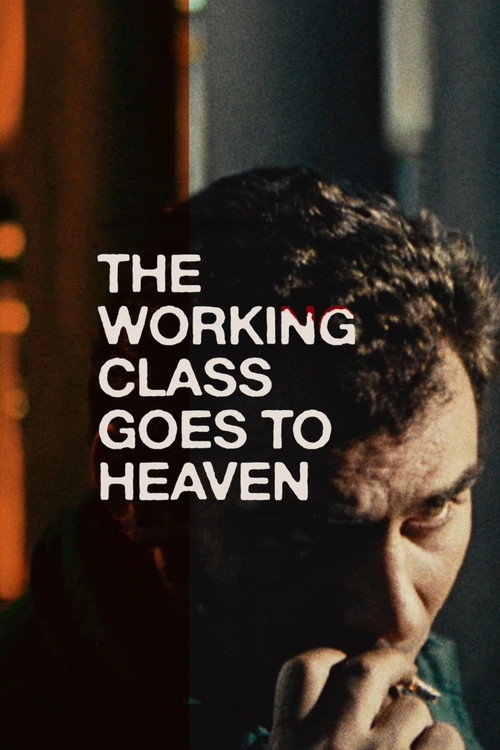

Proud, though poor, Bob wants his little girl to have a beautiful (and costly) brand-new dress for her First Communion. His stubbornness and determination get him into trouble as he turns to increasingly questionable measures, in his desperation to raise the needed money. This tragic flaw leads him to risk all that he loves and values, his beloved family, indeed even his immortal soul and salvation, in blind pursuit of that goal.
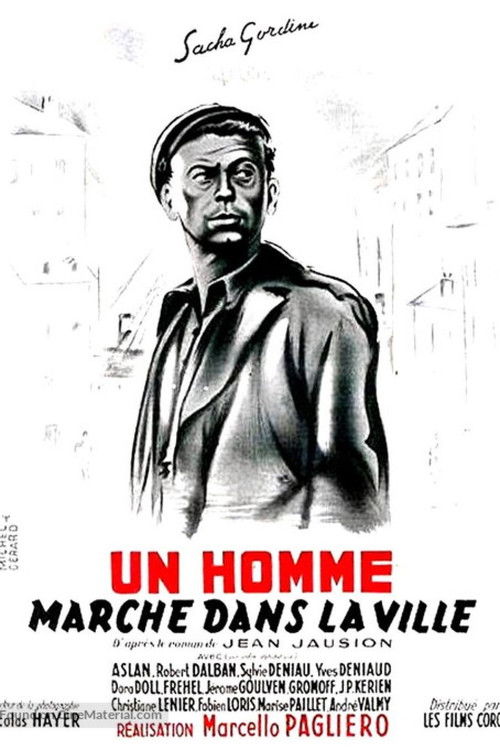
Le Havre, France, in 1949. In a town that still shows the scars of war, several friends meet up in Albert's café. One of them, Laurent, has lost his job on the docks and his marriage to Madeleine is falling apart. He knows that his wife wants to start an affair with friend, Jean Sauviot. Jean is a lonely man who is attracted to Madeleine but doesn't want to commit himself to the wife of a friend. On the day that Madeleine tells her husband that she is seeing Jean, Laurent goes looking for Jean to find an explanation. Arriving on the docks in the evening, he attacks an American sailor who looks like Jean, but the man fights back and runs away after killing Laurent accidentally. Madeleine thinks that Laurent was killed by Jean and believes that she can start a new life with her lover. The police have other ideas...
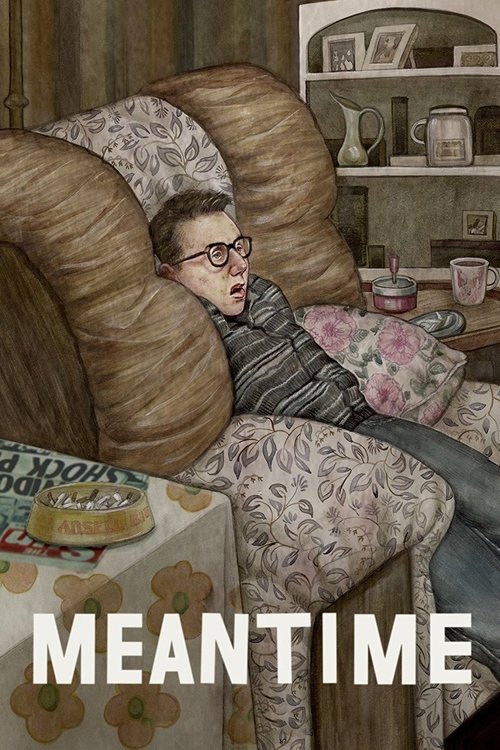
A working-class family in London's East End is struggling to stay afloat during the recession under Prime Minister Margaret Thatcher's premiership. Only the mother Mavis is working; father Frank and the couple's two sons Colin, a timid, chronically shy individual and Mark, an outspoken, headstrong young man, are on the dole. This situation is contrasted by the presence of Mavis's sister Barbara, and her husband John, whose financial and social loftiness appears to be a comfortable facade over the unspoken soreness of a lackluster marriage.
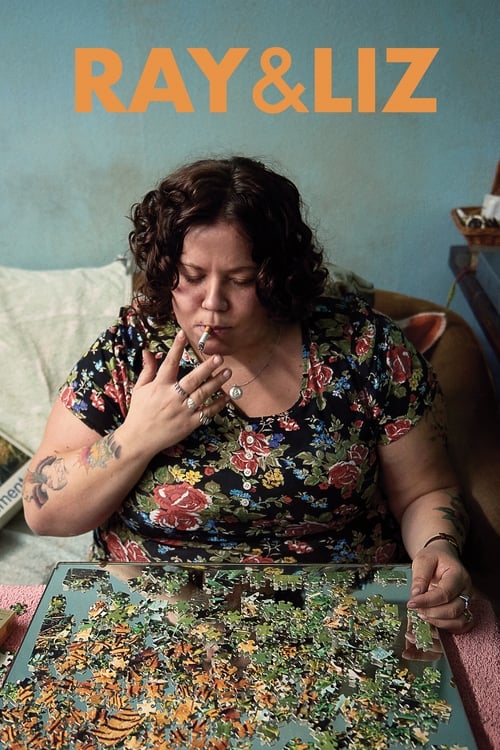
On the outskirts of Birmingham and the margins of society the Billingham family perform extreme rituals and break social taboos as they muddle through a life decided by factors beyond their control. At times shocking and laced with an unsettling humor, three episodes unfold as a powerful evocation of the experience of growing up in a Black Country council flat.
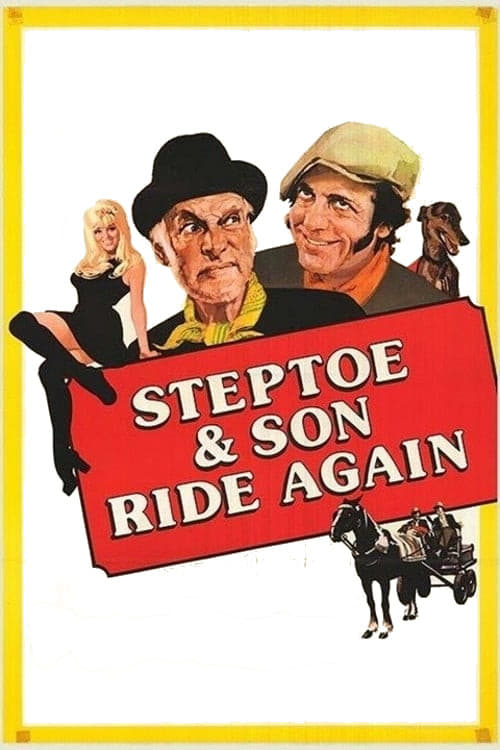
Albert Steptoe and his son Harold are rag-and-bone men, complete with horse and cart to tour the neighbourhood. They also live amicably together at the junk yard. Always on the lookout for ways to improve his lot, Harold invests his father's life savings in a greyhound who is almost blind and can't see the hare. When the dog loses a race and Harold has to pay off the debt, he comes up with another bright idea. Collect his father's life insurance. To do this his father must pretend to be dead.



Jeannette is a single mother living in a working-class community in Marseilles; she tries to support herself and her two kids on her salary as a check-out girl at a supermarket and lives in an apartment complex where everyone is thrown into close proximity with everyone else. Marius is working as a security guard at a cement factory that has gone out of business; he's also squatting in the building, since the plant is soon to be demolished and he'll be needing his money later on. One day, Jeannette happens by the factory, and spotting several cans of paint, tries to take two of them home with her. Marius spots her and tries to chase her away, while she rails at him with curses against the capitalist system. The next day, an apologetic Marius appears at her doorstep, cans of paint in hand; the two soon become friendly, and a romance begins to bloom, though it quickly becomes obvious that Jeannette's romance novel fantasies are a bit off the mark from what Marius has in mind.

Félix
Marie