Loading titles…
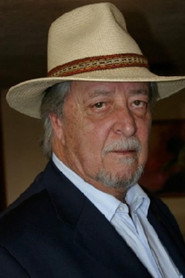
Teniente Rodolfo Robles
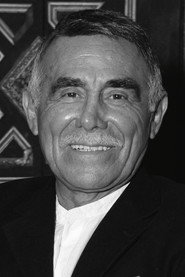
Sargento Margarito
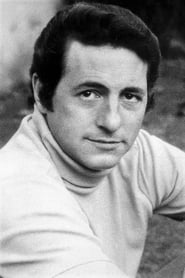
Capitán Agustín Tovar
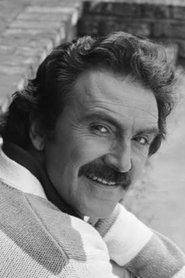
Mayor González

Coronel Santos
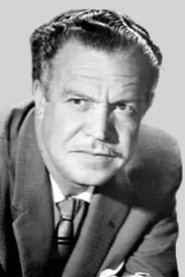
Don Eusebio
Doña María viuda de Altamirano

Rosa María

María Isabel

Marion, la francesa
María Suzuki, la japonesa
Mary, la americana
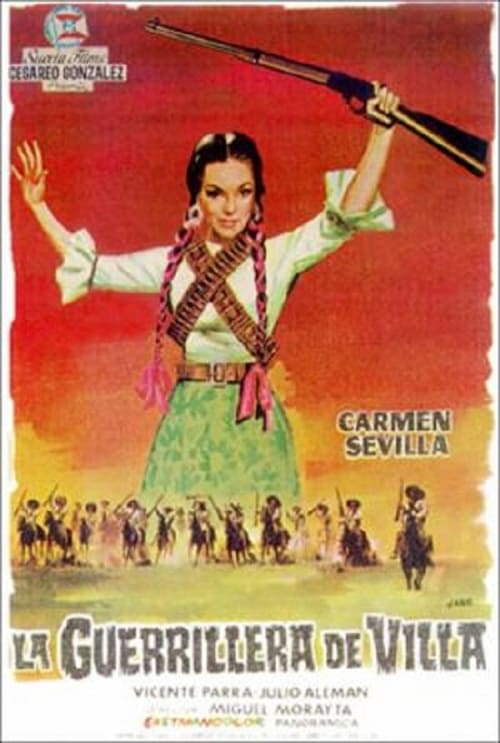
With revolutionary Mexico as a backdrop, a successful local rancher returns triumphant from the war to the praise of townsfolk, and "El General" is ready to take a wife. However the senorita of choice already has fallen for a secret admirer, and a boyhood rival who is threatened by the General's popularity in turn plots against his life.
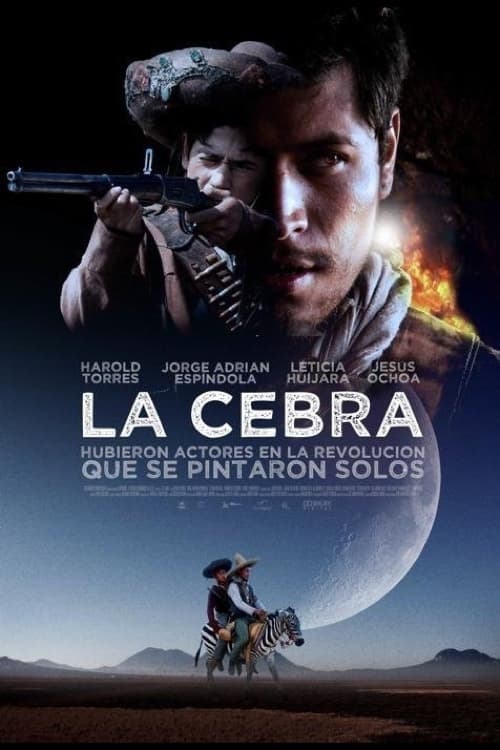
During the Mexican Revolution, Leandro and Odón, two war vultures, find a zebra. They mistakenly believe this to be an American horse and thus begin a journey in search of General Obregón, who they assume, will appoint them as colonels given their peculiar beast of burden. They partake in several adventures during their journey.
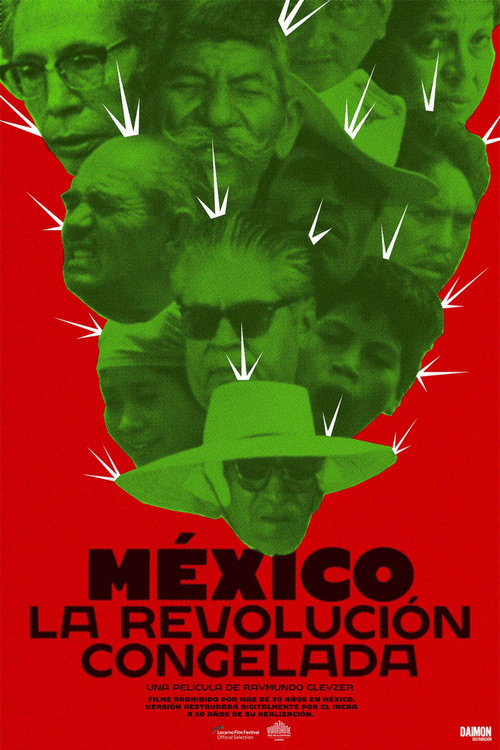
A thorough analysis of the socio-politics of Mexico, within the historical context of the Mexican Revolution reality. Includes footage from the 1910s, interviews with farmers, politicians, intellectuals, middle class, union, etc, as well as scenes from the life of an Indian family in Chiapas, their religious rituals, their crops, trials and bilingual schools. The film ends with the slaughter in the Plaza de Tlatelolco in 1968, during the infamous Olympics.
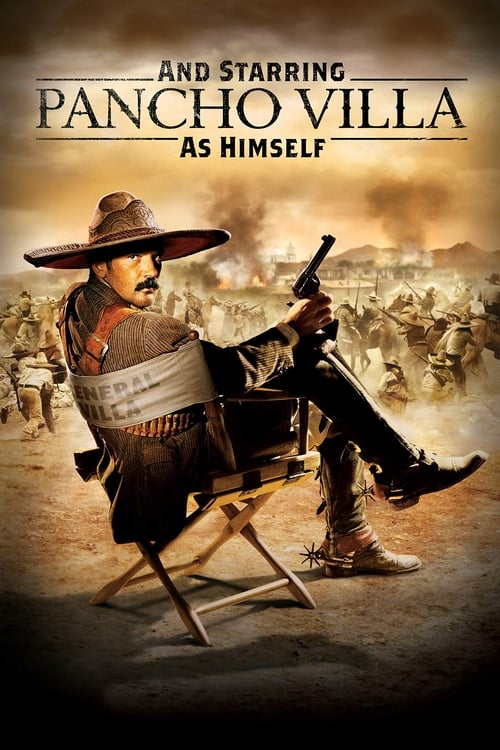
In 1914, the Mexican revolutionary Pancho Villa invites studios to shoot his actual battles against Porfírio Diaz army to raise funds for financing guns and ammunition. The Mutual Film Corporation, through producer D.W. Griffith, interests for the proposition and sends the filmmaker Frank Thayer to negotiate a contract with Pancho Villa himself.
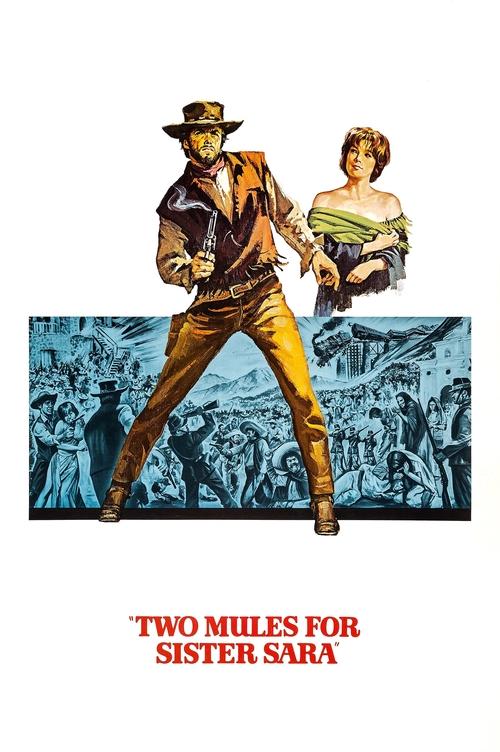
When a wandering mercenary named Hogan rescues a nun called Sister Sara from the unwanted attentions of a band of rogues on the Mexican plains, he has no idea what he has let himself in for. Their chance encounter results in the blowing up of a train and a French garrison, as well as igniting a spark between them that survives a shocking discovery.
The film portraits the stage previous to the outbreak of the Mexican Revolution, from the end of Porfirio Díaz´ government, the social volatility, the ephemeral government of Madero and the presence of the working class in the figures of Villa and Zapata, until the signing if the Constitution of 1917. All of this through moving images, filmed during those events mainly by the Alva brothers, filmmakers of that time. Those images let us perceive the contradictory and shuddered glance of the people of that period.