Loading titles…
Documentary / Fantasy
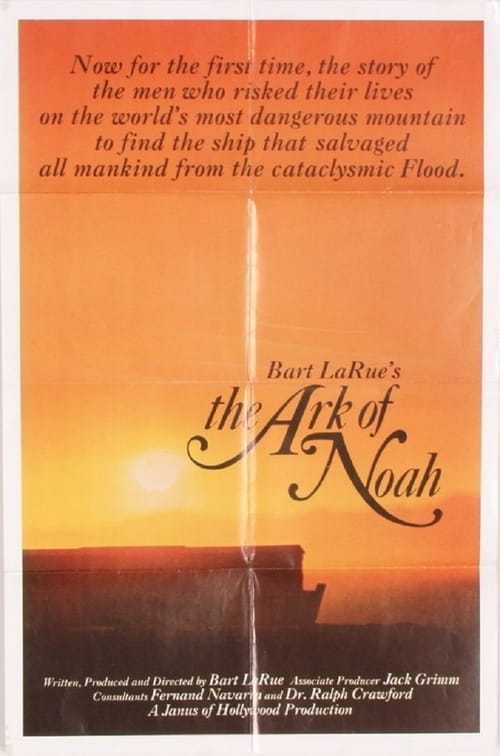
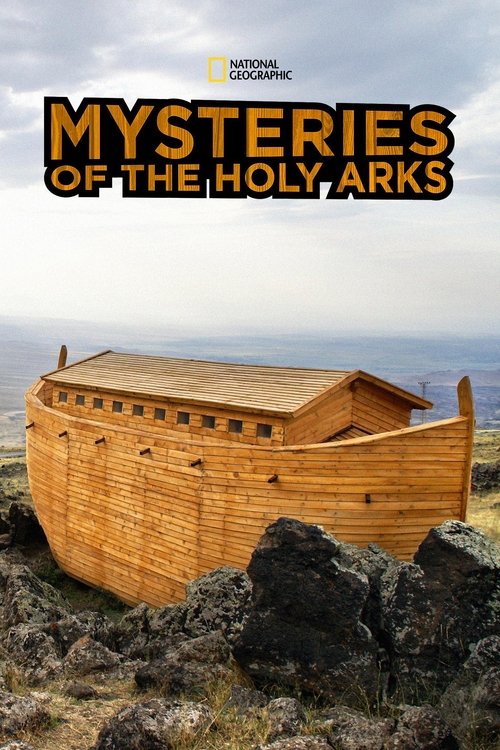
A ship half the size of the Queen Mary, made of hand-tooled oak, lies frozen in a glacier on Mt. Ararat in northern Turkey. In this documentary, producer-director-actor Bart LaRue advances the theory that this ruined ship is Noah's Ark. LaRue became so obsessed with this theory…
Narrator

Fernand Navarra (voice)
Self
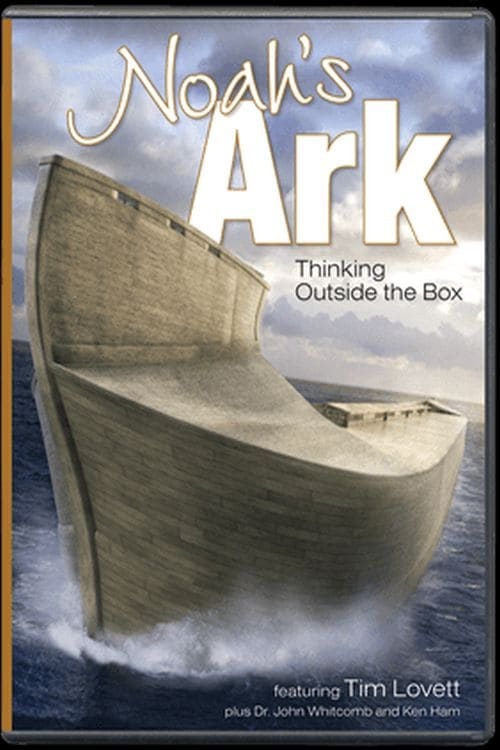
As we learn more about ancient shipbuilding we must ask the question, “When Noah constructed the Ark, wouldn’t he have used the technology of his day? Could he follow the Lord’s directions and actually build a ship able to withstand the cataclysmic tempest?” Following the example of Drs. Henry Morris and John Whitcomb’s ground-breaking book, The Genesis Flood, Ark researcher Tim Lovett applies new findings to the contours and interior design of the Ark, while maintaining an unwavering commitment to the Word of God.

Part fictional documentary, part musical anthropology, scientific magic, and eco-anarchic utopian journey in a landscape of eight parts. You're Kaloyan, the sax player. Or Diana, the Gypsy dancer. You journey together through Bulgaria in search of the utopian village Dolphinovo. It's not Sofia, Paris or New York. That's why this story is rural, rustic and polyphonic. It's like a string of painted walls of village houses, folk songs and allegories. However, who is Ivo? And why does he lead you through these winter landscapes a year later?
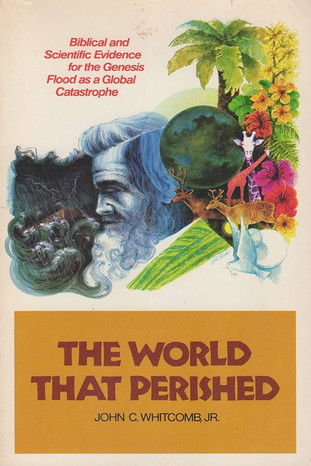
A documentary short that presents evidence for a global flood, using geological research and historical evidence to support the Biblical account in Genesis. Intended for Christian audiences, the film argues the Bible's trustworthiness by addressing scientific and cultural evidence for the flood and concludes with an evangelistic message.
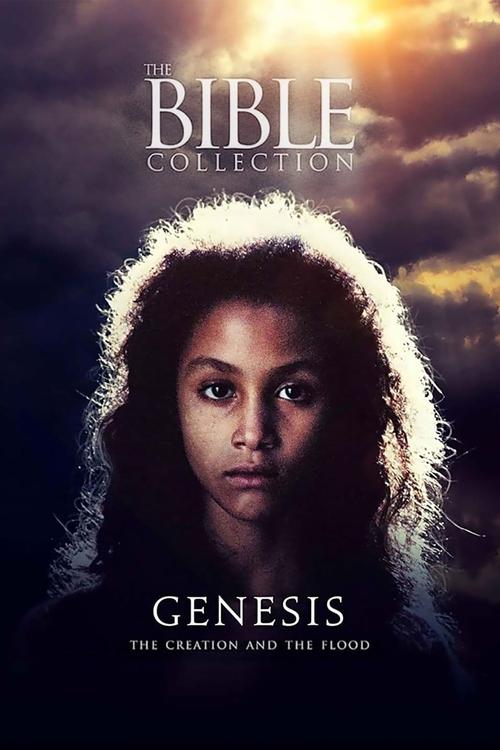
An all-enveloping darkness. Suddenly, a child's voice, frightened, questioning, pierces the darkness... The first flickering rays of light begin to sculpt mysterious shapes out of the darkness... Among them, a very old man. He reassures the child, exhorting him to see the wonders of the earth. And it is with this child's eyes that we will witness the creation of the world.
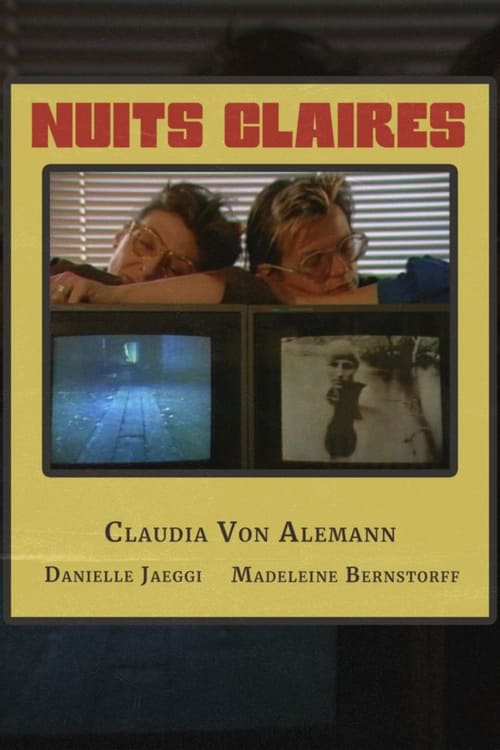
In an experimentally compiled film review, Danielle Jaeggi, Paule Baillargeon and Claudia von Alemann reflect on their work as filmmakers and life as mothers. Just as the title is based on Michel Leiris' book of poems Bright Nights and Many a Dark Day, the film has its own poetry, which is also evident in shots of everyday activities, such as hands washing dishes. “Just the hair or the relationship of the hands to each other or gestures, and then words come in between and film clips that we talk about, and we were amazed to find that the women we portray in the films always have a lot of trouble with theirs Identity, their search for something, for lost people or lost things. “They are usually looking for something that has been lost, forgotten or gone,” said Claudia von Alemann in the 1992 interview conducted by Renate Fischetti, A Pioneer of Female Film Language. An essay about desire, doubt, contradictions. (fib)
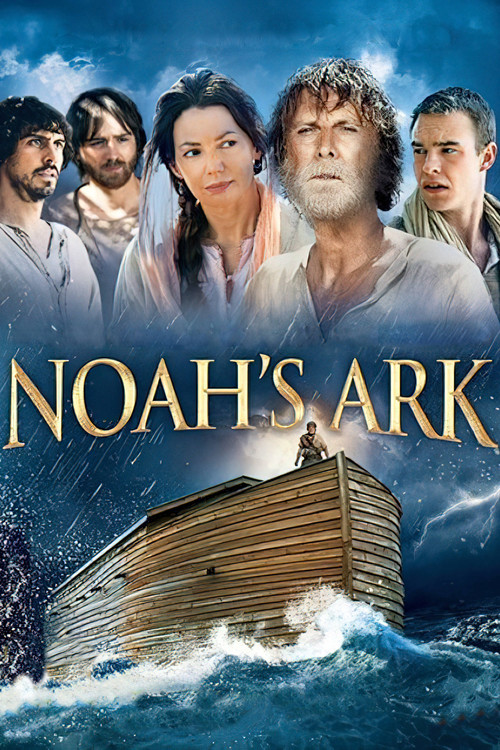
Noah, a farmer and family man, is instructed by an angel to build an ark in the middle of a desert in order to save both his family and the faithful from a devastating flood. A seemingly impossible task, especially when his sons refuse to believe him and help, Noah risks ridicule and humiliation from the degenerate townsfolk as well as his loving but exasperated family, in his quest to carry out his God-given task.