Loading titles…
Documentary
At the Creedmoor Psychiatric Center in Queens, New York, Dr. Janos Martin helps treat patients with severe mental illness by encouraging them to express themselves through art, whether in paint, sculpture, or collage. In vivid imagery, brilliant close-ups, and delicate…
No cast information available.

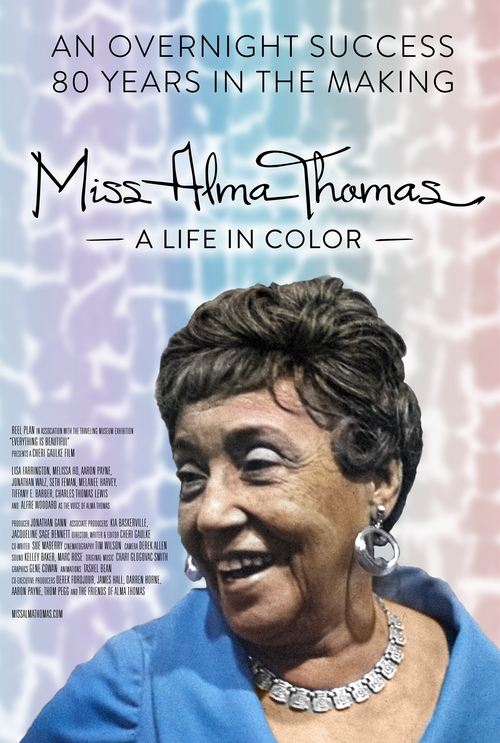
Alma W. Thomas lived a life of firsts: the first Fine Arts graduate of Howard University (1924), the first Black woman to mount a retrospective at the Whitney Museum of American Art (1972), and the first Black woman to have her paintings exhibited in the White House (2009). Yet she did not receive national attention until she was 80.


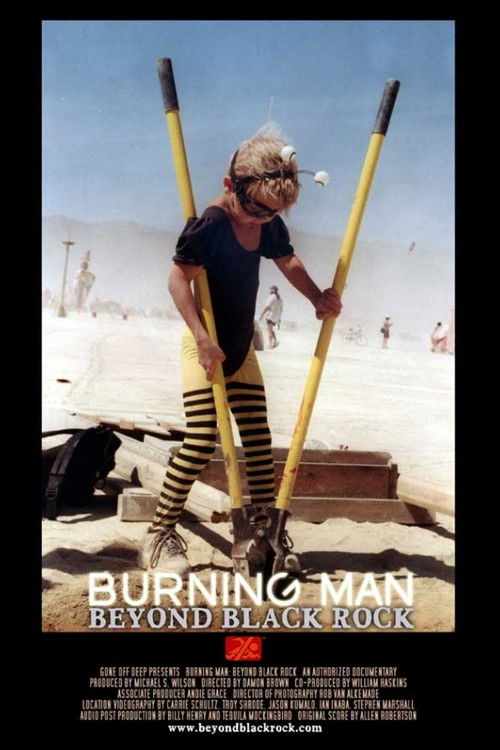
BURNING MAN: BEYOND BLACK ROCK goes behind the scenes of a social revolution to explore the philosophy that fuels it, the social contract that drives it, and the transcendent experience that makes it a worldwide cultural force. Granted unprecedented access to the inner workings of the Burning Man organization, the filmmakers spent 18 months with the founders, organizers, artists and participants to document the full complexity and diversity of the Burning Man community. But, true to its title, the film goes beyond the city they raise in the desert - revealing the Burning Man's plans to bring its unique culture to the rest of the world. BEYOND BLACK ROCK tells, for the first time ever, the real story of Burning Man - from the inside out.
This film features some of the most important living Postmodern practitioners, Charles Jencks, Robert A M Stern and Sir Terry Farrell among them, and asks them how and why Postmodernism came about, and what it means to be Postmodern. This film was originally made for the V&A exhibition 'Postmodernism: Style and Subversion 1970 - 1990'.
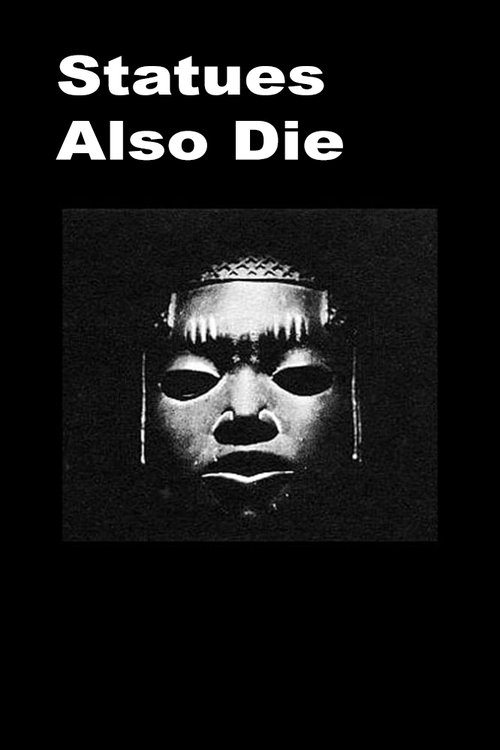
Commissioned by the journal Présence Africaine, this short documentary examines how African art is devalued and alienated through colonial and museum contexts. Beginning with the question of why African works are confined to ethnographic displays while Greek or Egyptian art is celebrated, the film became a landmark of anti-colonial cinema and was banned in France for eight years.