
Loading titles…
No cast information available.
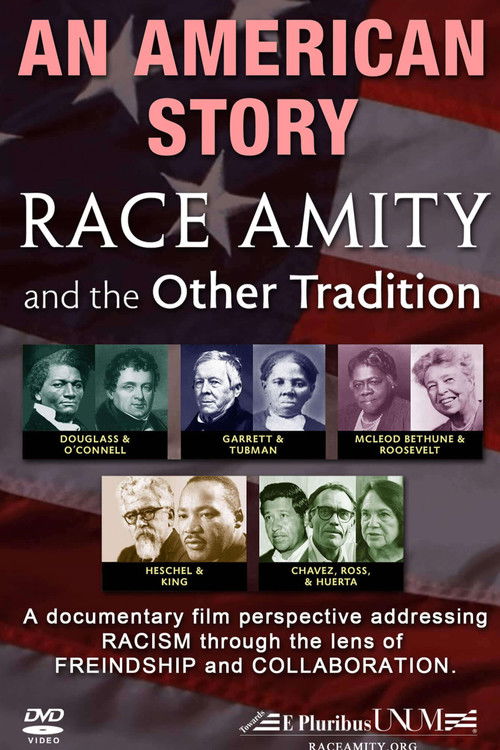
In contrast to the lens that focuses exclusively on the racist traditions that are rooted in America’s social history, the moral counterweight of close, loving, friendship and collaboration, which have always been present in our history, represents “the other tradition.” This “other tradition” is a source of inspiration and presents models of behavior that are instructional and include unknown and uncelebrated legacies to be absorbed and emulated across generations of present day Americans. The documentary discusses the “better in us” a needed collective perspective in the current climate of national disunity across racial, religious, and political lines. This has significant implications for addressing public issues from immigration to health care and the myriad of governmental, educational, business, and religious challenges that we must successfully meet to weave the fabric of unity which is indispensable to survival as a nation.
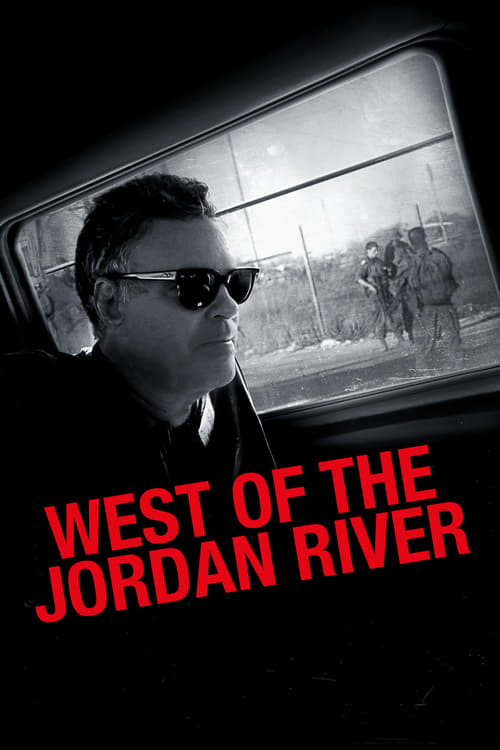
Amos Gitai returns to the occupied territories for the first time since his 1982 documentary FIELD DIARY. WEST OF THE JORDAN RIVER describes the efforts of citizens, Israelis and Palestinians, who are trying to overcome the consequences of occupation. Gitai's film shows the human ties woven by the military, human rights activists, journalists, mourning mothers and even Jewish settlers. Faced with the failure of politics to solve the occupation issue, these men and women rise and act in the name of their civic consciousness. This human energy is a proposal for long overdue change.
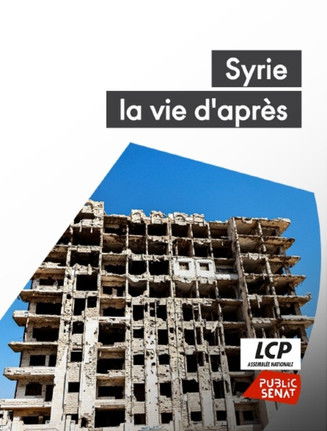
After twelve years in exile, Syrian journalist and filmmaker Daham Alasaad returns to Homs, devastated by the war in Syria. Once the city of his childhood, it is now a relic of an authoritarian regime, where different communities (Sunnis, Christians, Alawites) are trying to rebuild their lives together after terrible years of division and destruction. Thanks to Daham Alasaad's close relationship with the city's inhabitants, the director highlights some very moving characters, torn between grief, fear, the need for justice, and the desire for peace and reconciliation. By opening up naturally to the camera, they allow viewers to experience what Syrians of all backgrounds are going through today. "Homs-Syria, Life After" is a personal and political investigation into the ability of this symbolic city to rebuild hope on the ruins of a Syria ravaged by more than fifteen years of war and facing an uncertain future.

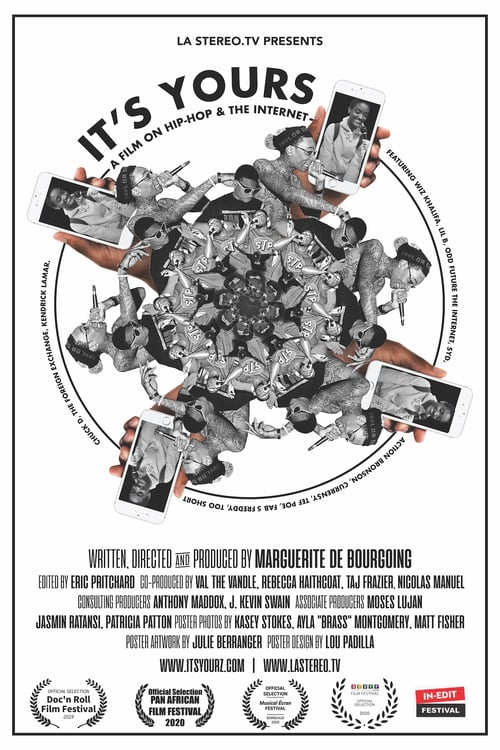
By the dawn of the 21st century, hip-hop sales had reached an all-time high, but one thing has remained the same. The doors were still locked, and the music industry held the keys. Young artists began to self-market on the Internet, ultimately helping to collapse the music industry as we knew it. It’s Yours explores how it became possible to become a rap star through a Twitter account, YouTube site or Myspace page. It tells this story through the unique perspectives of numerous artists, producers, record industry insiders, and music and cultural critics.
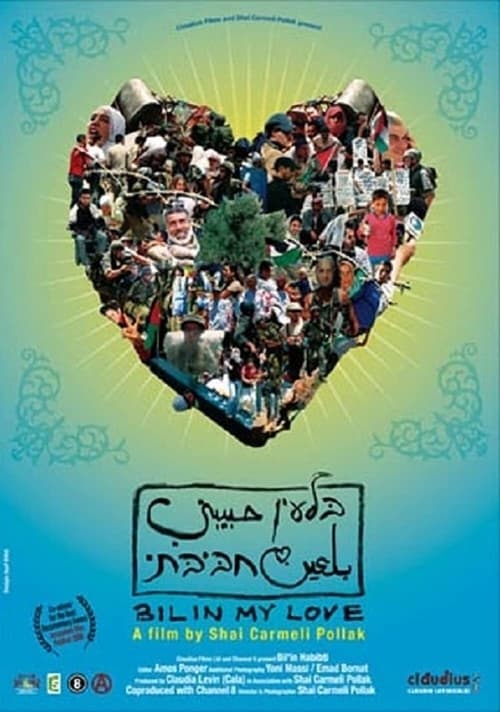
The Israeli filmmaker Shai Corneli Polak records the building of the 'security wall' through Palestinian territory at the village of Bil'in. The villagers protest mostly peacefully, while the Israeli army doesn't react peacefully. By now the Israeli High Court has ruled that the building of the wall was illegal.
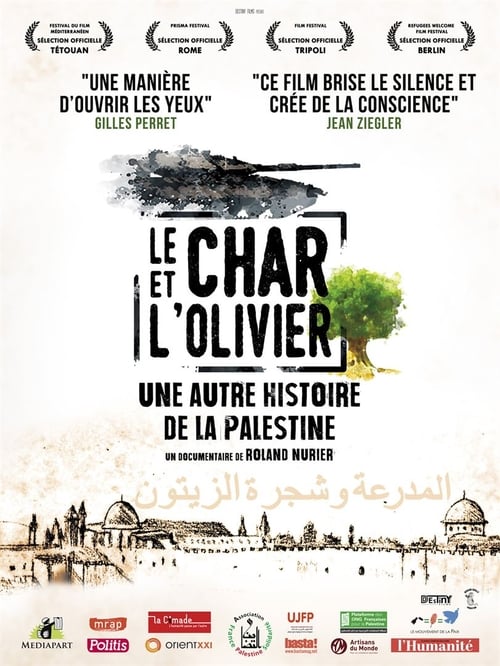
The Tank and The Olive Tree recalls a certain number of forgotten fundamentals and sheds new light on the history of Palestine. By combining geopolitical analysis, interviews with international personalities who are experts on the subject and testimonies from Palestinian and French citizens, this documentary offers the keys to understanding what the media call the Israeli-Palestinian conflict. Enough to rid people's minds of clichés and prejudices! If The Chariot and the Olivier is intended to be educational, it speaks above all of a magnificent territory, and of a people who constantly affirm that “to live is already to resist”...