Loading titles…
A cut-out animation warning for children about the danger of fire and playing with matches, far from the grim warning of your typical PSA and anticipating the complicated human psychology of Norshteyn's subsequent work. And, no doubt, there is a metaphor aimed at the power…
No cast information available.
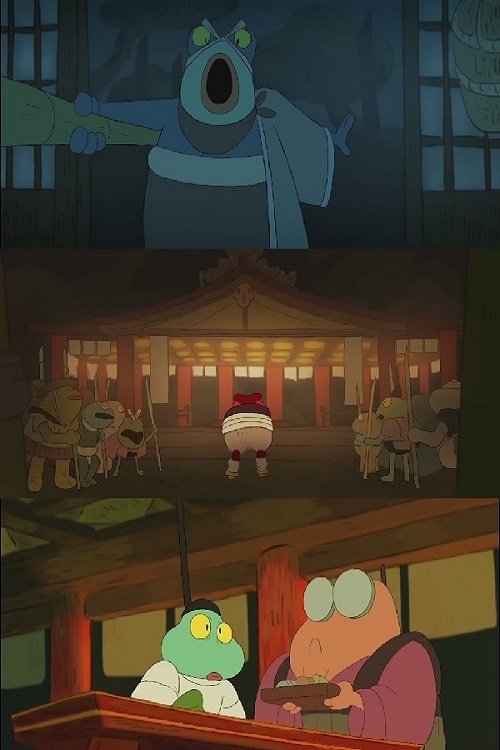

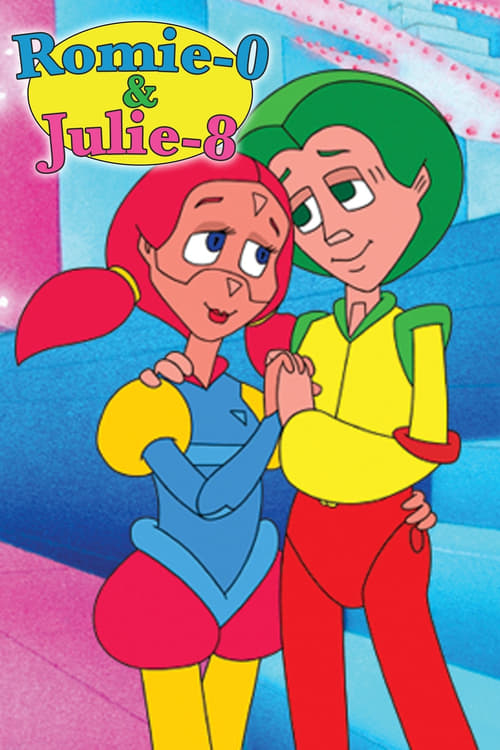
Two rival robotics companies in the future release their latest creations at a robotics convention, claiming each to be the latest and greatest in technological advances. Mega Stellar Company's release is a robot boy named Romie-O, while Super Solar Cybernetics has released a girl robot named Julie-8. Unforeseen to each of the company's creators, is how each of the advanced robots soon falls in love with the other.
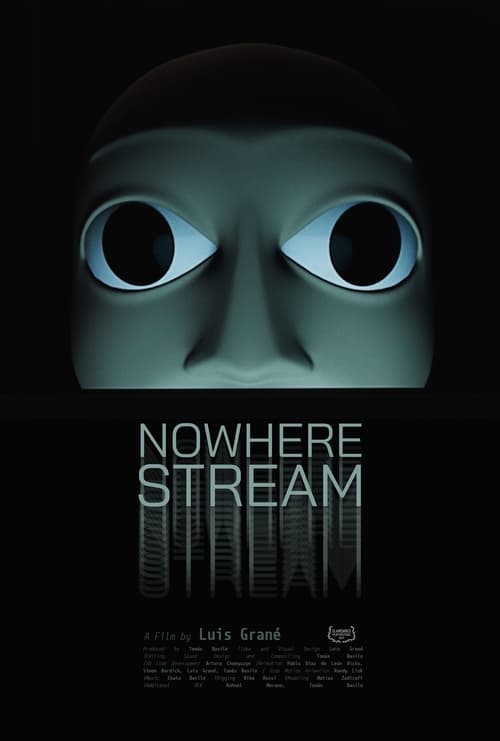


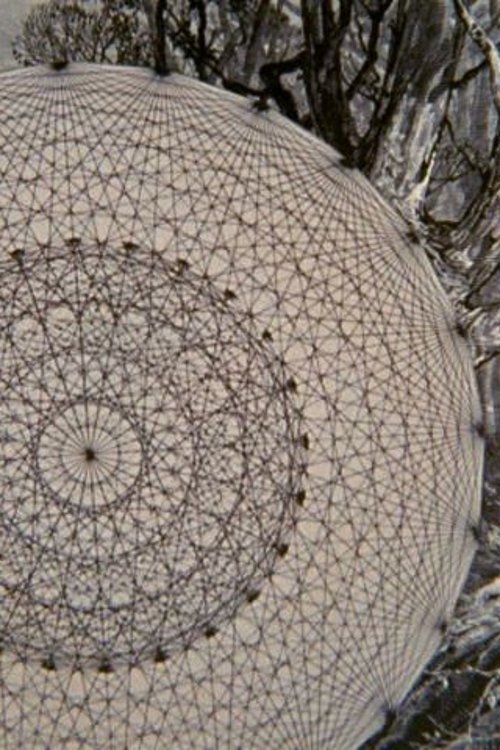
This is a classing Jordan animation, primarily in B/W, with touches of color. Actually, the engraved art work was film on color negative, so that subtle variations in tone are recorded. The mood--enhanced by John Davis' original music--is dream-like. It is both lyric and crackling, producing a kind of anticipatory tension. The scenes, in the usual Jordan manner, follow the surreal principle of placing objects and people where the ought not to be, and making movements that in the waking world are impossible. Each scene is a kind of drama from another world.
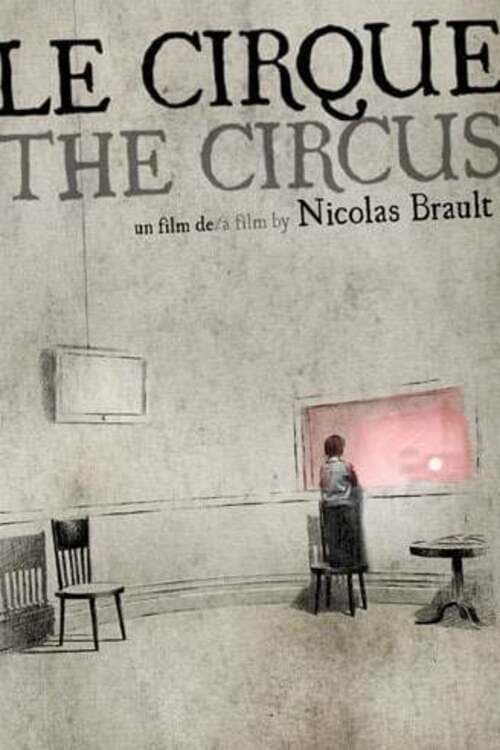
In the vestibule of a hospital room, a young boy waits to see his dying mother. The clamor and spiralling movements of bodies around him intensify, forming a grotesque circus—a cacophonous circle that pushes the child back, depriving him of one final touch of his mother's hand. Using rotoscoped drawings suggestive of charcoal sketches, as well as 3D and object animation techniques, The Circus compels viewing with its unsettling realism. Colour is employed metaphorically to subtly express the promise and the memory of maternal affection. Nicolas Brault's highly personal film, suffused with poetic modesty, casts a poignantly sincere gaze on the heartbreak of a child facing the fearful, mysterious experience of his mother's death.