Sylvia Hamilton
Narrator (voice)
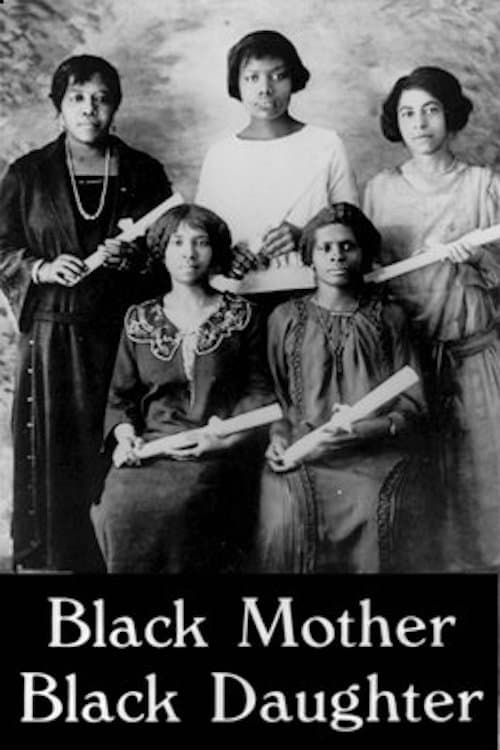
Black Mother Black Daughter explores the lives and experiences of black women in Nova Scotia, their contributions to the home, the church and the community and the strengths they pass on to their daughters.
Narrator (voice)

Why would two New York-based filmmakers dedicate five years of their lives to following three white, Jesus-loving, spandex-clad men from the Bible Belt, particularly when the world of documentary filmmaking has generated its fair share of films concerning sensationalistic religious expression and contact sports in recent years? Because it's not about wrestling, and it's not about Jesus. Against a bizarre and entertaining backdrop, and through a motley cast of characters, we are reminded of what connects us all, lest we forget what it means to be human.
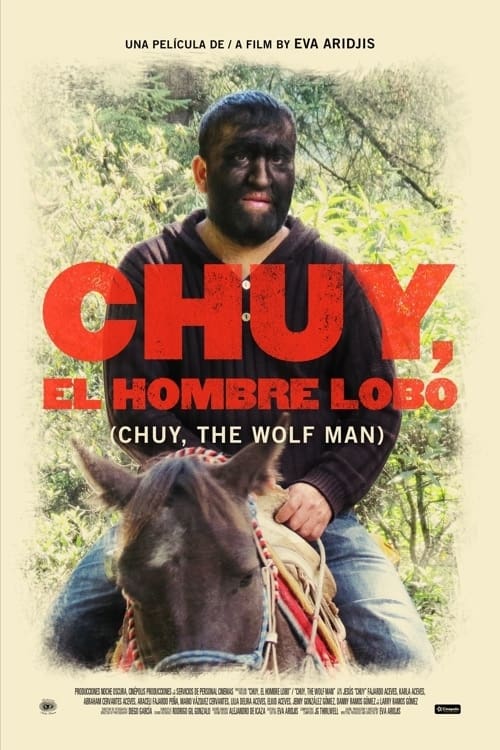
Jesus 'Chuy' Aceves and a dozen living members of his extended family suffer from the very rare condition of congenital hypertrichosis, meaning they were born with excessive hair on their faces and bodies. Due to their appearance, they suffer from discrimination in all areas of their lives: the children are made fun of at school and abandoned by their 'non-hairy' parents, and the adults cannot find work unless they choose to exhibit themselves as freaks in circuses. This moving and visually arresting documentary is a portrait of Chuy and his family members. It examines their day-to-day lives and their struggle to find love, acceptance and employment.
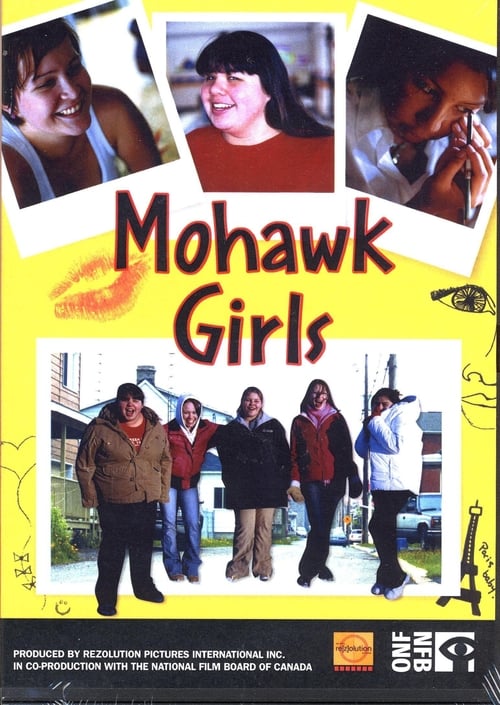
For three teenage girls growing up in Kahnawake — and indeed, all teenagers on the reserve — life can be quite confusing. If they want to move away to pursue new experiences — perhaps in nearby Montreal — they risk losing credibility, or worse yet, their rights as Mohawk women. Of course, if they stay, their opportunities in the tiny community are limited. With insight, humour and heart, director Tracey Deer (who left Kahnawake to attend school and pursue filmmaking) returns to her community to follow these Mohawk girls and tell their stories. Her deeply emotional documentary reveals the complex hope, heartache and promise of growing up Indigenous in the 21st century.

As a sci-fi obsessed woman living in near isolation, Beverly Glenn-Copeland wrote and self-released Keyboard Fantasies in Huntsville, Ontario back in 1986. Recorded in an Atari-powered home-studio, the cassette featured seven tracks of a curious folk-electronica hybrid, a sound realized far before its time. Three decades on, the musician – now Glenn Copeland – began to receive emails from people across the world, thanking him for the music they’d recently discovered.
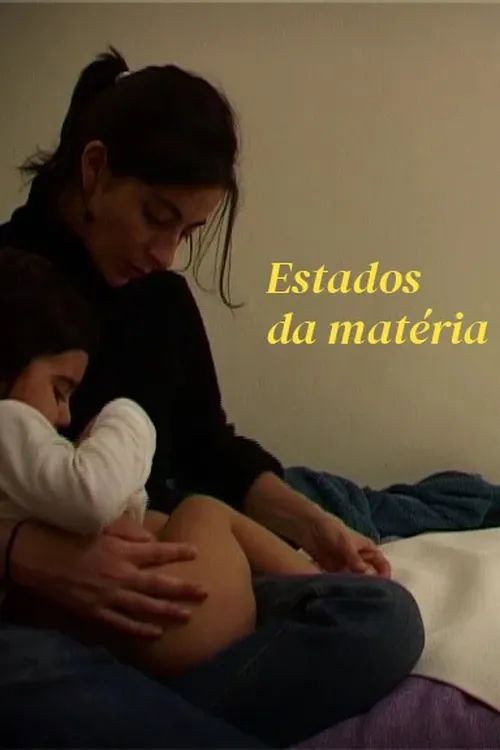
They thought life would be simple. All material problems would be overcome. Every morning it would be good to have breakfast together, the table laid. It would be the beginning of a long day at work. The daily ritual of a house inhabited by a mother and the two-year-old daughter. The automatism of the gestures of material life and its suspension in small events.
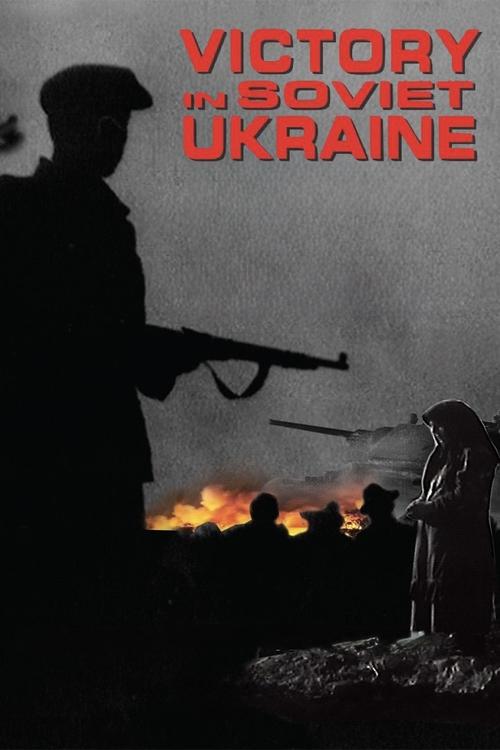
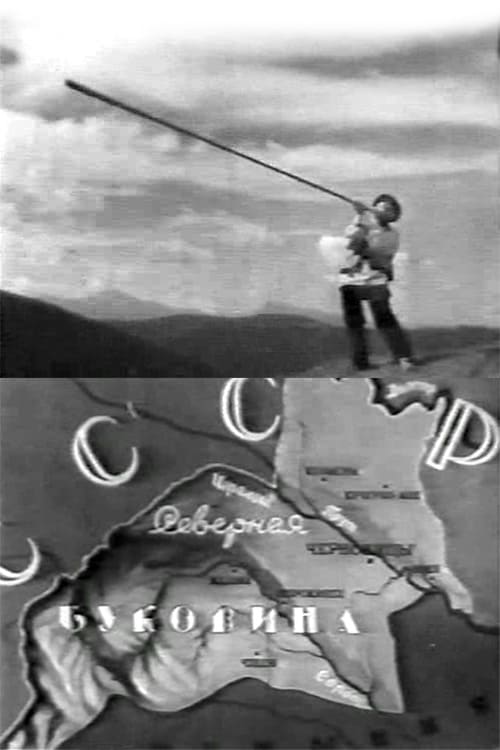
A wartime documentary directed by Alexander Dovzhenko and Yuliya Solntseva, depicting the final campaigns that drove Nazi forces from Ukraine in 1944–45. Combining frontline footage, liberated cityscapes, and scenes of returning civilians, the film chronicles both the devastation of occupation and the triumph of Soviet arms. It stands as both a historical record of the Ukrainian front and a patriotic celebration of victory at the close of the Second World War.