Loading titles…
Documentary
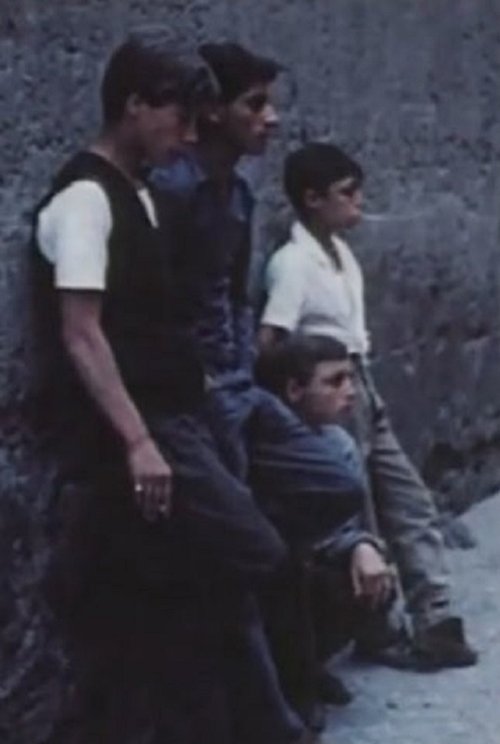
The life, the problems, the hopes of the ragazzi of the suburbs of Rome. Ignored by the city, these young men spontaneously express their vitality, their violence, their willingness to put themselves at risk. They are at the center of "Ragazzi di vita", the first novel by Pier…
No cast information available.

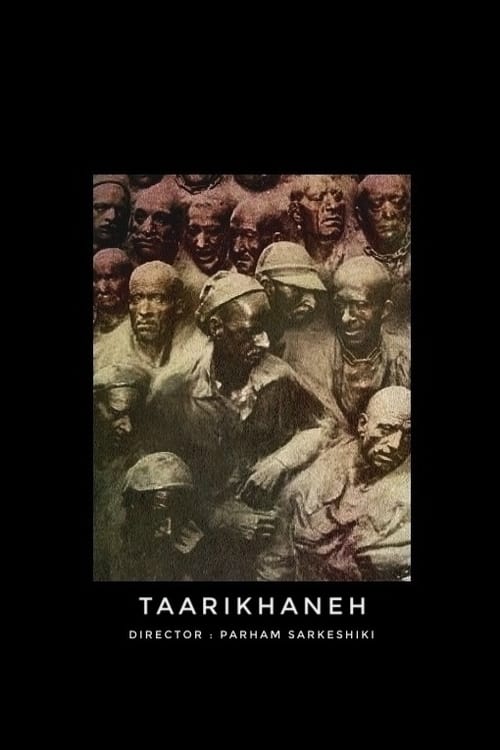
People destroyed the Ali Akbar Sanati Museum, an Iranian painter and sculptor, and all his works were destroyed. Mordad 28, In 1332, many people were burned alive in the fire of Rex Cinema, 28 years later on the 25th, they repaired The House of History movie. This film is an experimental fiction film, with links to images of the last survivor of the Sanati Museum, namely the sculptures of prisoners in prison, and the voices of the history of Iranian cinema, from the Sasanian era to the Constitution and the Islamic Revolution.

This video focuses primarily on the implications of the structure and format of television, especially the consequences of concision, and how these factors can shape the messages of the medium. In addition, other issues, such as how democracies handle dissenters, and how the mainstream media have treated the challenges of Noam Chomsky's media critiques are explored. The media construct reality, and in the conclusion we see the author participating in that very process.
Beginning with Noam Chomsky's response to a college student who role-plays "Jane U.S.A."--someone who naively believes she lives in a democratic society in which she can create her own destiny--the viewer is presented with a cross-section of typically lively Chomsky encounters. Central to a functioning democracy is the necessity of free access to information, ideas and opinions. But what should be our democratic right turns out to be limited and shaped by the biases of insitutions and ideologies within the mass media. Chomsky shows how governments, corporations and other elites manufacture the consent of the public to serve their interests.