Loading titles…

Bram

Florian
Hugo
Kevin
Denise
Rejected Girl
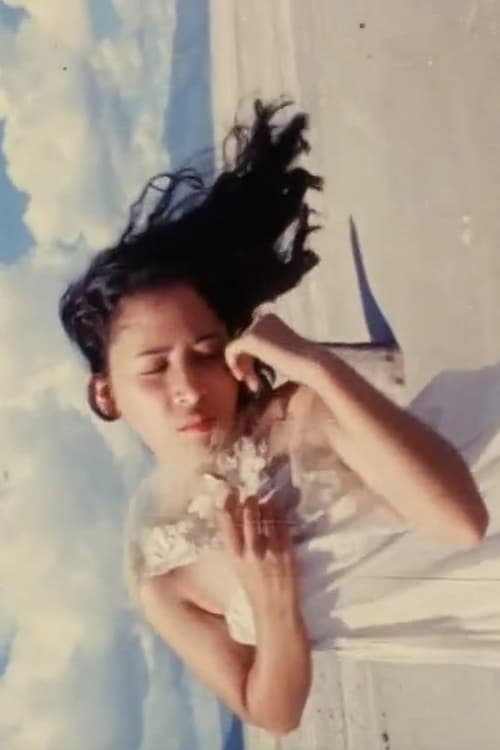
A bride walks on the desert. She takes off her bridal ornaments and turns into a harlot. A multitude of people crawl on their bellies, become sick and soon die. A volcano erupts. White ashes of lahar cover the earth. The bride remembers her betrothal and repents--symbolically paving the way for the resurrection of her people. A final bridal march into a new heaven and earth takes place.
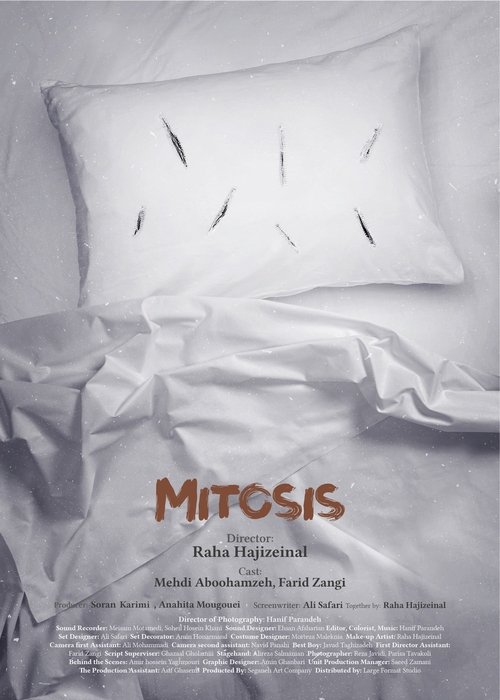
Kaveh is an LGBT sculptor. He lives in Iran and lives in isolation because of his sexual orientation. He has a lover named Farhad. Their relationship is not very good. It is Kaveh who is not happy with this relationship, he lives in his workshop because of the repression of LGBTs in Iran. He is making a statue when he suddenly realizes that this statue is talking to him. The words of the statue are not clear and are more like chatter. He breaks up his relationship with Farhad like his previous relationships, because something more than sex requires a relationship. He enjoys being alone more, but now he realizes that Farhad has destroyed the only statue they made together. The whispering sound of the statue increases and every moment Kaveh's mental state is more disturbed, to the point that he works day and night to build that statue. The statue is completed as if the statue is the lost lover of Kaveh. By completing the statue of Kaveh, he becomes a statue.
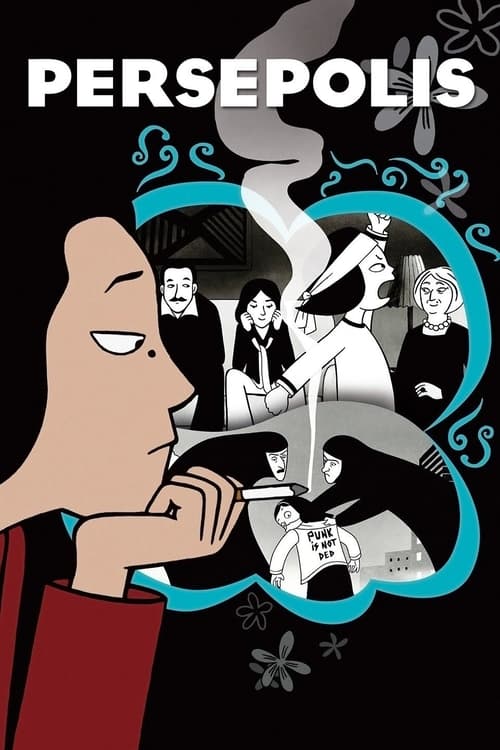
In 1970s Iran, Marjane 'Marji' Satrapi watches events through her young eyes and her idealistic family of a long dream being fulfilled of the hated Shah's defeat in the Iranian Revolution of 1979. However as Marji grows up, she witnesses first hand how the new Iran, now ruled by Islamic fundamentalists, has become a repressive tyranny on its own.


Boyfriends Hampus and Adrian are in a destructive relationship. When Hampus finally works up the nerve to call it quits, he finds himself relieved. Adrian, however, is not quite ready to say goodbye. Examining the final week of a gay love affair, award-winning short film director David Färdmar begins with the end.