
Primož Bezjak
Primož Bezjak
Baron Codelli
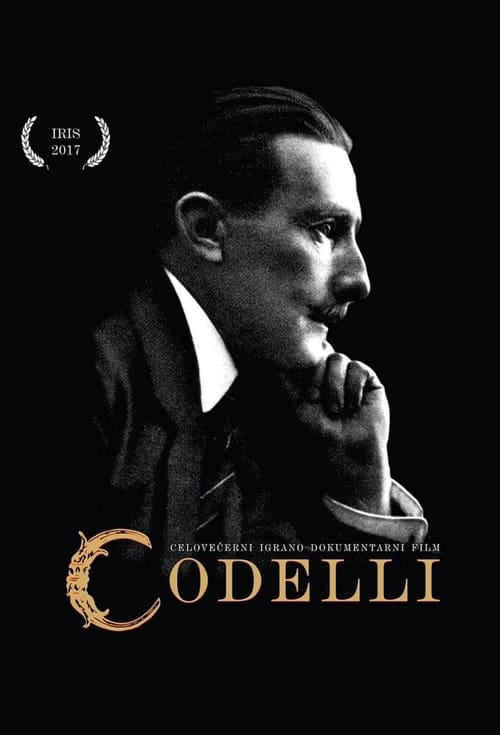
Codelli is a feature-length docudrama about a little-known film project by Slovenian inventor Baron Anton Codelli. Together with filmmaker and adventurer Hans Schomburgk he filmed in Togo in 1914 the first live-action film in Africa, which possibly inspired James Rice Burroughs…
Baron Codelli

Valentina Mladota

Servant Marija
Akkbe
Amus
Engineer Freischmidt
Codelli's Mother

James Hodgson
Hans Schumburgk

Under the warm rays of the sun, the protagonists become living still lifes, resting on benches, chairs, and deckchairs. In the quiet embrace of nature, they wait, reflect, and remember. This cinematic group portrait delves into the legacy and creative spirit of Vilko Filač, the Slovenian master of film photography, celebrating the enduring mark he left on the world of cinema.

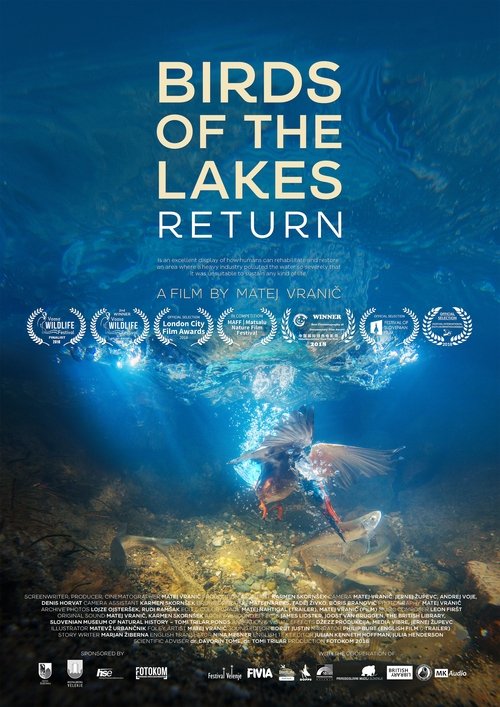
An excellent display of how humans can rehabilitate and restore an area where a heavy industry polluted the water so severely that it was unsuitable to sustain any kind of life. A a film showing how birds returned to an environment once devastated by industry. The lakes around the northern Slovenian town of Velenje, placed in the Central Europe, are geographic center of the film. They emerged as the land above the lignite mines subsided and the depressions were filled with water. The mines started operating at the end of the 19th century. In the mid 20th century a power plant was built that caused a severe pollution of the lake waters to the extent of the lakes not being fit for any kind of life. As a consequence many birds moved from these parts. After a long ecological restoration that started in the mid 1980s, life returned to the water. Gradually the birds returned as well, including some there were previously never observed in this area.
The documentary follows seven stories from the set of deadly sins and virtues. The concepts have been interpreted through the ambiguity, associations and meanings triggered by various social contexts. Using phenomena from our recent history, the story focuses on justice, prudence, sloth, greed, gluttony, temperance, pride. With regard to each phenomenon, i.e. each sin or/and virtue, there is the question of the duality of borders. If virtue is a desire subdued, and sin a desire that goes too far and crosses the border, this necessarily implies an area of ambiguity, of borders and questions about what is right and what isn’t.
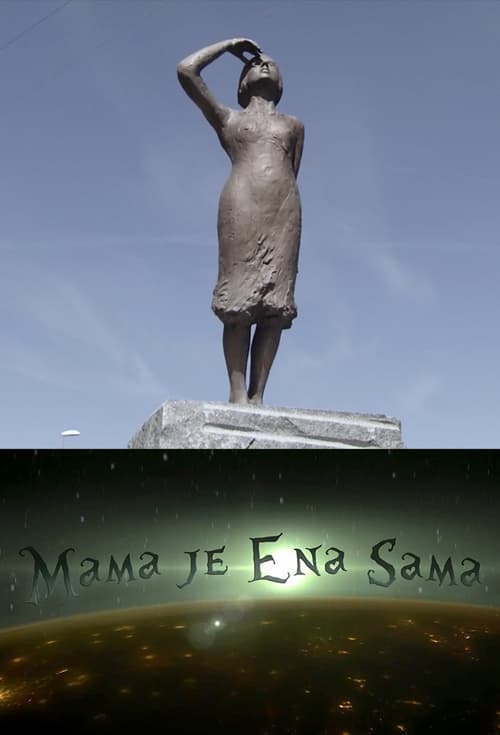
Tatjana in Motherland is a partly animated documentary essay about Slovenia and its men. It is a “documentary-tale” of how Slovenian society has been disintegrating in an invisible way. The story will unveil a Slovenian Oedipus archetype of the possessive martyr mother type and her relationship with her son, in which she through emotional manipulation, by constantly creating feelings of guilt, burdens her son to such a degree, that he remains dependent on her for the rest of his life. In order to put this relationship to its best use, all Slovenian governing structures have elevated mother figure on the level of a saint and have assigned to it the cultish role. The result of the Slovenian maternal cult is a typical Slovene male, who is pathologically obsessed with his mother.
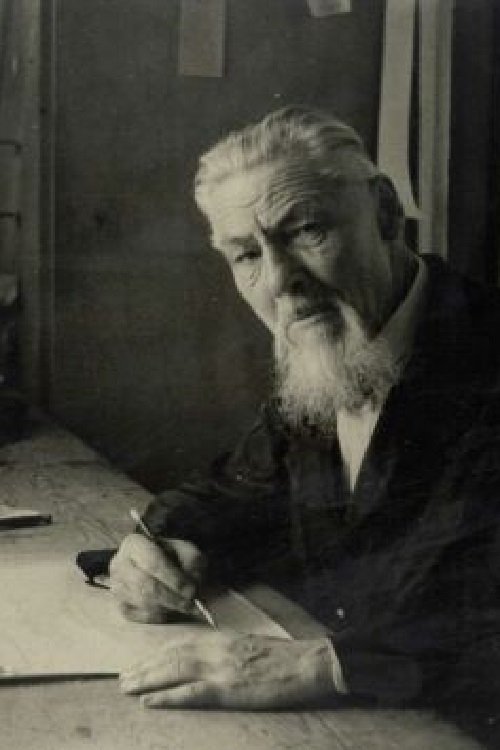
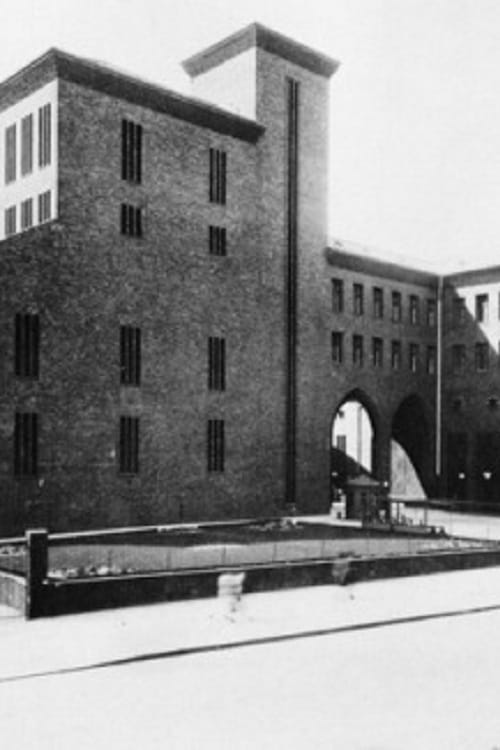
Plečnik in photographs, Plečnik's house, Trnovo bridge, Trnovo port, Ljubljana castle, shoemaking bridge, triple bridge, market, lock, church of St. Jožef, church in Šiška, Church of Cyril and Methodius in Bežigrad, football stadion, baptistery of the church in Črnuče, church at Barje, NUK, Roman wall, Križanke, Vegova, Peglezen, Tivoli, Chamber of Crafts, mutual insurance company, Žale.
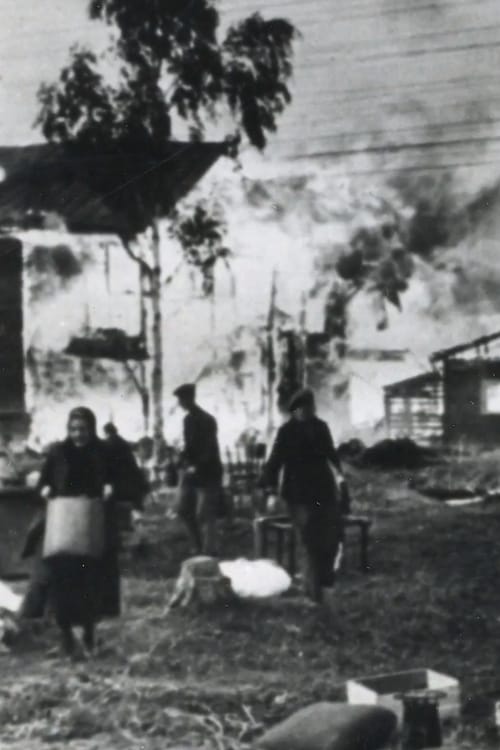
Postwar life of eight remaining inhabitants of Strmec, a village located in the very corner of Slovenian Alps near Italian border. When local partisans killed a German officer, the Nazi occupiers shot all males in the village as an act of revenge; those who remained are seven women of different age who traditionally wear black scarves, and young boy who hasn't any friends to play with.

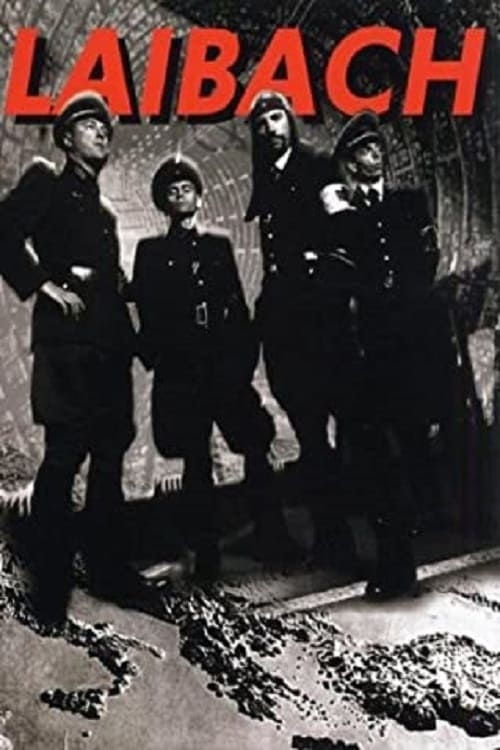
Laibach is a Slovenian avant-garde music group associated with industrial, martial, and neo-classical musical styles. They formed on June 1, 1980 in Trbovlje, Slovenia (then Yugoslavia). Laibach represents the music wing of the Neue Slowenische Kunst (NSK) art collective, of which it was a founding member in 1984. The name "Laibach" is the German name for Slovenia's capital city, Ljubljana.
4th Wife

Meg Gherts
Himself