


Loading titles…
Moderator

After twelve years in exile, Syrian journalist and filmmaker Daham Alasaad returns to Homs, devastated by the war in Syria. Once the city of his childhood, it is now a relic of an authoritarian regime, where different communities (Sunnis, Christians, Alawites) are trying to rebuild their lives together after terrible years of division and destruction. Thanks to Daham Alasaad's close relationship with the city's inhabitants, the director highlights some very moving characters, torn between grief, fear, the need for justice, and the desire for peace and reconciliation. By opening up naturally to the camera, they allow viewers to experience what Syrians of all backgrounds are going through today. "Homs-Syria, Life After" is a personal and political investigation into the ability of this symbolic city to rebuild hope on the ruins of a Syria ravaged by more than fifteen years of war and facing an uncertain future.
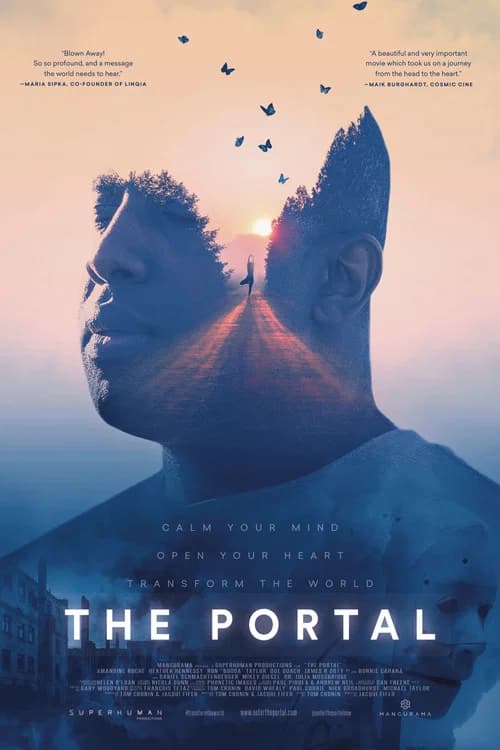


Klaus Kinski has perhaps the most ferocious reputation of all screen actors: his volatility was documented to electrifying effect in Werner Herzog’s 1999 portrait My Best Fiend. This documentary provides further fascinating insight into the talent and the tantrums of the great man. Beset by hecklers, Kinski tries to deliver an epic monologue about the life of Christ (with whom he perhaps identifies a little too closely). The performance becomes a stand-off, as Kinski fights for control of the crowd and alters the words to bait his tormentors. Indispensable for Kinski fans, and a riveting introduction for newcomers, this is a unique document, which Variety called ‘a time capsule of societal ideals and personal demons.’

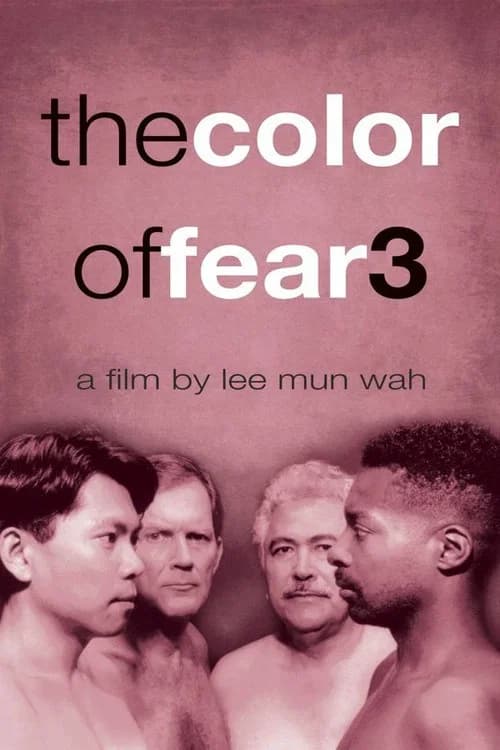
In THE COLOR OF FEAR, eight American men participated in emotionally charged discussions of racism. In this sequel, we hear and see more from those discussions, in which the men talk about about how racism has affected their lives in the United States. We also learn more about the relationships between them, and about their reactions during some of the most intense moments of that discussion.


As France's first ZAC (Zone d'Aménagement Concerté, or concerted development zone), Grigny is the ideal place to describe how France transformed its dream of a happy suburb into an impoverished urban nightmare. The film aims to leave the camera rolling throughout the story, to discover the inhabitants and the labyrinths of yesterday and today, and to answer the essential questions. From the residents to the architects, including the city of Grigny, the mayor, the prefect, the landlords, and the ANRU (National Agency for Urban Renewal), the film examines and deciphers the consequences of what happened in Grigny and the state's housing policy. Through the analysis of Grigny's history, we see how the state has participated and continues to participate in the creation of social exclusion.

