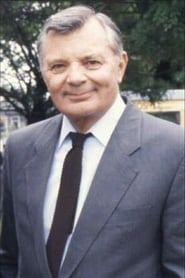
Peer Schmidt
Fritz Jüterbog
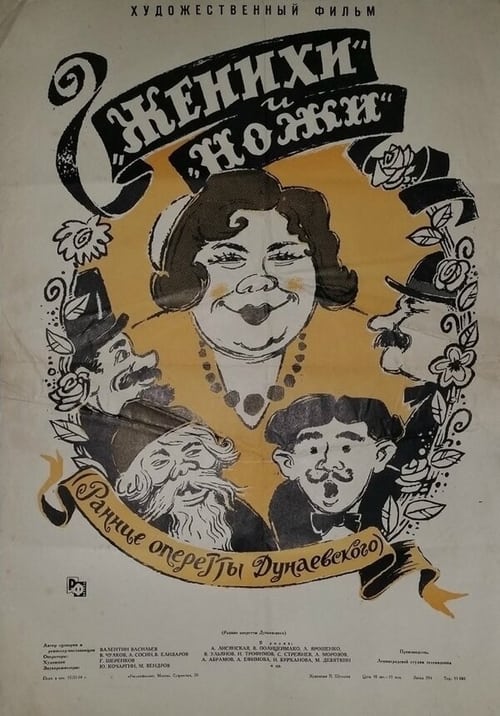
1838: Fritz Jüterbog and Ottilie von Henkeshofen love each other, but the difference in status is too great for Ottilie's parents to give their consent to a marriage. And so, Fritz sets off for America and returns from there 20 years later as a made man to ask for Ottilie's hand…
Fritz Jüterbog
Ottilie v. Henkeshofen
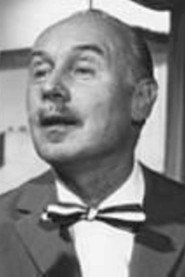
Stani v. Methusalem
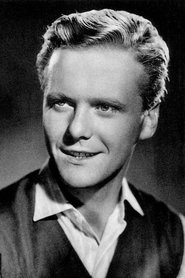
Cicero von Henkeshofen

Mechthilde von Kiefernspeck
Mabel Schumann
Major a.D. v. Henkeshofen
Pergamenter

Angostura
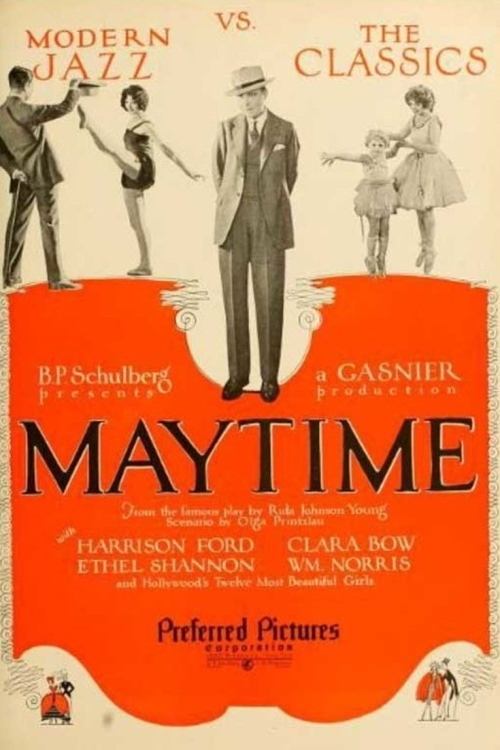
Ottilie Van Zandt is forced to wed her cousin, despite her love for Richard Wayne, the gardener's son. Richard leaves, vowing to return a wealthy man and eligible suitor for her. He returns to find she has already married and, in turn, marries another girl on impulse. Two generations later, the grandchildren of Ottilie and Richard, who both have inherited their names as well, meet and develop a close friendship that culminates in the romance that their grandparents began but could not consummate years before.
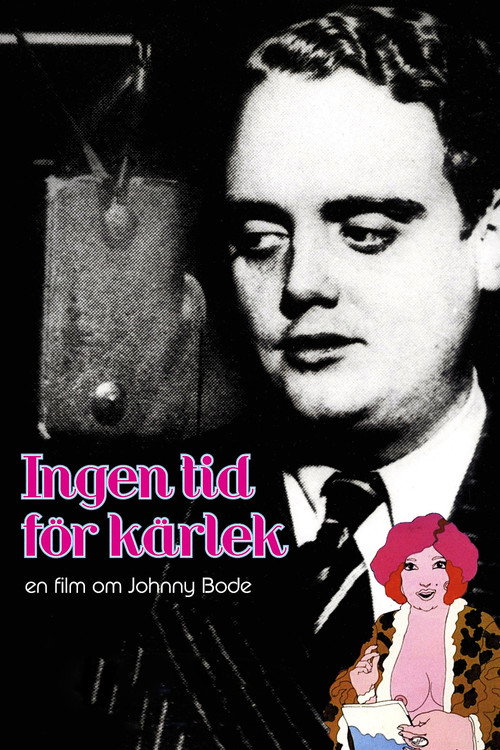
A film about Johnny Bode. Schlager diva, Operetta hero, filth musical innovator, enfant terrible, compulsive liar and amoral rogue. Johnny Bode (1912-1983) was very successful in Sweden and Europe. Yet he is today almost completely forgotten. Why? His life was so overwhelming, glamorous, fast and bizarre. So un-Swedish. He became fascinated by the nazism. Was arrested by the Gestapo and detained at Grini concentration camp in Norway. For five weeks. After the war he moved to East Berlin and proclaimed himself a dear friend of the GDR. Later he was deported and returned to Sweden. A time of fencing and small crimes followed. Escaped to Brussels at first and later Vienna. He was, as Juan Delgada, hired by the Vienna Opera to create new operettas. And was very successful. Johnny Bode died exhausted alone and abandoned in Malmö during the summer of 1983.
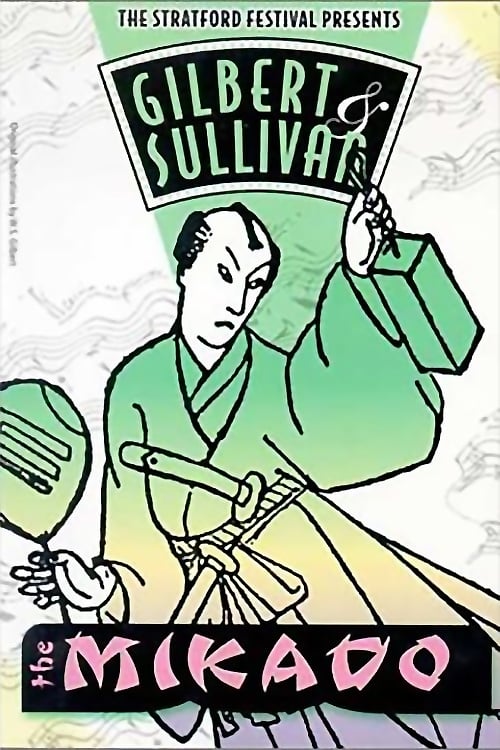
In a small Japanese town, Ko-Ko is appointed to the unenviable position of executioner. Knowing he must successfully perform before the appearance of the Mikado in a month's time, Ko-Ko finds a suitable victim in Nanki-Poo, who is distraught over his unrequited love for the maiden Yum-Yum. Nanki-Poo agrees to sacrifice his life if he is allowed to spend his remaining days with Yum-Yum, who is betrothed to Ko-Ko. Filmed live from the 1982 Stratford Festival in Ontario.
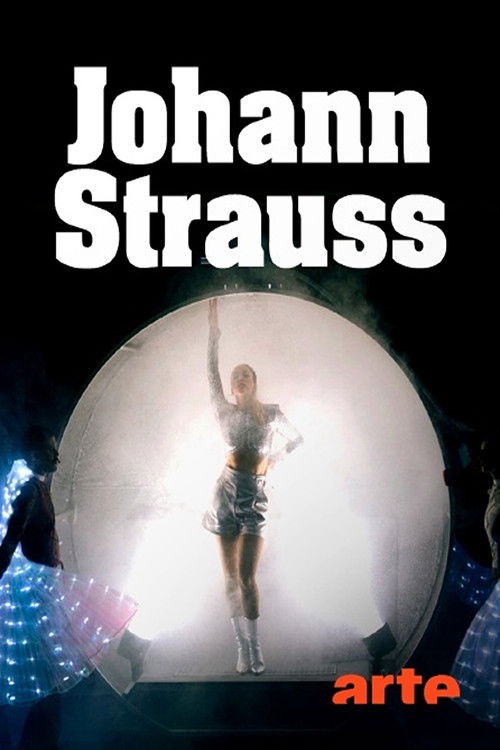
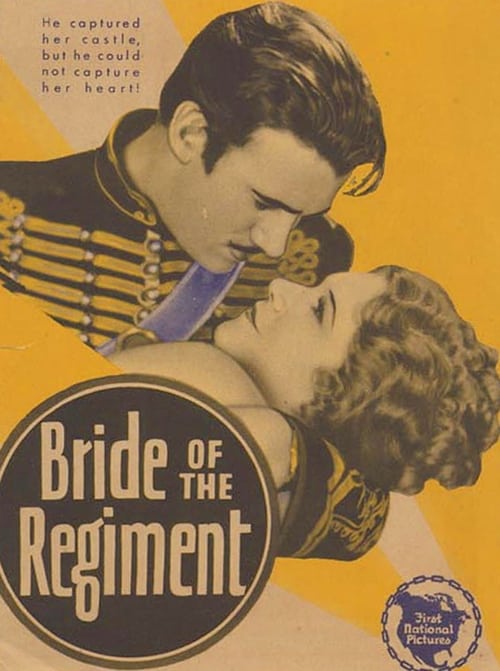
As they are leaving the church following their wedding, Count Adrian Beltrami and Countess Anna-Marie are told that the Austrians are marching on the town to quell an Italian uprising. The bride and relatives induce the count to flee to his castle, but Tangy, a silhouette cutter, brings word from the revolutionary committee asking him to return; the count goes, asking Tangy to pose as the count and protect Anna-Marie.
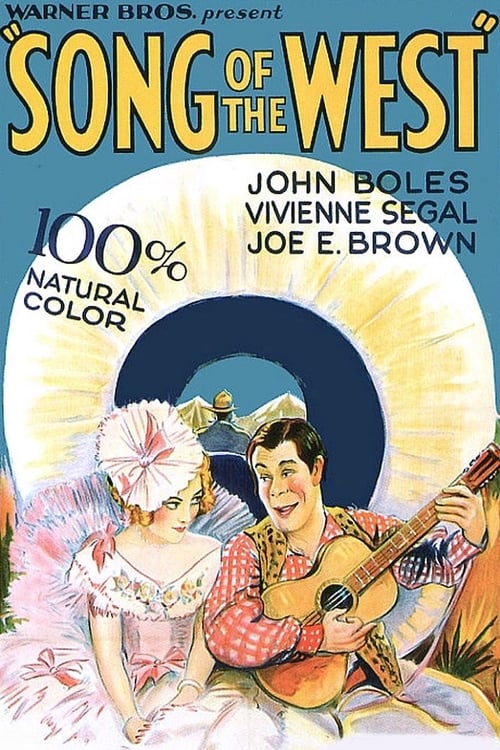
Captain Stanton, who because of a misunderstanding over a woman with Major Davolo, has been cited for a court martial. As a scout, he is sent to escort a wagon train which is under military escort. It turns out that this escort is his own former regiment. When he meet Davolo, there is another fight and between Stanton and Davolo in which Davolo is killed.
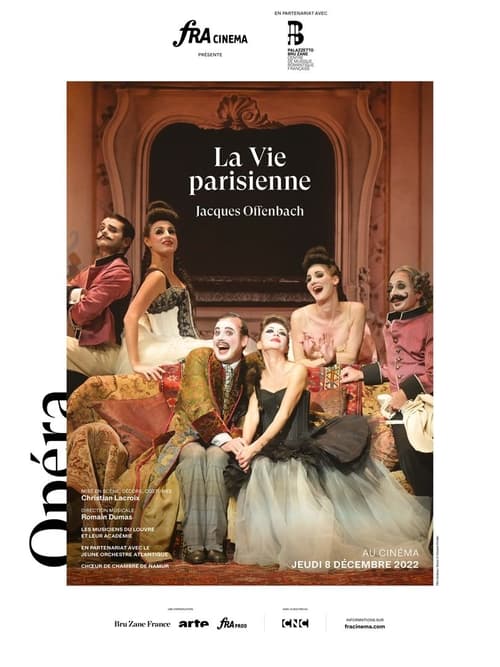
La Vie parisienne (Parisian life) is an opéra bouffe, or operetta, composed by Jacques Offenbach in 1866, with a libretto by Henri Meilhac and Ludovic Halévy. This work was Offenbach's first full-length piece to portray contemporary Parisian life, unlike his earlier period pieces and mythological subjects. It became one of Offenbach's most popular operettas.
Juliette
Gisela Fritsch
Tante Alwine