Loading titles…
Documentary
Araf is an essayistic road movie and diary of a ghostly character, Nayia, who travels between Srebrenica, Sarajevo, and Mostar in Bosnia. She has been in exile since the war and returns for the 22nd memorial of the Srebrenica genocide. The film is guided by her diary notes of…

No cast information available.
Throughout the Islamic world, each year hundreds of women are shot, stabbed, strangled or burned to death by male relatives because they are thought to have “dishonoured” their families. They may have lost their virginity, refused an arranged marriage or left an abusive husband. Even if a woman is raped or merely the victim of gossip, she must pay the price. Crimes of Honour documents the terrible reality of femicide – the belief that a girl’s body is the property of the family, and any suggestion of sexual impropriety must be cleansed with her blood. We meet women in hiding from their families, a brother who describes his reasons for killing the sister he loved, and a handful of women who have committed themselves to the protection of young women in danger of losing their lives.
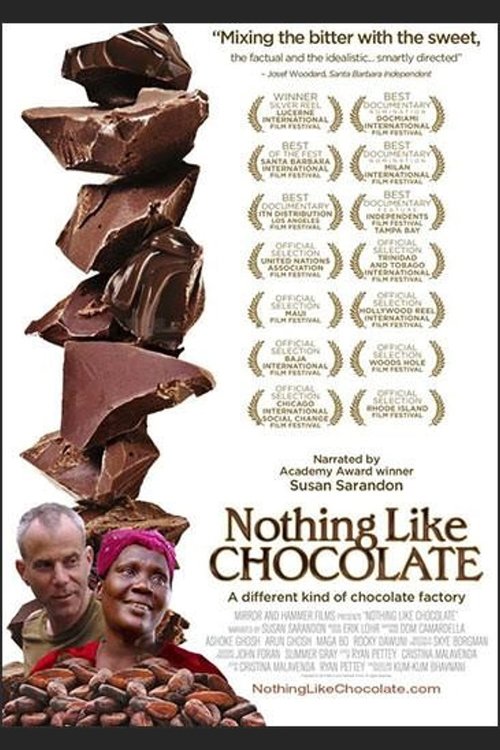
Deep in the rain forests of Grenada, anarchist chocolatier Mott Green seeks solutions to the problems of a ravaged global chocolate industry. Solar power, employee shareholding and small-scale antique equipment turn out delicious chocolate in the hamlet of Hermitage, Grenada. Finding hope in an an industry entrenched in enslaved child labor, irresponsible corporate greed, and tasteless, synthetic products, Nothing like Chocolate reveals the compelling story of the relentless Mott Green, founder of the Grenada Chocolate Company.
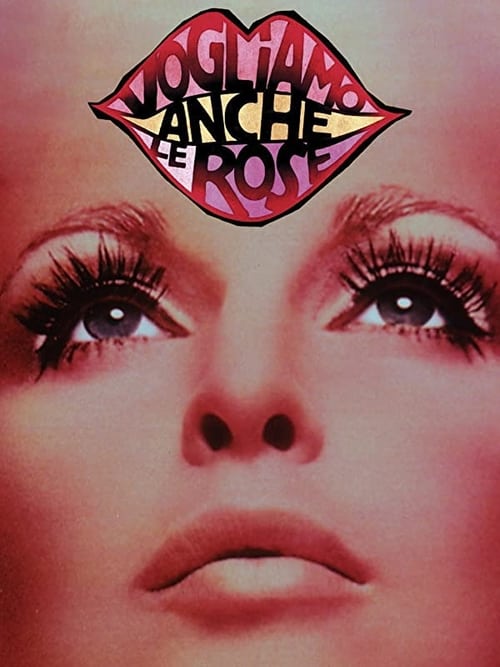
The film looks again at recent events from a female point of view, through the first-hand accounts provided by the diaries of three women. Rather than focusing on the alleged objectivity of facts, the film gives space to a chorus of voices that narrate those events in first person, visually supported by archival footage of the period, drawn from the most varied sources - institutional, public, militant and private. Anita, Teresa and Valentina come from different Italian regions and different social backgrounds, but share the same feelings: they no longer feel as part of a society based on the patriarchal family, on the power of "husbands" and on the supremacy of males, which requires them to be efficient mothers, obedient wives and virtuous daughters.

The Library of Congress Gershwin Prize for Popular Song will honor either a songwriter, interpreter, or singer/songwriter whose career reflects lifetime achievement in promoting the genre of song as a vehicle of artistic expression and cultural understanding. Paul Simon, one of America's most respected songwriters and musicians, was the recipient of the first annual Library of Congress Gershwin Prize for Popular Song. Named in honor of the legendary George and Ira Gershwin, the award recognizes the profound and positive effect of popular music on the world's culture.
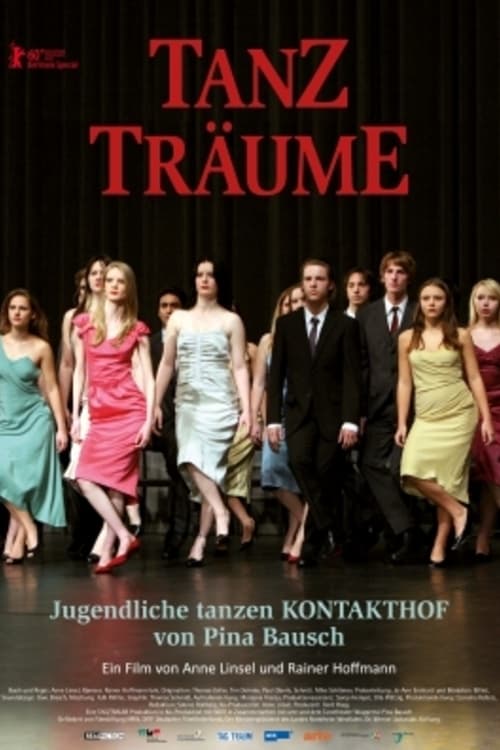
The dance performance “Kontakthof” bears the unmistakable signature of Pina Bausch: it deals with forms of human contact, encounters between the sexes, and the search for love and tenderness, with all its attendant anxieties, yearnings and doubts. It is a dance about feelings, which always pose a big challenge – particularly for young people. Teenagers from more than eleven schools in Wuppertal went on an emotional journey that lasted almost a year. Every Saturday, forty students aged between fourteen and eighteen years of age took part in rehearsals that were led by Bausch-dancers Jo-Ann Endicott and Bénédicte Billiet and intensely supervised by Pina Bausch herself.
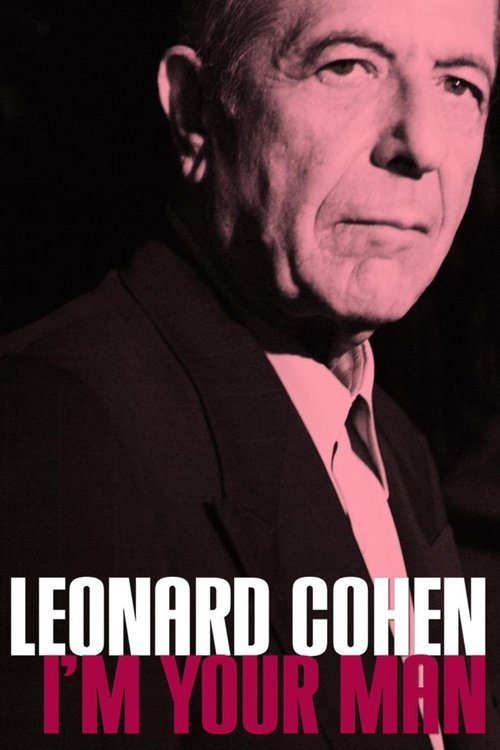
Poet, singer / songwriter and ladies man Leonard Cohen is interviewed in his home about his life and times. The interview is interspersed with archive photos and exuberant praise and live perfomances from an eclectic mix of musicians, including: Jarvis Cocker, Rufus & Martha Wainwright, Teddy Thompson, ANOHNI, The Handsome Family and U2's Bono and The Edge.
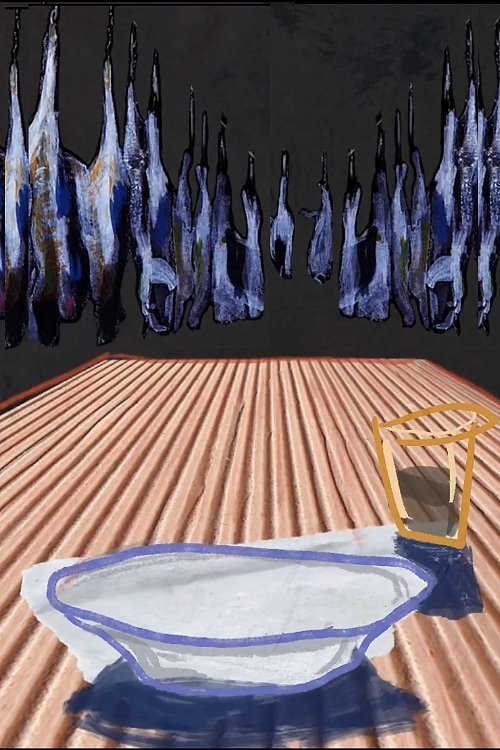
Behind The Jugular is a short animated documentary, featuring an ex-abattoir worker describing his experiences within the slaughterhouse. The film gives a raw account of the restricted and often ignored industry, intended to prompt the audience to consider, and reconsider, their ethical beliefs and values, and how they implement these morals in life.

In 'Wretches & Jabberers and Stories from the Road', two men with autism embark on a global quest to change prevailing attitudes about disability and intelligence. With limited speech, Tracy Thresher, 42, and Larry Bissonnette, 52, both faced lives of mute isolation in mental institutions or adult disability centers. When they learned as adults to communicate by typing, their lives changed dramatically. Their world tour message is that the same possibility exists for others like themselves. At each stop, they dissect public attitudes about autism and issue a hopeful challenge to reconsider competency and the future. Along the way, they reunite with old friends from the USA, expand the isolated world of a talented young painter and make new allies in their cause.
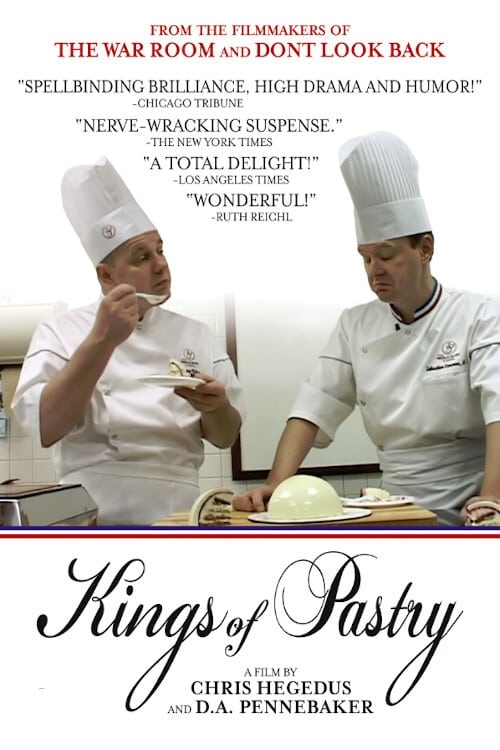
The collar awarded to the winners of the Meilleur Ouvrier de France (Best Craftsman in France) is more than the ultimate recognition for every pastry chef - it is a dream and an obsession. The 3-day competition includes everything from delicate chocolates to precarious six foot sugar sculptures and requires that the chefs have extraordinary skill, nerves of steel and luck. The film follows Jacquy Pfeiffer, founder of The French Pastry School in Chicago, as he returns to France to compete against 15 of France's leading pastry chefs. The filmmakers were given first time/exclusive access to this high-stakes drama of passion, sacrifice, disappointment and joy in the quest to have President Sarkozy declare them one of the best in France.