

Loading titles…
War / History / Drama
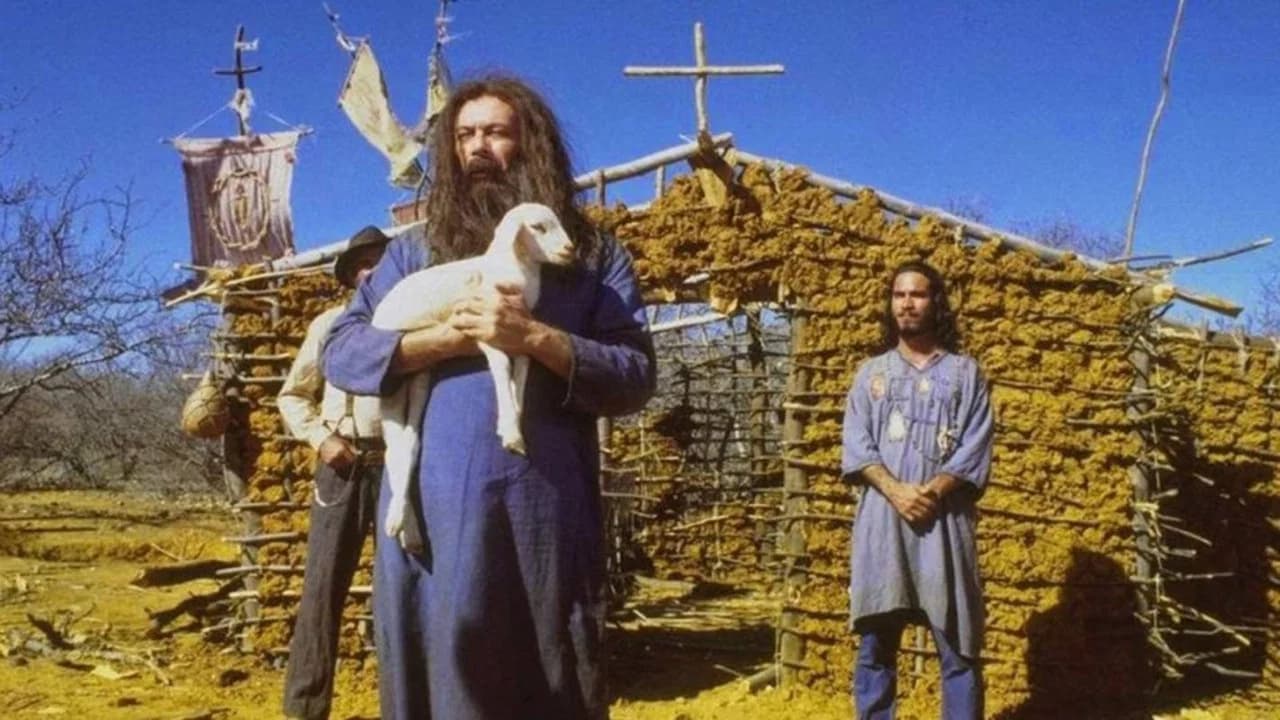
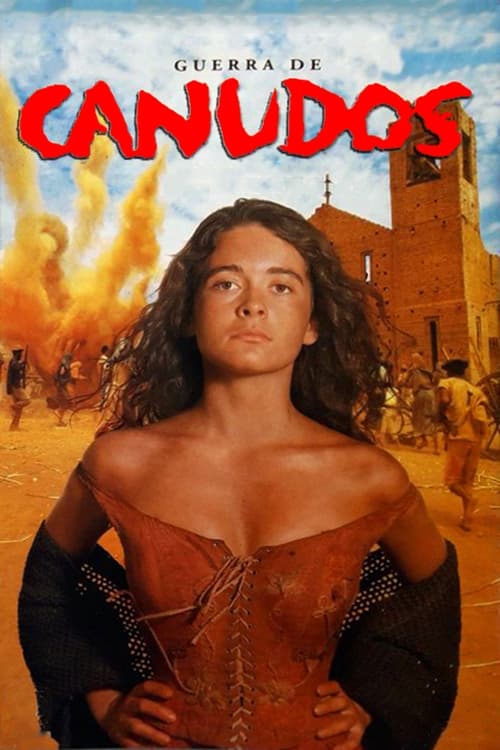
At the end of the 19th century, a poor family comes to the rural Canudos, a community led by Antônio Conselheiro, seen by many as a holy prophet. Their ways bother the powerful people of the region, and the newly founded Republic sends their army to destroy the settlement, which…

Luíza

Penha

Zé Lucena

Antônio Conselheiro

General Arthur Oscar de Andrade Guimarães

Tenente Luís da Gama
Cel. Antônio Moreira César

Pedro Martins
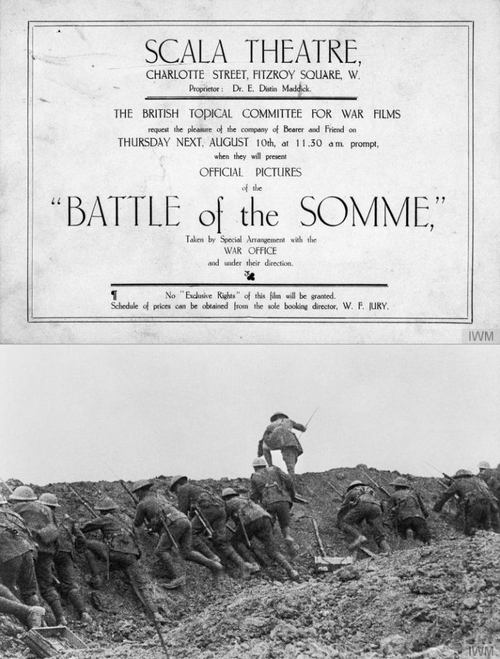


Using government documents, archive footage and direct interviews with activists and former FBI/CIA officers, All Power to the People documents the history of race relations and the Civil Rights Movement in the United States during the 1960s and 70s. Covering the history of slavery, civil-rights activists, political assassinations and exploring the methods used to divide and destroy key figures of movements by government forces, the film then contrasts into Reagan-Era events, privacy threats from new technologies and the failure of the “War on Drugs”, forming a comprehensive view of the goals, aspirations and ultimate demise of the Civil Rights Movement…
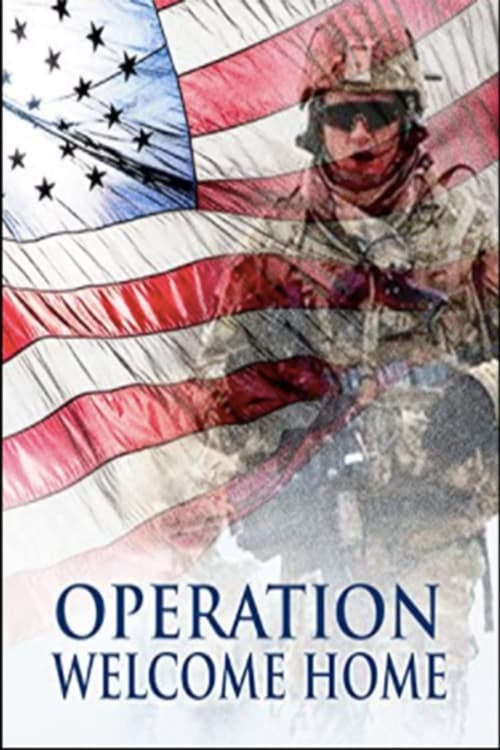
An original documentary, this film contains previously classified footage provided by the Defense Department. Included is an exclusive on-camera "host" appearance by General Colin Powell, actual archival and pictorial footage, interviews, narrative with celebrities and key military personnel and the returning home after Desert Storm.
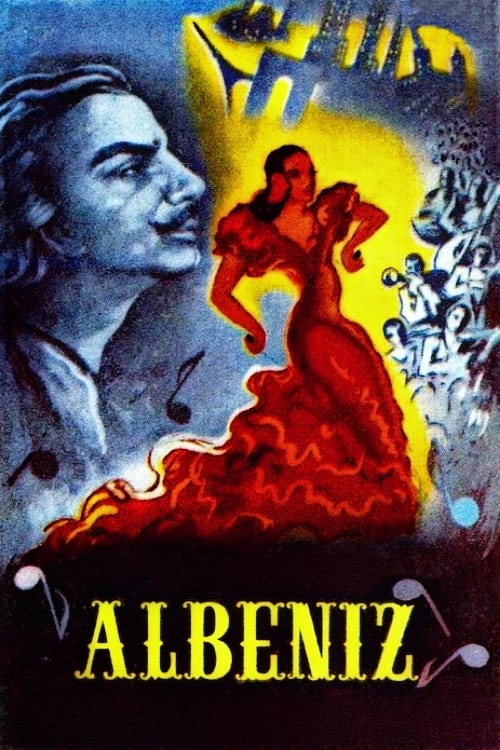
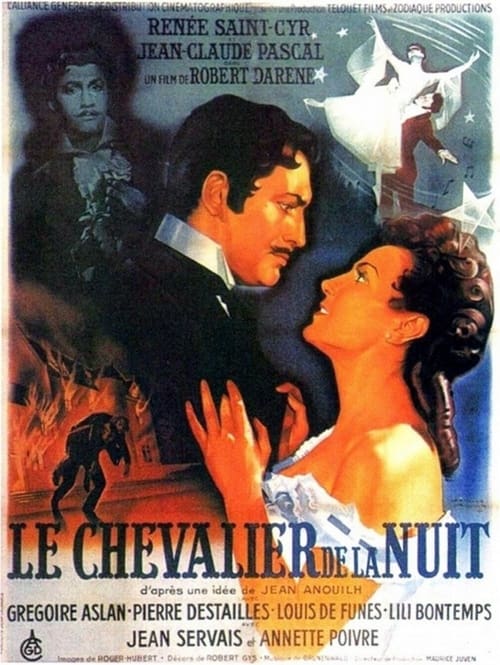
Paris, 1884. Bella Fontanges, a renowned ballerina, is married to Georges de Segar. But after just a few years together, the couple slowly sinks into weariness. Bella has forgotten what happiness used to taste like. Then a mysterious squire appears. Aware of the couple's faltering situation, he makes Bella and Georges a most astonishing proposal: he claims to be able to separate Good from Evil in Georges. Reluctant at first, the couple eventually agrees to play along. But it's not long before they realize that in Georges, it's Evil that has prevailed.
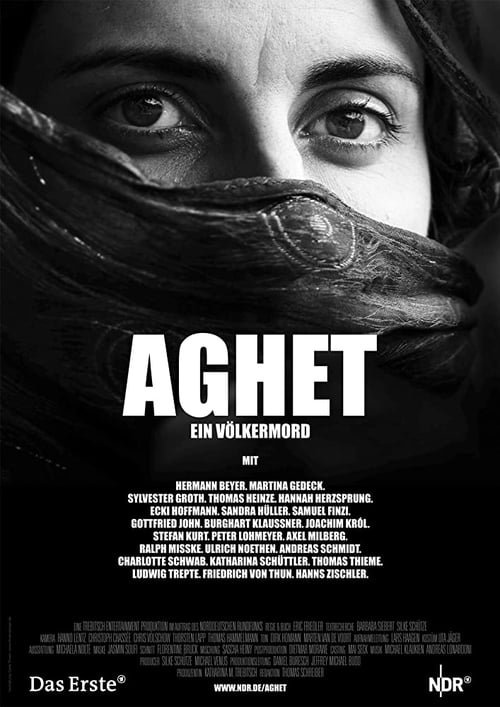
2010 documentary film on the Armenian Genocide by the Young Turk government of the Ottoman Empire during World War I. It is based on eyewitness reports by European and American personnel stationed in the Near East at the time, Armenian survivors and other contemporary witnesses which are recited by modern German actors.
The film Crustaceans treats itself like an impressionist picture or a Japanese Haiku. Crustaceans is a matter of reflection on an instance in life with the social-economical crisis as a landscape. The heartbreak in times of crisis. The film was filmed as demonstrations in the streets against crisis and social welfare cuts took place. For two years, it filmed street demonstrations and incorporated actors in the social landscape. The result, is a film in which the collective and the intimate come together. Both the characters and the people in the street, like identical crustaceans, take to the street to express their shame and rage for what is happening and try to find a solution. A time of anxiety, uncertainty and protest that conforms the landscape in which the characters, such as crustaceans hide their wounds under their hard shell is seen.
Arimateia

Tereza
Toinho
Pajeú