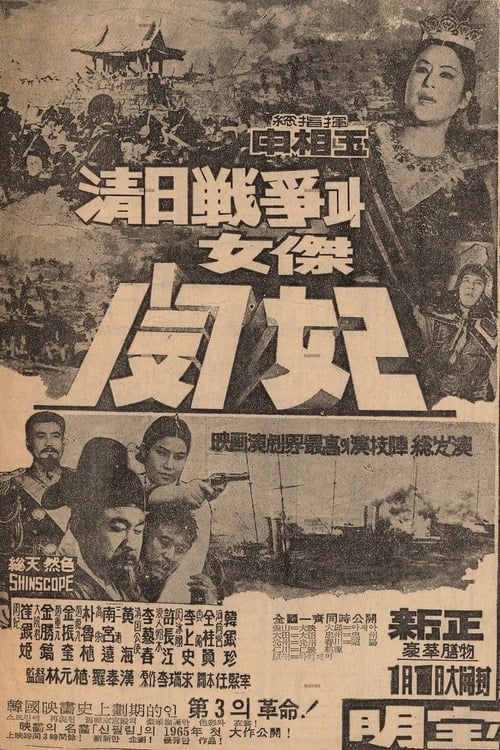

Kim Seung-ho
Emperor Gojong
At the end of the Joseon Dynasty, shortly after the Eulsa Treaty has been forced to be concluded by Ito Hirobumi and the pro-Japanese courtiers, Japan pressures King Gojong to step down from the throne. Meanwhile, An Jung-geun, who is cultivating men of ability at Samheung…
Emperor Gojong
Ahn Jung-geun
Lee Deungbakmun
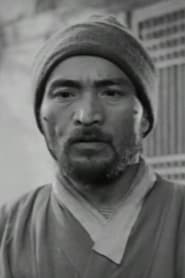
Gyu-seol Han (Minister of Suffrage)
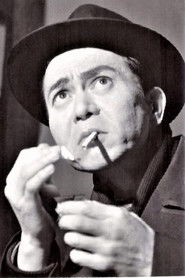
Wan-Yong Lee (Minister)
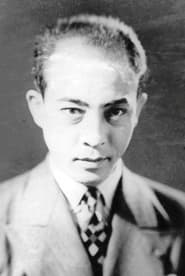
Ji-Yong Lee (Interior Minister)
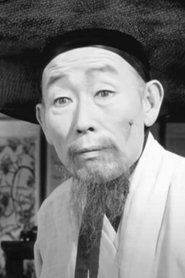
Lee Geun-taek (Military Minister)
Lee Ha-young (Minister of Justice)
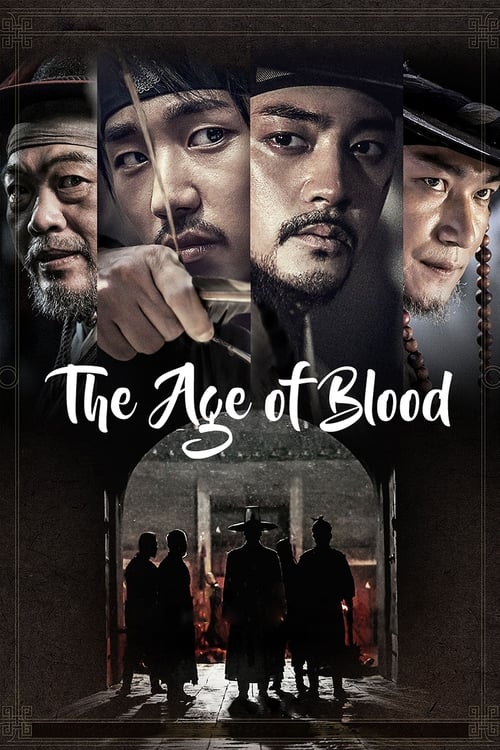
Ancient Korea, 1728. Swordsman Kim Ho, guard of King Yeong-jo of Joseon, is demoted and sent to work in Uigeumbu prison. When night falls, the prison is assaulted by the master warrior Do Man-cheol and his powerful henchmen for the purpose of freeing Lee In-jwa, who has been condemned to death for rising up in revolt against the king.


The Imjin War reaches its seventh year in December of 1598. Admiral Yi Sun-shin learns that the Wa invaders in Joseon are preparing for a swift withdrawal following the deathbed orders of their leader Toyotomi Hideyoshi. Determined to destroy the enemy once and for all, Admiral Yi leads an allied fleet of Joseon and Ming ships to mount a blockade and annihilate the Wa army. However, once Ming commander Chen Lin is bribed into lifting the blockade, Wa lord Shimazu Yoshihiro and his Satsuma army sail to the Wa army's rescue at Noryang Strait.
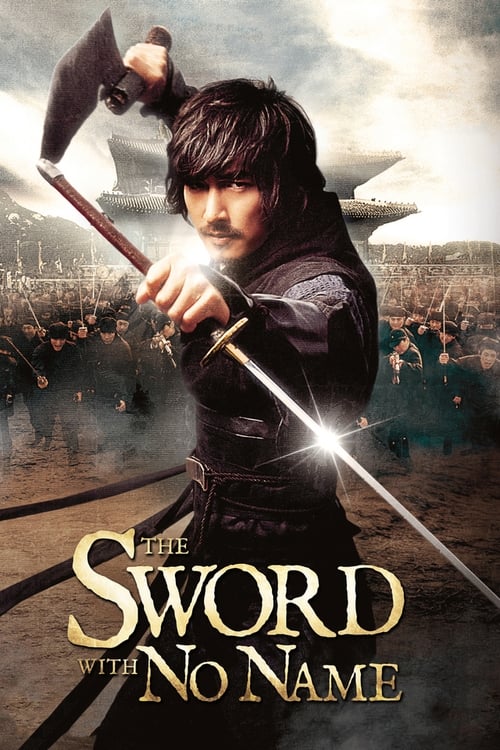
Mu Myeong is a Joseon dynasty headhunter who meets and falls in love with lady Ja Yeong who will become the future Empress Myseongseong. A few years later, Ja Yeong enters the royal palace to marry King Gojong. Mu Myeong still having feelings for Ja Yeong and in an attempt to get closer to her becomes her personal body guard.

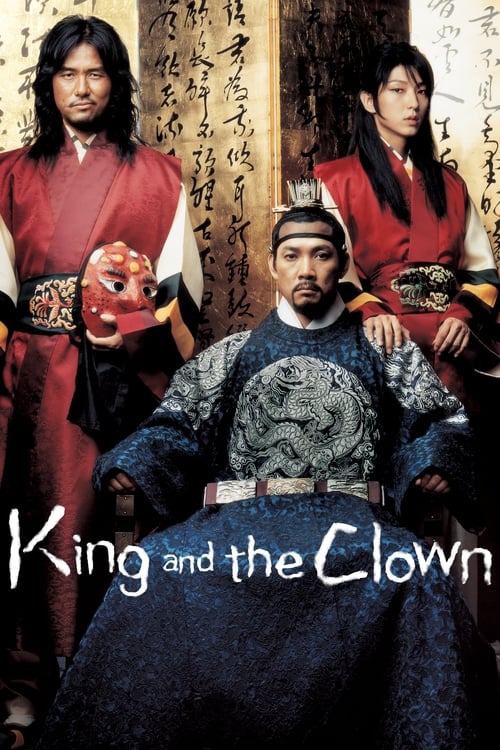

In 1909, the Korean Empire is on the verge of losing its sovereignty to Japan. Patriot Ahn Jung-geun and his comrades pledge their lives to the movement for Korea's liberation. Seol-hee, a court lady of the late Empress, also expresses her intent to join the independence movement. Ito Hirobumi, the first Japanese resident-general on the Korean Peninsula, heads to Harbin to pursue his dream of advancing into Asia. On Oct. 26, 1909, a shot rang out at Harbin Station. Beloved son, father of two children, and husband, Ahn Jung-geun, assassinated Ito Hirobumi. In court, Ahn claims not to be a terrorist, but a prisoner of war desperate to protect his beloved homeland, Korea. Who is the one guilty of a crime?

In 1896, Norimatsu hears from a man from Joseon that the Empress of Korea has been assassinated by the Japanese. Stricken with guilt as a Japanese, he defies all warnings and sets out for the land of Joseon, a nation engulfed in darkness. Years later, another Japanese man, inspired by Norimatsu’s spirit, follows the same path—to bring the gospel to a land still in desperate need of Jesus. This is the story of unnamed missionaries who left behind not fame, but the love of Christ.
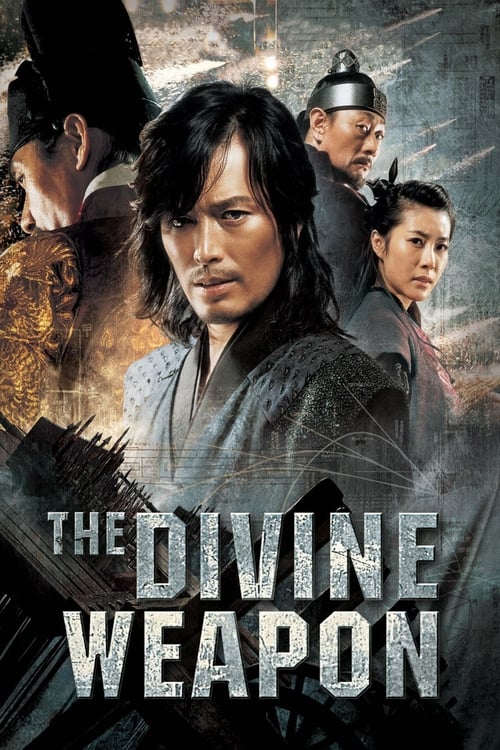
During the reign of King Sejong in the 15th century, the Joseon Dynasty was the embodiment of the perfect state. To the Ming China, the aspiring imperial power, Joseon presented an obstacle to territorial expansion. To protect themselves from war, King Sejong develops a secret weapon to defend their territory and take back their land and supremacy.

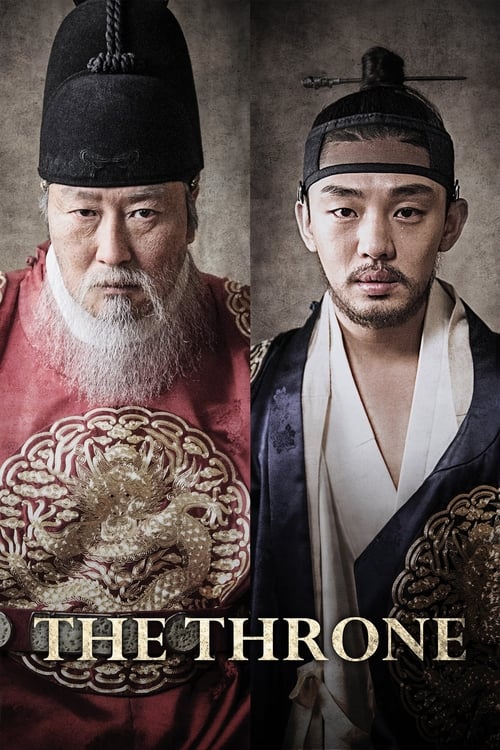
Ancient Korea, July 4, 1762. The Crown Prince Hyojang, posthumously named Sado, son of King Yeongjo of Joseon, is accused of treason. Thus, the king asks him to commit suicide, but his closest vassals prevent it, so the king orders the prince to get inside a wooden rice chest, where he suffers deprivation of food and water.
Park Je-soon (External Minister)
Youngki Min (Minister)
Kwon Joong-Hyun (Minister of Commerce and Industry)
Song Byung-jun