Loading titles…
Documentary
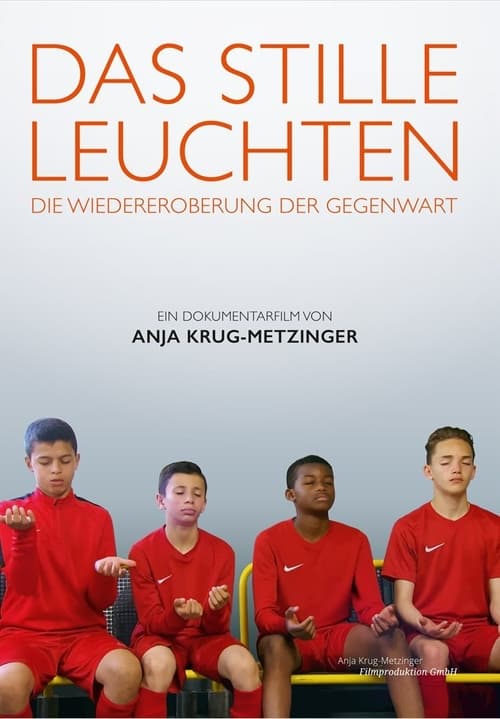
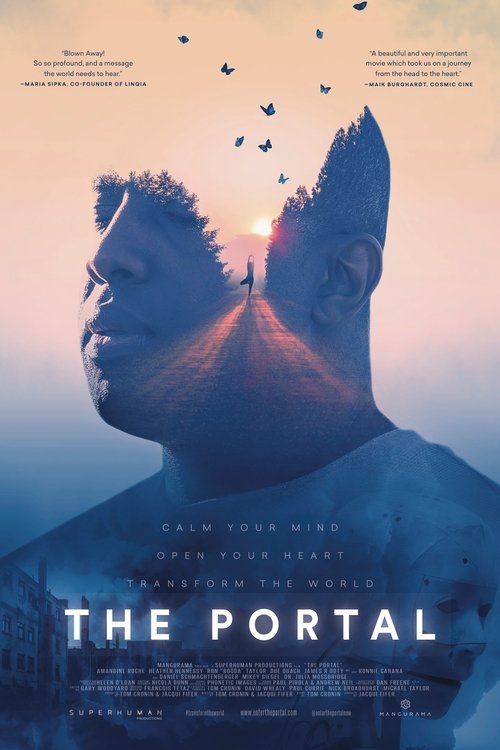
New forms of manipulation and the inundation of stimuli from new media pose a great risk to children’s mental health. Finally, society has started to respond. A secular culture of consciousness is arising: meditation and new forms of resilience and mindfulness training have…
Herself
Herself
Herself
Himself
Herself
Herself
Herself
Herself
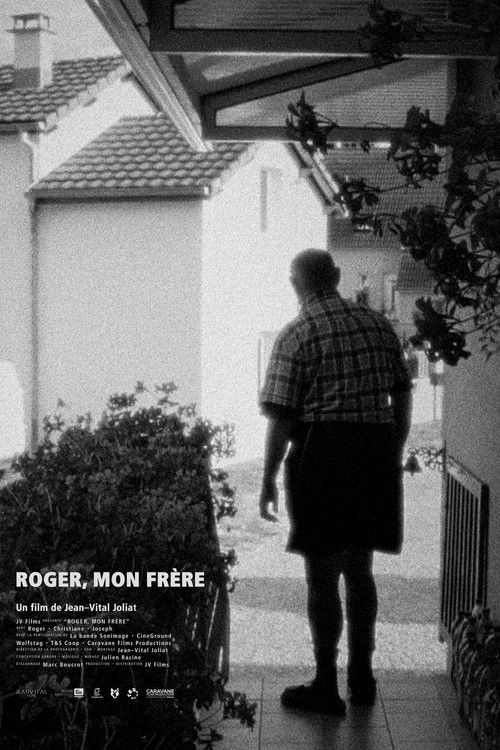
ROGER, MY BROTHER immerses us in the moving story of Christiane, who is devoted to caring for her brother Roger, who has Alzheimer's disease. Her tireless commitment allows Roger to avoid being placed in a nursing home despite the challenges. At the heart of this sibling relationship lies an unbreakable bond of love, demonstrating human resilience and the strength of family ties. This film celebrates the dignity, compassion, and determination that drive the bond between brother and sister, offering a profound reflection on love's ability to overcome the most insurmountable obstacles.
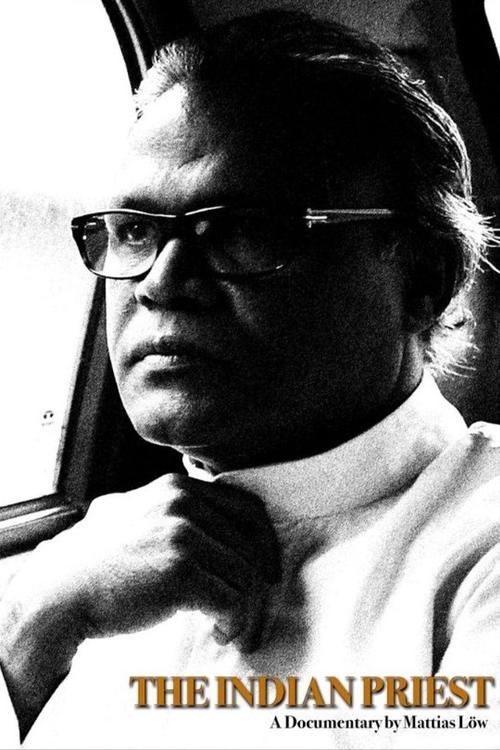

Samadhi Part 1 (Maya the Illusion of the Self) is the first installment in a series of films exploring Samadhi. Samadhi is an ancient Sanskrit word which points toward the mystical or transcendent union that is at the root of all spirituality and self inquiry. The saints, sages and awakened beings throughout history have all learned the wisdom of self surrender.
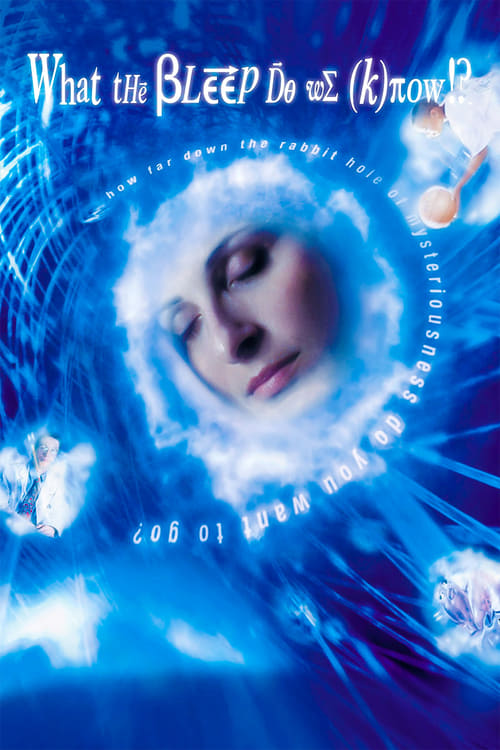
Amanda is a divorced woman who makes a living as a photographer. During the Fall of the year Amanda begins to see the world in new and different ways when she begins to question her role in life, her relationships with her career and men and what it all means. As the layers to her everyday experiences fall away insertions in the story with scientists, and philosophers and religious leaders impart information directly to an off-screen interviewer about academic issues, and Amanda begins to understand the basis to the quantum world beneath. During her epiphany as she considers the Great Questions raised by the host of inserted thinkers, she slowly comprehends the various inspirations and begins to see the world in a new way.
Most of us think of death as something clear-cut, and that medical science has it neatly figured out. This feature documentary explodes such assumptions through its exploration of a phenomenon that blurs life and death to an unprecedented degree. In what Tibetan Buddhists call tukdam, advanced meditators die in a consciously controlled manner. Though dead according to our biomedical standards, they often stay sitting upright in meditation; remarkably, their bodies remain fresh and lifelike, without signs of decay for days, sometimes weeks after clinical death. Following ground-breaking scientific research into tukdam and taking us into intimate death stories of Tibetan meditators, the film juxtaposes scientific and Tibetan perspectives as it tries to unravel the mystery of tukdam.
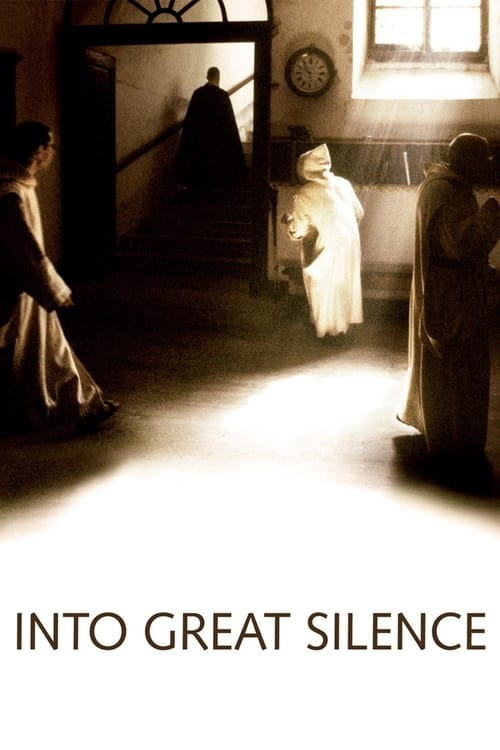
An intimate portrayal of the everyday lives of Carthusian monks of the Grande Chartreuse, high in the French Alps (Chartreuse Mountains). The idea for the film was proposed to the monks in 1984, but the Carthusians said they wanted time to think about it. The Carthusians finally contacted Gröning 16 years later to say they were now willing to permit Gröning to shoot the movie, if he was still interested.
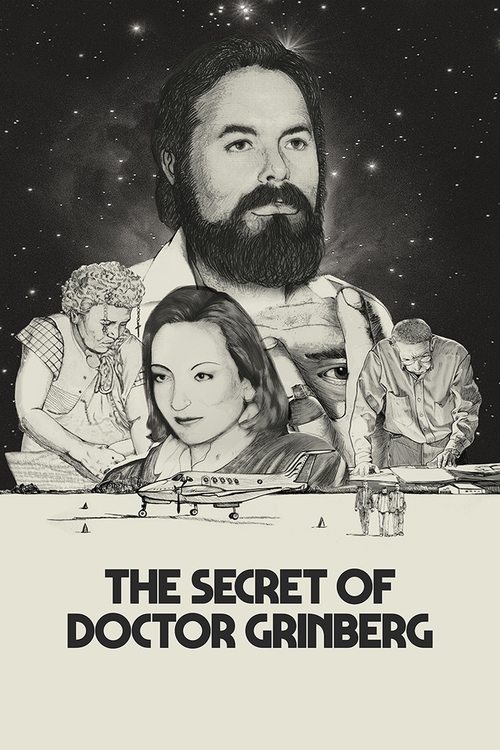
In the early nineties, Dr. Jacobo Grinberg’s career was blooming and he gained lots of international credit as a researcher in the fields of telepathy and neurophysiology at the Universidad Nacional Autonoma de Mexico. When Dr. Grinberg mysteriously disappears in 1994, the police find no trace of him. The only thing that is clear, is that all his research material, including his computers, disappeared along with him.