

Loading titles…
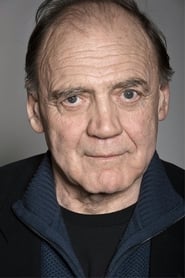
Faust
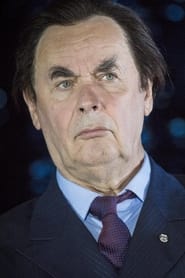
Mephistopheles
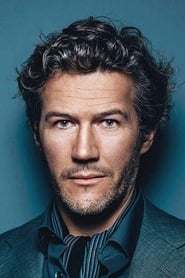
Junger Faust
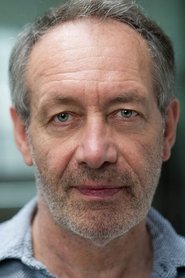
Mephistopheles
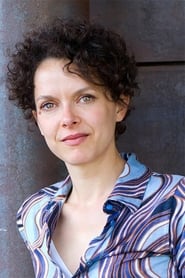
Gretchen
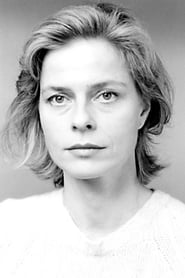
Helena
Marthe Schwerdtlein
Erzähler Zueignung
Cast
Cast
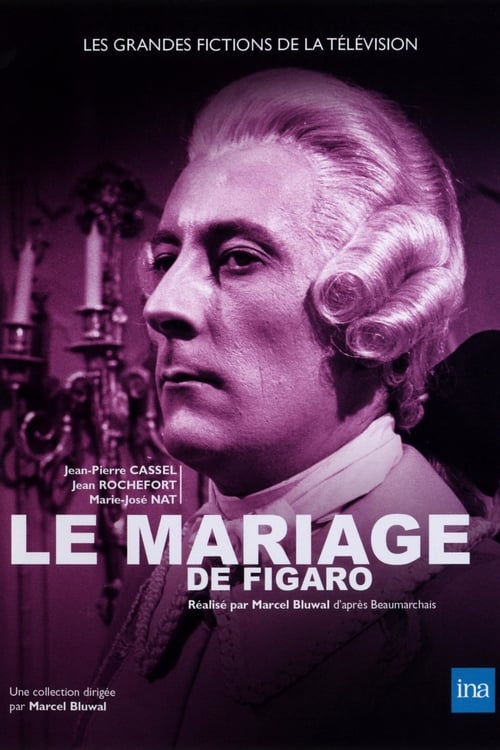
Comedy in five acts by Beaumarchais, filmed by Marcel Bluwal in studio and on location. The cast, in accordance with Marcel Bluwal's wishes, is in keeping with the age and character of the characters, to give it rhythm. At once "a comic baroque play, a bourgeois drama, a chansonnier's number, a social satire, a farce and a very pretty love story" according to Marcel Bluwal, it can also be summed up, according to Beaumarchais, as "the most bantering of intrigues".
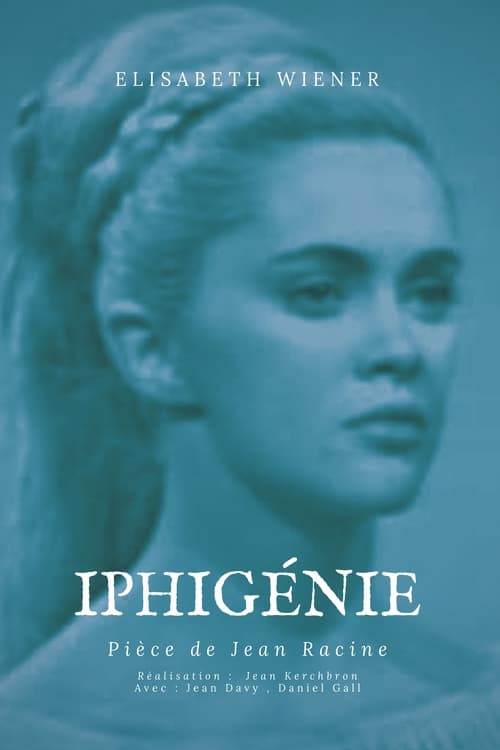
On the shores of Aulis, the Greeks prepare to attack Troy. But their ships are unable to set sail because the gods are holding back the winds necessary for departure. Agamemnon consults the oracle. The solution is tragic. To appease the goddess Artemis, whom he had offended, he must sacrifice his own daughter.
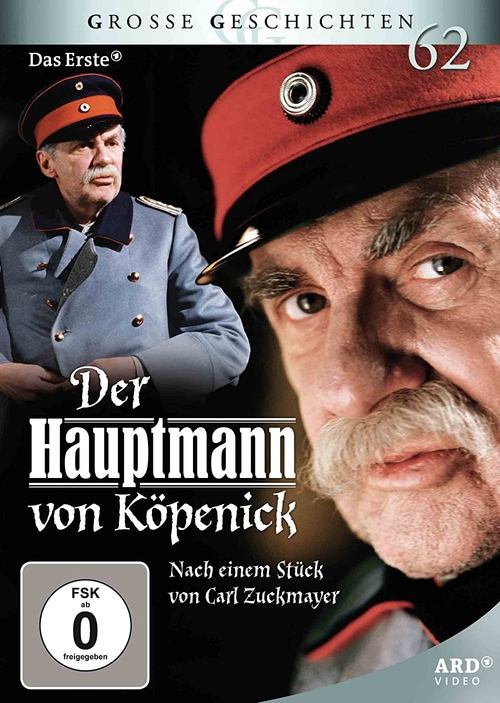
Each is dependent on the other. He breaks into the passport office to get a passport. He is surprised and ends up back in prison, where he is trained in military drill. After his release, he once again lodges with relatives, his sister and brother-in-law. Wearing a second-hand captain's uniform, he first takes over a guard unit and uses it to occupy Köpenick town hall, where all the employees of the town council submit to the supposed captain. The mayor is promoted to Berlin and Voigt presents himself to the authorities a few days later. At first, everyone present laughs at the prank, but then Voigt is made aware of the legal consequences. He is sent back to prison, but shortly afterwards he is pardoned by the Emperor.
Amol, a child, is confined to his adoptive uncle's home by an incurable disease. He stands in the courtyard and talks to passers-by and inquires about the places they go to. The construction of a new post office nearby prompts the imaginative Amol to fantasise about receiving a letter from the King or being his postman.
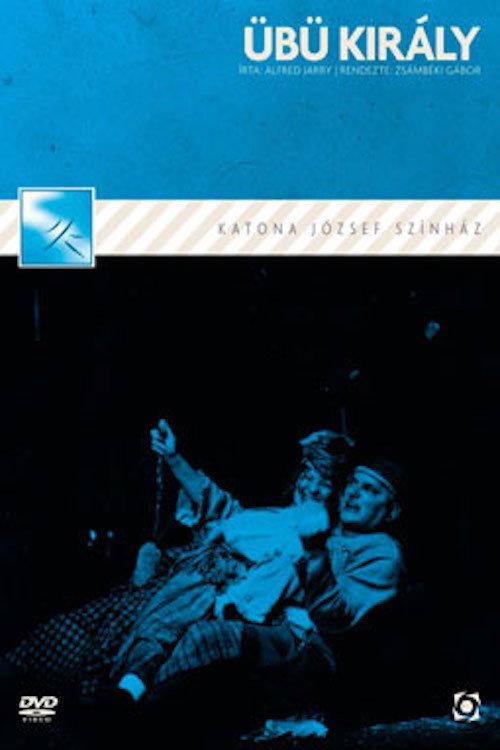
The Empty King created a mythical figure and a whole world from grotesque, archetypal images. The drama was originally conceived as a student tirade against a teacher at Jarry's school, the Lyceum of Rennes. This teacher, Hébert, was the target of public ridicule. In 1888, at the age of 15, Jarry wrote a puppet play about the exploits of the Woolly Tartar and staged it to the amusement of his friends. The figure of Übü is a crude, cruel caricature of the foolish, selfish bourgeoisie as seen through the unrelenting gaze of a schoolboy; but this Rabelaisian figure, in all his falstaffian greed and cowardice, is more than a mere social satire. It is a terrifying picture of man's animal nature, his evil and cruelty. The Katona József Theatre in Budapest premiered Jarry's play in 1984, and it ran continuously for more than 10 years.
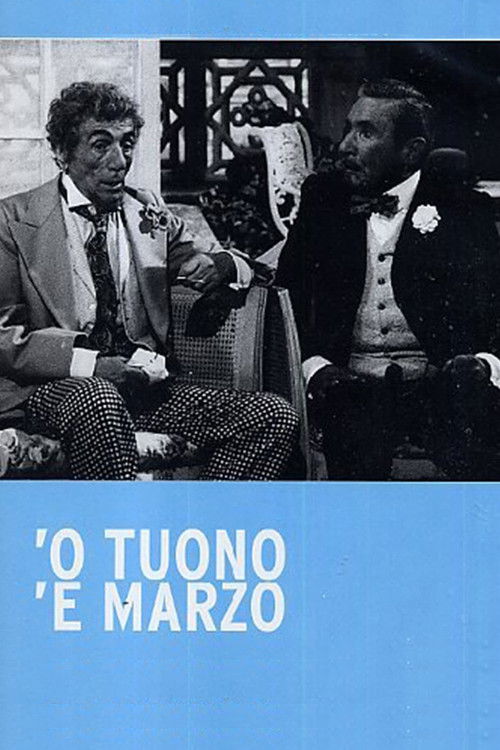
Sofia, Don Saverio's sister, confesses to her brother that she was the victim of a fateful event: while she accompanied her brother to Rome, while he was resting at a hotel, a terrible storm broke out during the night, accompanied by thunder and lightning. Frightened, she left her room to seek refuge in her brother's, when, after the lights went out, she accidentally entered a stranger's room in the darkness and fainted from fear of a violent clap of thunder. The unknown individual seized the opportunity and took advantage of her. From that turbulent encounter, Don Felice Sciosciammocca was born, Sofia's illegitimate son, now engaged to Marietta, Don Saverio's daughter.
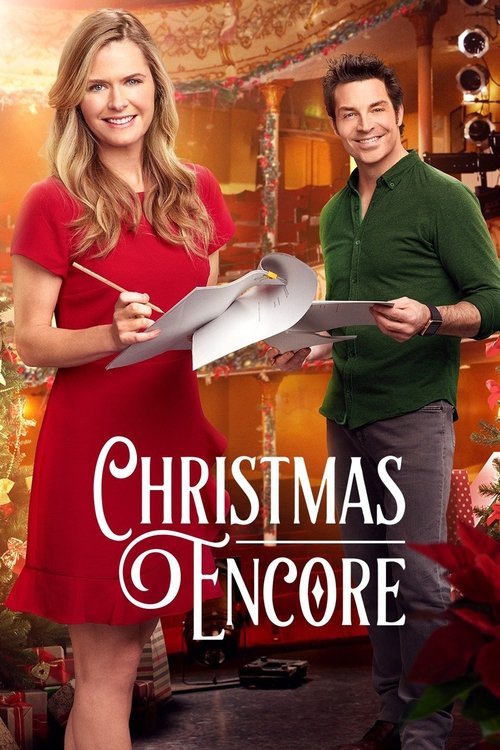
A struggling actress is cast in her last off (off) Broadway show - a modern take on “A Christmas Carol” - before giving up her dream and moving home. Instead, she finds romance with her director and a renewed passion for her craft and the city. But when the historic theater loses its lease and the show is set to fold, she and her cast mates are need of a Christmas miracle.
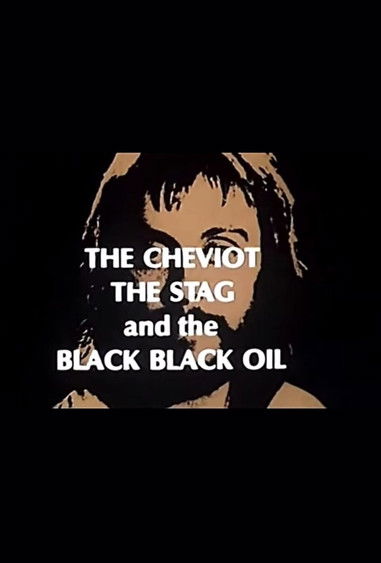
In their songs, comedy and exuberant music, a travelling theatre company give a fiercely polemic account of Scottish history, from the aftermath of Culloden to the oil boom. Their production before a live audience is intercut with filmed reconstructions of the Highland Clearances and the Victorian obsession with hunting stags.