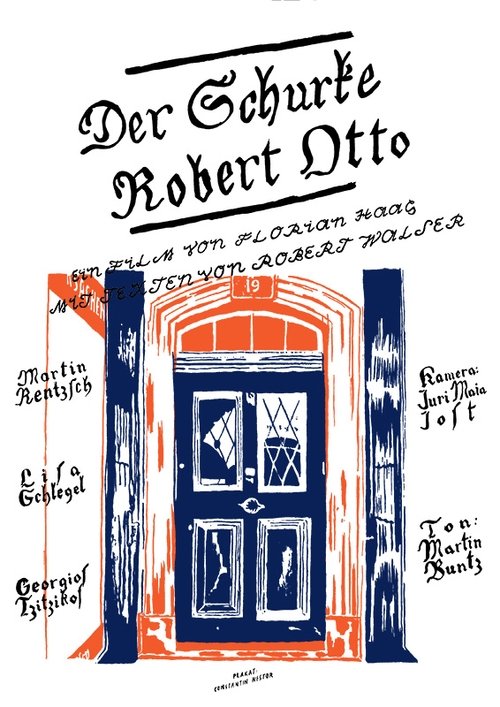
Martin Rentzsch
Martin Rentzsch
Robert Walser
Recorded readings of Swiss writer Robert Walser's late texts and micrographs join with documentary tableaux of his long array of residences, leaving behind a disembodied image.
Robert Walser
Tilla Durieux
Ernst Morgenthaler
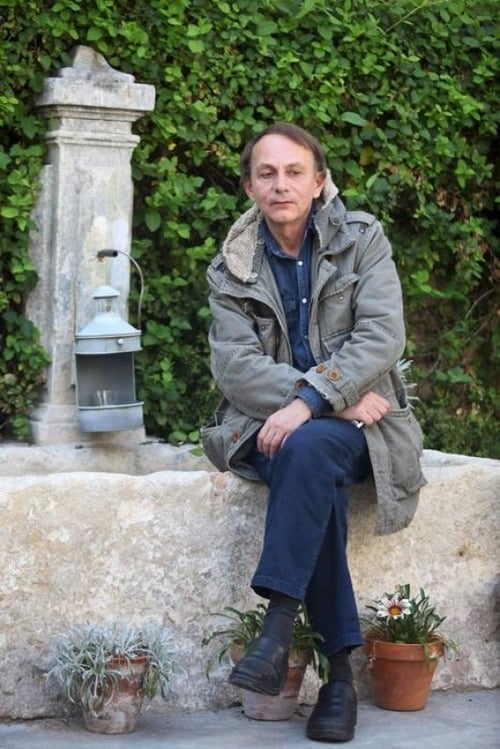
Poet, essayist, novelist and filmmaker, Michel Houellebecq has always had close ties with the cinema and the world of the visual arts, which have accompanied and extended his reflexions since the start of his career, as the frequent allusions to them in his novels attest. This portrait of Houellebecq is from his early days of bad boy provocateur stardom. Having just published Plateforme in french and enjoying the many translations of Les Particules élémentaires.
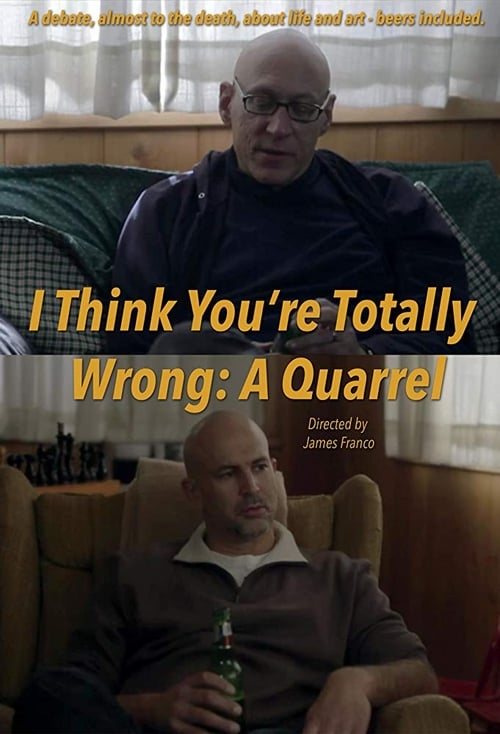
On the first day of shooting, James Franco, David Shields, and Caleb Powell throw out the script when a real-life argument breaks out between the three of them about what can and can't be used in the film. Shields and Franco browbeat Powell to sacrifice everything for the sake of the film; Powell threatens to leave; Shields feels guilty about betraying Powell; and Franco wants Shields and Powell to confess all for the sake of the film. A debate, nearly to the death, about life and art.

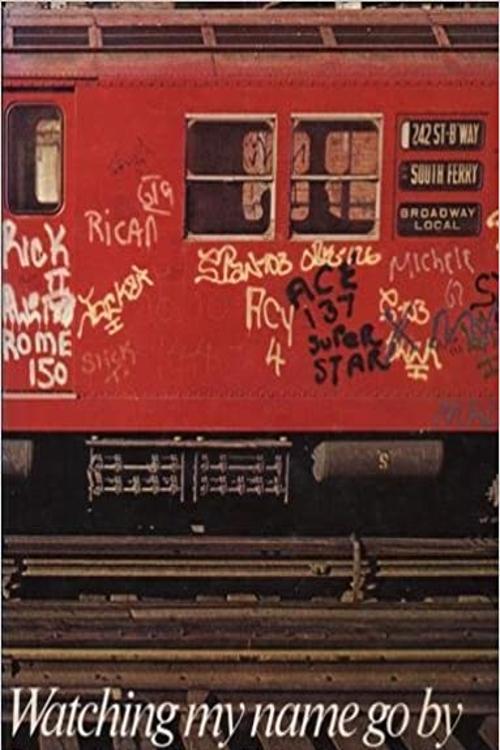
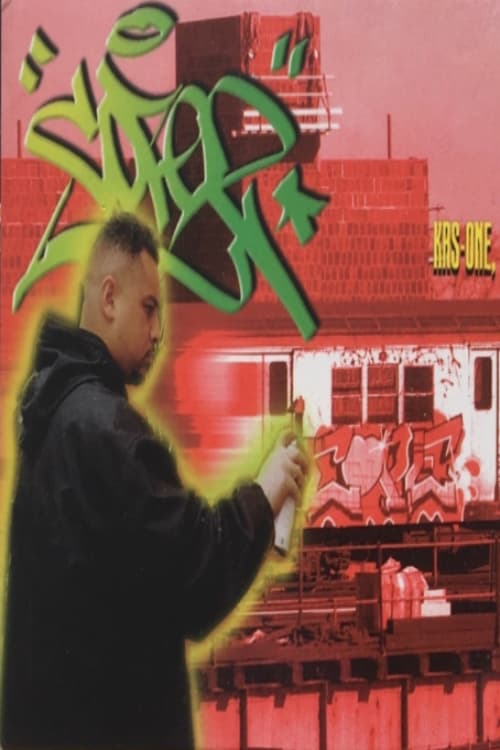
Watching My Name Go By is a 1976 BBC documentary on the birth of graffiti in New York City, and the fight to both prevent it, and expand it's artistic value. In 'Watching my name go by' kids in New York have a unique kind of occupation - sitting on the subway stations ' watching my name go by'. Eleven to 17-year olds compete to see how many times they can 'get their names up ' in a colorful way - a kind of graffiti cult game which has its own rules and regulations. It's illegal and dangerous-some New Yorkers think it's a kind of ' art others think it's disgusting.
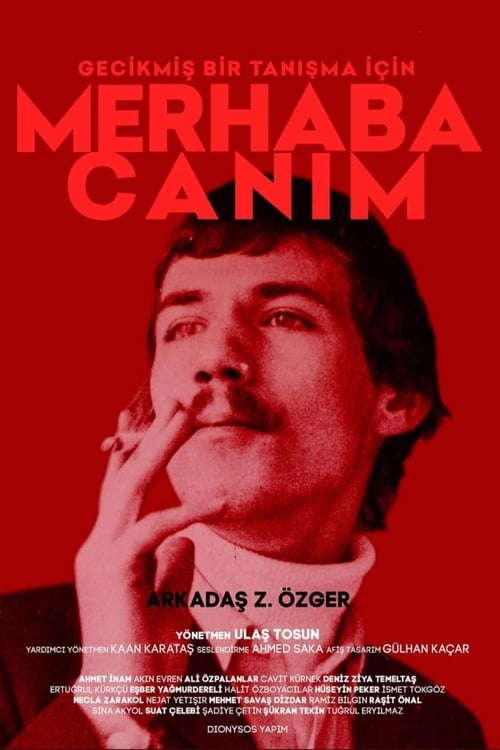
The documentary is titled after Arkadaş Z. Özger’s poem “Hello My Dear” which had caused much controversy in the period it was first published. Considered to be in defiance of heteronormativity, the said poem includes references to the poet’s personality, his family, his relationship to the society, and his “unexpected” death, which came three years after its publication. Today, 50 years after it was written, the documentary follows these same lines in the poem utilising cinematic elements. The documentary also rediscovers the poetics; reaches out to the family, the comrades, the friendships, departing from the official historical accounts, cognizant of his experience of otherness, in pursuit of the “lost” portrait of Arkadaş Z. Özger.