
Jim Broadbent
Lewis Silkin MP
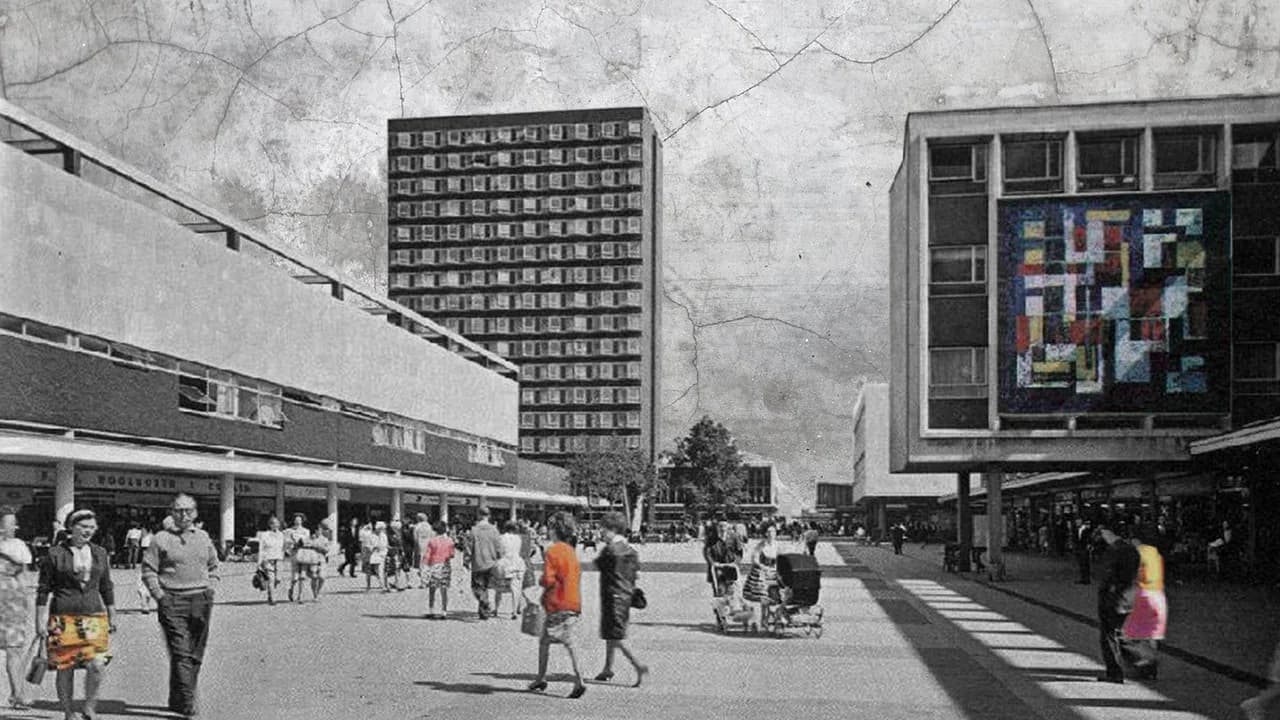
What happened when we built Utopia? New Town Utopia is feature documentary about the power of art, architecture, the state of the nation – and some rather angry puppets.
Lewis Silkin MP

Himself
Himself
The award winner Japanese architect Toyo Ito designed the International Baroque Museum in Puebla, Mexico. He is well known for his majestic buildings in Europe and Asia that rise with nature inspired geometry and complex shapes that could belong in a fantasy. Nobody knew how to build this project until a team of Mexican constructors accepted the challenge after two years of nobody stepping up to it. But there was a catch. They only had 27 weeks to build something comparable to the Guggenheim in NYC. This is the story of that team who tested the Mexican genius to solve a complex puzzle told by the men and women who made it. On time. On a budget. Against all odds.
The film follows an architecture graduate as she reflects on the meaning of home and the labor of making home. Architecture is framed beyond the physical built object: as a second skin that stretches and reconfigures itself as she, too, stretches to be in a new place. The film moves through themes of migration, womanhood, and what it means to be an architect without building, still making architecture constantly, just through different forms.

In the aftermath of the fire that struck Notre-Dame de Paris in 2019, the cathedral is in danger of collapsing. A race against time begins for a hundred men and women who will face danger, the unknown, and toxic lead dust for a year to save this world heritage site. Architects, stonemasons, carpenters, crane operators, scaffolders, rope access technicians, archaeologists: this unique project brings together rare skills. With rare enthusiasm and cohesion, they will achieve numerous technical and human feats. This film recounts the spectacular and moving adventure of these builders fighting to save Notre Dame.

Across two countries, France and Algeria, and five cities, Mohamed Gholam takes us south to tell us about the earthen and vernacular-inspired architecture of André Ravéreau. Passing through Lyon, Marseille, Algiers, and Djelfa, this adventure will take us to Ghardaïa, in the Algerian desert. The documentary presents the following buildings: L'Orangerie in Lyon, the Village Terre de l'Isle-d'Abeau in Villefontaine, the Unité d'Habitat or Cité Radieuse in Marseille, L'Aérohabitat in Algiers, the Palais des Raïs or Bastion 23 in Algiers, the Hôtel des Postes in Ghardaïa, and the low-cost housing of Sidi Abbaz de Bounoura.
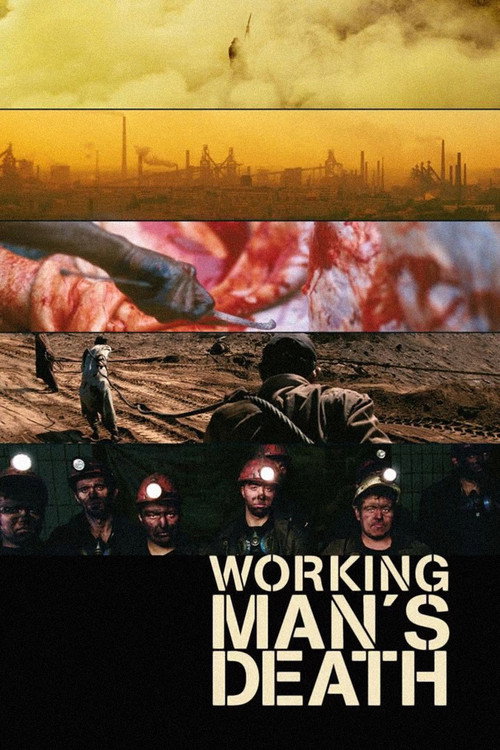
Is heavy manual labour disappearing or is it just becoming invisible? Where can we still find it in the 21st century? Workingman's Death follows the trail of the HEROES in the illegal mines of the Ukraine, sniffs out GHOST among the sulphur workers in Indonesia, finds itself face to face with LIONS at a slaughterhouse in Nigeria, mingles with BROTHERS as they cut a huge oil tanker into pieces in Pakistan, and joins Chinese steel workers in hoping for a glorious FUTURE.
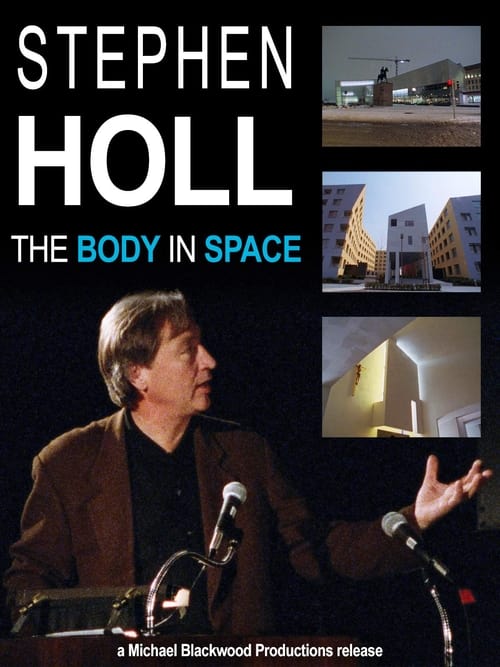
"Steven Holl: The Body in Space" explores the career of the innovative, highly renowned American architect. In this portrait Holl presents some of his most acclaimed works, including the Makuhari Housing Complex in Chiba, Japan and the Chapel of St. Ignatius in Seattle. Centered around the completion of Holl's Museum of Contemporary Art in Helsinki, the film observes his process and reasoning throughout the duration of the project


An award-winning wordless documentary that explores the architecture of the then new St. Peter's Seminary which is now seen as one of the most important post-war buildings in the United Kingdom. The film was made in celebration after architect Jack Coia was awarded the RIBA Gold Medal in 1969. Winner of the Medalla de Bronce at the Fifth Union of International Architects Festival in Madrid (1975).
Mothers, architects, artists, shoppers and other women who live and work in Birmingham explore the contradictions of the city, its promises, frustrations and disappointments, and suggest that listening to the experiences of women may hold the answer to the impoverished 'concrete jungle' so familiar today.