Loading titles…
No cast information available.
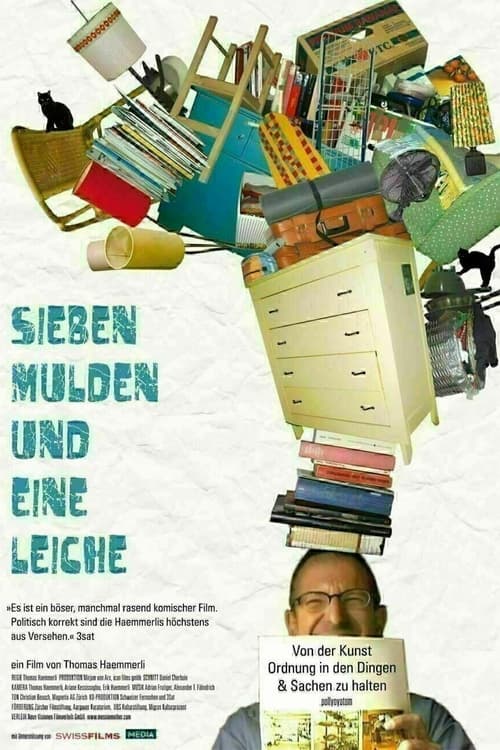
Thomas Haemmerli is about to celebrate his fortieth birthday when he learns of his mother's death. A further shock follows when he and his brother Erik discover her apartment, which is filthy and full to bursting with junk. It takes the brothers an entire month to clean out the place. Among the chaos, they find films going back to the 1930s, photos and other memorabilia.
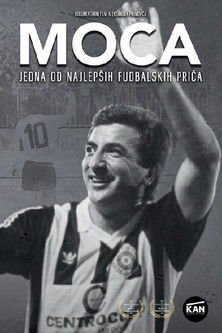
A documentary film about the life and career of Momcilo Vukotic, one of the most significant footballers of Partizan and Yugoslav football. The film follows his sports career through interviews with former teammates, rivals and family, as well as his interests outside football, including painting and theater. Momcilo Moca Vukotic, won three Yugoslav championship titles as a player in 1976,1978 and 1983. As a sports-director, he won two tittles in 1986 and 1987. With the team from Humska street, he played 791 games in total, from 1968 till 1985. As a coach, he won Yugoslavia cup and Supercup in 1989. The film won awards for the best feature-length documentary film at the 14th International Sports Film Festival in Zlatibor as well as at the 3rd Budva Sports and Arts Film Festival.
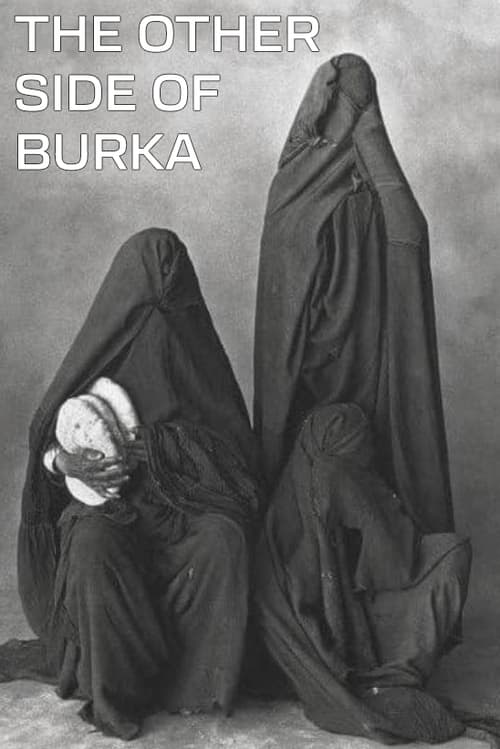
The Other Side of Burka is a 2004 Iranian documentary directed by Mehrdad Oskouei. In the southern island of Qeshm, Iran, which is a very strict region in point of tradition and African-Arabic rules, all women are under the pressure of patriarch society. Their sufferance is manifested by different mental (Zar, Possession) and physical diseases which must be only treated by Zar Ceremony. For the first time, despite the danger these women face, this film tells us the sad story of their life and shows their confection in front of the camera. It tries to be an honest mirror which reflects their sufferance and unveils their Burka to reveal their real characters.
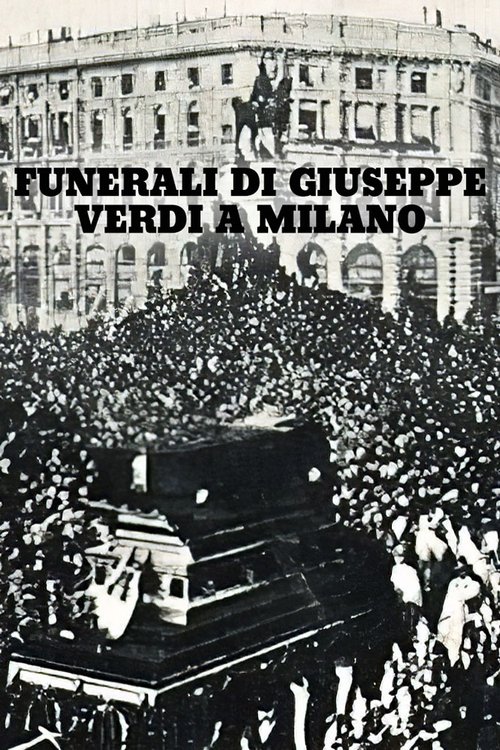
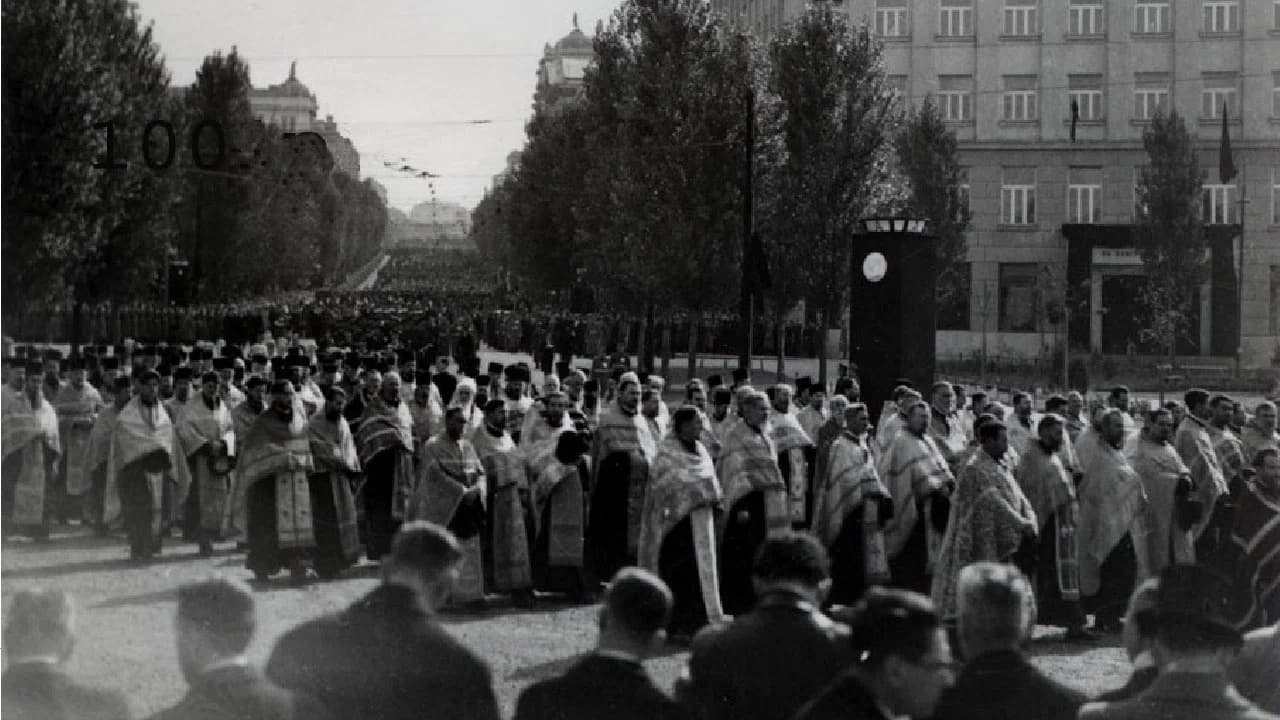
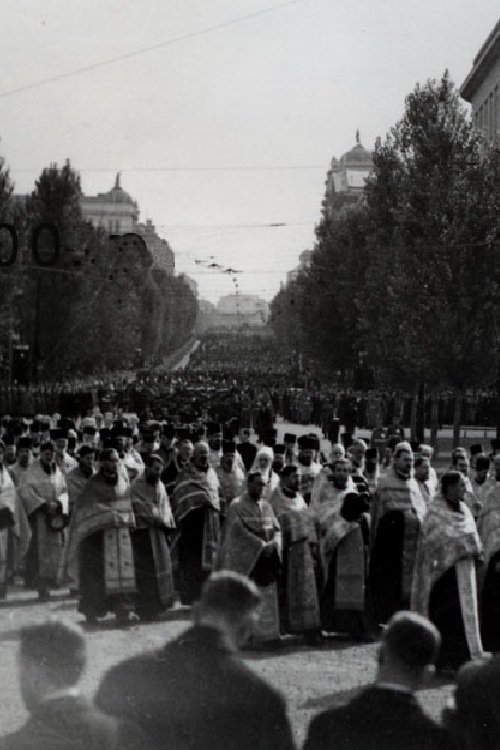
On 28 January 1901 the great musician Giuseppe Verdi died from the consequences of a stroke that had struck him six days earlier. These very rare images, captured in Milan on 27 February 1901 by the operator and pioneer of Milanese cinema Italo Pacchioni, document the transfer of the Maestro's body from the Monumental Cemetery of Milan to the famous retirement home for musicians which he himself founded.