
Agnieszka Smoczyńska
Self
A documentary on the making of "The Lure" (2015).
Self

Self

Self

Self
Self
Self
Self
Self
Self
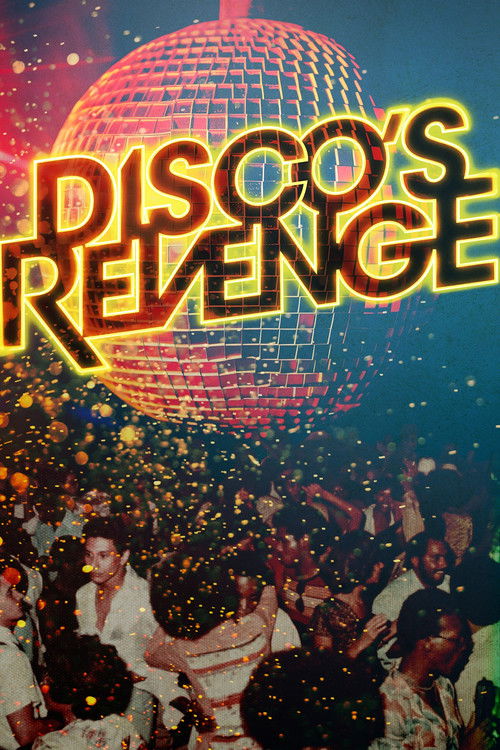
Born underground, on the heels of the Civil Rights Movement and the Stonewall Riots, disco’s nascent popularity saw the spectacular takeover of the dancefloor, the airwaves and burgeoning fashion trends that reflected the joy and freedom inherent to the genre. Co-opted and exploited through references like John Travolta’s strut and shiny Swedish tracksuits, disco eventually reaches the mainstream, losing its original flair and purpose rooted in radical politics and social change.

Hello, my name is Miho Nakayama. Thank you very much for participating in the Famicom event "Nakayama Miho no Tokimeki High School." And congratulations on winning a prize! I send you an autographed videotape. Please be careful with it. I will remember the drama (game) we starred together in forever as a precious memory, and I’m going to do my best in songs and dramas in the future. I’ll be happy if you also remembered this as a precious memory. And please watch over me from now on forever. Well then, I’m looking forward to the day we’ll meet again. For those who beat Nakayama Miho no Tokimeki High School and registered their "Best Ending" victory via the Disk Fax network, this tape was given out as a special prize to 8000 winners. This tape showcases behind the scenes footage of Nakayama Miho and her involvement in the game.

On an overcast morning in 1999, William Gibson, father of cyberpunk and author of the cult-classic novel Neuromancer, stepped into a limousine and set off on a road trip around North America. The limo was rigged with digital cameras, a computer, a television, a stereo, and a cell phone. Generated entirely by this four-wheeled media machine, No Maps for These Territories is both an account of Gibson’s life and work and a commentary on the world outside the car windows. Here, the man who coined the word "cyberspace" offers a unique perspective on Western culture at the edge of the new millennium, and in the throes of convulsive, tech-driven change.
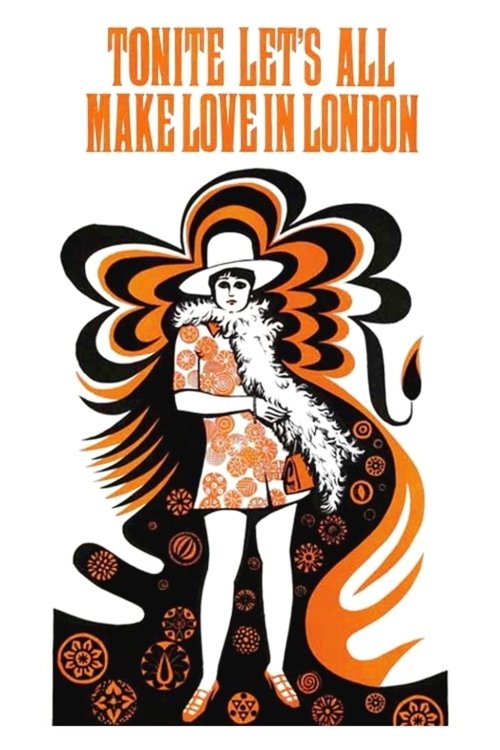
Peter Whitehead’s disjointed Swinging London documentary, subtitled “A Pop Concerto,” comprises a number of different “movements,” each depicting a different theme underscored by music: A early version of Pink Floyd’s “Interstellar Overdrive” plays behind some arty nightclub scenes, while Chris Farlowe’s rendition of the Rolling Stones’ “Out of Time” accompanies a young woman’s description of London nightlife and the vacuousness of her own existence. In another segment, the Marquess of Kensington (Robert Wace) croons the nostalgic “Changing of the Guard” to shots of Buckingham Palace’s changing of the guard, and recording act Vashti are seen at work in the studio. Sandwiched between are clips of Mick Jagger (discussing revolution), Andrew Loog Oldham (discussing his future) – and Julie Christie, Michael Caine, Lee Marvin, and novelist Edna O’Brien (each discussing sex). The best part is footage of the riot that interrupted the Stones’ 1966 Royal Albert Hall concert.
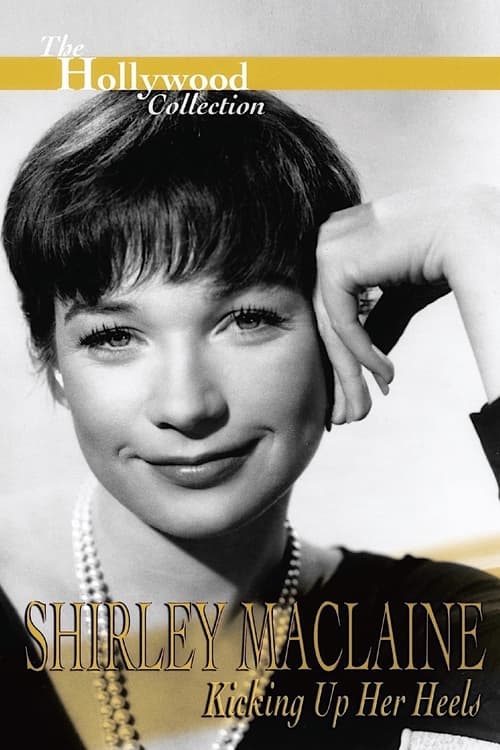
Shirley MacLaine was the product of a strict middle-class background from which she and her brother, the future actor Warren Beatty, escaped into the fantasy world of show-biz. Her ballet training and her long-legged pixie charm led to rapid success on Broadway in musical comedy. Inevitably, Hollywood called and by 1955 Shirley was cast in Hitchcock's "The Trouble With Harry." It wasn't too long before the fine dramatic roles also came to her opposite the most popular leading men of the time, like Fred MacMurray, Jack Lemmon, Frank Sinatra, Clint Eastwood and Robert Mitchum.
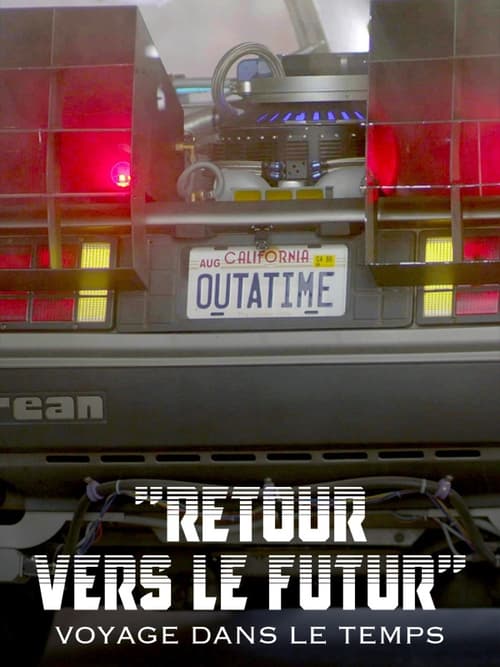
The script of "Back to the Future" was one of the most refused of Hollywood: more than forty times. No producer believed in this project of Robert Zemeckis and Bob Gale. Steven Spielberg imposed the film on Universal Studios, with Gale signing the script and Zemeckis directing. The director of "Jaws" will not regret it. In 1985, "Back to the Future" pulverized the box office and became a worldwide success, reinforced by two sequels in 1989 and 1990. Decade after decade, the popularity of this trilogy does not falter. Why this longevity while so many blockbusters sink into oblivion?
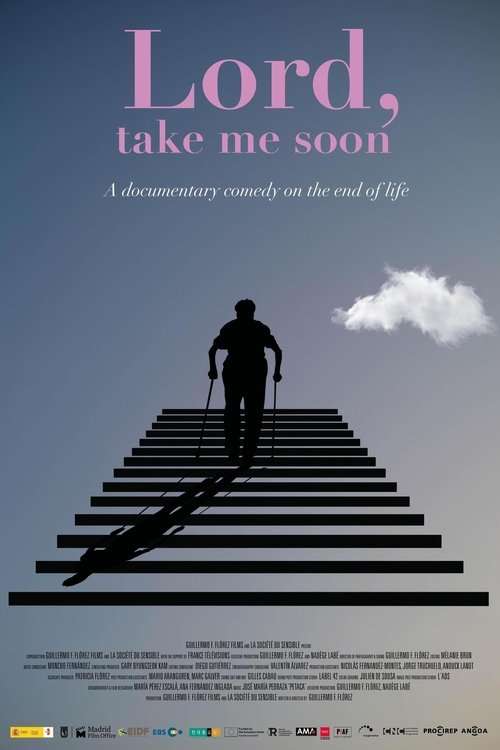
Carmen's life has been a quixotic comedy; surviving the war, becoming a nun, getting divorced in a conservative society, and having numerous lovers, always defying the rules. Now, at 86, she is planning her suicide. The film follows her final days, exploring her bond with her adopted son, as well as her journey to face death on her own terms.